76° and Overcast
Image



ANOKA COUNTY, MN (October 12, 2026).
Rising diesel prices are adding another financial burden to Minnesota school districts, forcing administrators to confront transportation expenses at a time when many schools are already dealing with budget deficits, staffing pressures and other operating costs.
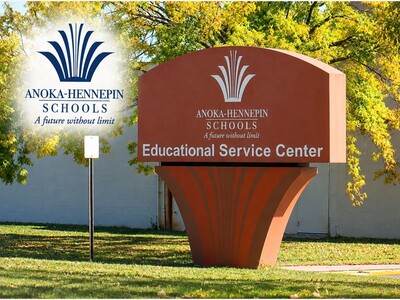
Anoka-Hennepin School District expects to spend approximately $500,000 more on transportation this year if elevated fuel prices persist, according to information provided by district spokesperson Jim Skelly to Axios Twin Cities.
The estimate highlights the vulnerability of school transportation budgets to fuel-market changes.
School buses must operate on established schedules, often across extensive geographic areas. Unlike some other public expenditures, transportation costs cannot easily be postponed without affecting students and families.
For Anoka-Hennepin, the challenge involves both fuel expenses and the ongoing cost of maintaining an adequate workforce of bus drivers.
Skelly told Axios that wage increases have helped the district secure enough drivers, but staffing costs are expected to remain a continuing challenge.
The additional $500,000 is a projection rather than a final audited expense. Its eventual impact will depend on fuel prices and transportation operations throughout the school year.
Other Minnesota districts are already making adjustments.
Hopkins and Stillwater have consolidated or reduced bus routes as they seek to control transportation spending.
Those changes can affect families by requiring students to travel farther to bus stops, altering pickup times or increasing the time children spend traveling between home and school.
For parents and guardians, transportation changes may also complicate work schedules and childcare arrangements.
Saint Paul Public Schools has experienced a smaller but measurable increase in fuel expenses. District spokesperson Ryan Stanzel told Axios that fuel costs were approximately $28,000 higher than a year earlier.
The variation among districts illustrates how transportation expenses depend on fleet size, geographic coverage, contracts, staffing arrangements and the distances buses must travel.
Rural school districts face particular challenges because their transportation networks often cover large areas with fewer opportunities to consolidate routes without significantly increasing travel distances.
The financial strain extends beyond diesel prices.
Minnesota school districts are also contending with declining enrollment in some communities, higher wages needed to recruit and retain employees, costs associated with state employment requirements and persistent gaps in federal special education funding.
Scott Croonquist, executive director of the Association of Metropolitan School Districts, told Axios that the recent fuel-price increase is worsening existing budget pressures.
Another challenge may emerge next year when temporary state funding intended to offset newly required unemployment benefits for school bus drivers and other hourly school employees expires.
That prospect raises questions about how districts will finance transportation without reducing other educational services.
For families in Anoka-Hennepin, several issues remain unresolved.
Will the district absorb the projected $500,000 increase within its existing budget? Could transportation routes change? Will additional costs affect classroom spending or other services? And what protections will be available for students who depend on district transportation?
The available reporting does not establish that Anoka-Hennepin has decided to reduce bus service because of the projected fuel increase.
It would therefore be premature to suggest that route cuts have been approved.
The broader concern is that transportation costs are rising while districts have limited flexibility to reduce the services students need.
As Minnesota school systems prepare future budgets, transportation is becoming an increasingly important part of the discussion about the cost of providing public education.

Local stories matter. Subscribe free to MinneapoliMedia and receive independent news, community reporting and important updates from Minneapolis, the North Metro and communities across Minnesota.
SUBSCRIBE FREE: https://minneapolimedia.town.news/subscribe
MinneapoliMedia | Community. Culture. Civic Life

Overcast, with a high of 78 and low of 54 degrees. Overcast in the morning, sunny in the afternoon, overcast in the evening,