47° and Light drizzle
MINNEAPOLIMEDIA NEWS | Minnesota Faces Major Decision Over Up to $307 Million in Meta Settlement Funds Intended to Address Harm to Children



Minnesota could receive between $214 million and $307 million from a national settlement with Meta, but lawmakers must decide how the money will be used.
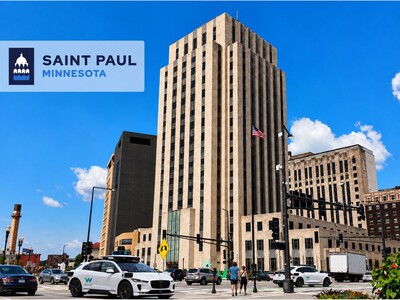
SAINT PAUL, MN (October 16, 2026). Minnesota is preparing for a consequential debate over how to spend hundreds of millions of dollars associated with a national settlement involving Meta, the parent company of Facebook and Instagram.
Attorney General Keith Ellison announced the agreement in August as part of a multistate effort to address allegations that social media platforms were designed in ways that harmed children and teenagers.
Minnesota is expected to receive at least $214 million and potentially as much as $307 million under the broader settlement structure. The national agreement could total approximately $17.1 billion, depending on additional conditions.
Now, attention is turning from the legal settlement itself to a practical question: how much of Minnesota's share will directly benefit the young people and families whose welfare was central to the litigation?
What the Settlement Addresses
The agreement responds to claims brought by states and territories that Meta knowingly deployed features that encouraged excessive use among young people while failing to adequately protect them from associated harms.
Meta has agreed to a series of changes affecting teenage users of Instagram and Facebook.
According to the Minnesota Attorney General's Office, those measures include daily usage limits, interruptions designed to discourage prolonged scrolling, restrictions on nighttime and school-time access, and stronger age-assurance procedures.
The agreement also provides for independent oversight of implementation and effectiveness.
The settlement remains subject to applicable court approval and implementation requirements.
How Much Money Minnesota May Receive
Ellison's office announced that Minnesota would receive a minimum of $214 million, with the possibility of reaching $307 million depending on the settlement's final financial structure.
The payments are expected to be distributed over multiple years rather than arriving as a single unrestricted payment.
Axios Twin Cities reported this week that the money has begun flowing into state coffers, raising questions about whether legislators will establish dedicated spending rules.
Without legislative direction, settlement revenue may become part of the state's general fund, where it could be appropriated for purposes beyond the specific concerns raised in the litigation.
That possibility has intensified calls for a transparent plan.
Proposals Focus on Young People's Mental Health
Among the ideas under discussion are expanding school counseling, strengthening crisis intervention, supporting after-school programs and creating more opportunities for young people to socialize and participate in activities away from screens.
Sen. Erin Maye Quade, a Democrat from Apple Valley, has emphasized the importance of providing alternatives to excessive social media use, including places where teenagers can gather in person.
Other lawmakers have called for families and young people affected by social media harms to have a voice in how the money is allocated.
Ellison's office is also examining whether some funding could support restitution for individual users.
These remain proposals. No final comprehensive spending plan has been established.
The Accountability Question
The size of the settlement creates an opportunity to support programs that otherwise struggle for funding. It also raises difficult questions about measuring results.
If Minnesota directs money toward school counselors, for example, lawmakers will need to decide which districts receive assistance, how positions are sustained and whether the investments produce measurable improvements.
If the money supports community recreation or youth programming, policymakers will need to consider geographic equity, including access for rural communities and underserved neighborhoods.
A settlement designed to address harm to children could lose much of its public significance if the money is distributed without clear objectives or reporting requirements.
What Happens Next
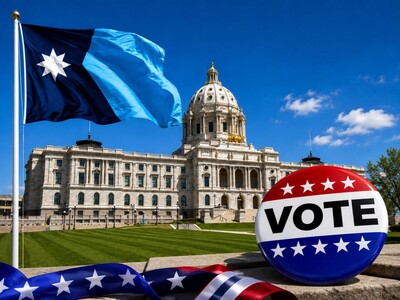
The Minnesota Legislature is expected to play a central role in determining the allocation of the settlement proceeds.
Residents should watch for proposed appropriations, public hearings, eligibility rules and mechanisms for tracking how funds are spent.
The settlement may become an important test of whether a major consumer-protection victory can translate into sustained improvements in children's lives.
For families, the central issue is not simply the amount of money Minnesota receives. It is whether the state uses that money to provide meaningful protection, treatment, education and healthier opportunities for young people.

STAY CONNECTED TO MINNEAPOLIMEDIA
Local stories matter. Subscribe free to MinneapoliMedia and receive independent news, community reporting and important updates from Minneapolis, the North Metro and communities across Minnesota.
SUBSCRIBE FREE: https://minneapolimedia.town.news/subscribe
MinneapoliMedia | Community. Culture. Civic Life