Image
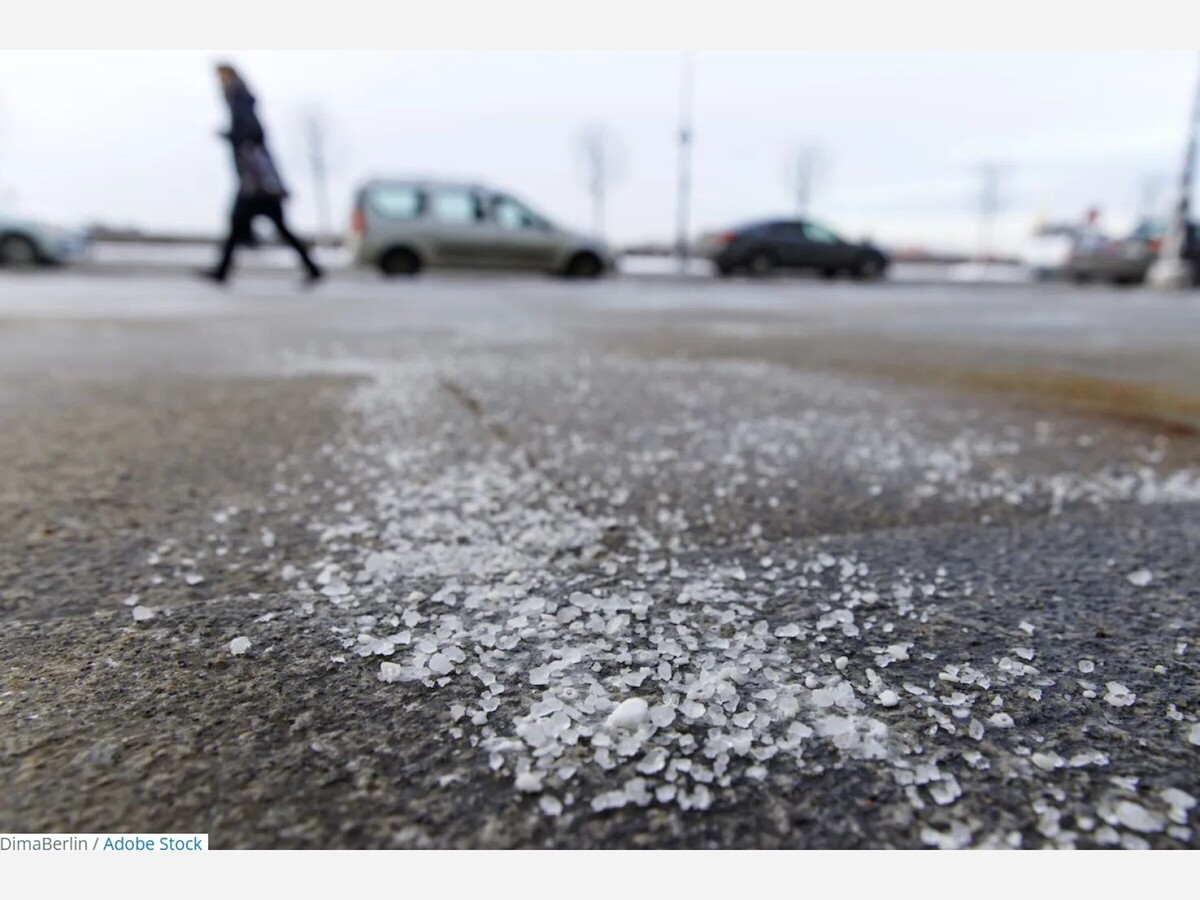



ANOKA, Minn. — As the first snowfalls settle across the Twin Cities, officials in Anoka County are warning that a familiar winter habit is fueling a growing environmental crisis: the steady contamination of Minnesota’s lakes, rivers and drinking-water aquifers by road salt.
What has long been treated as an unavoidable feature of northern winters—spreading salt on roads, sidewalks and parking lots—now threatens the long-term health of the state’s freshwater ecosystems. Local leaders are shifting from routine winter reminders to urgent calls for public cooperation.
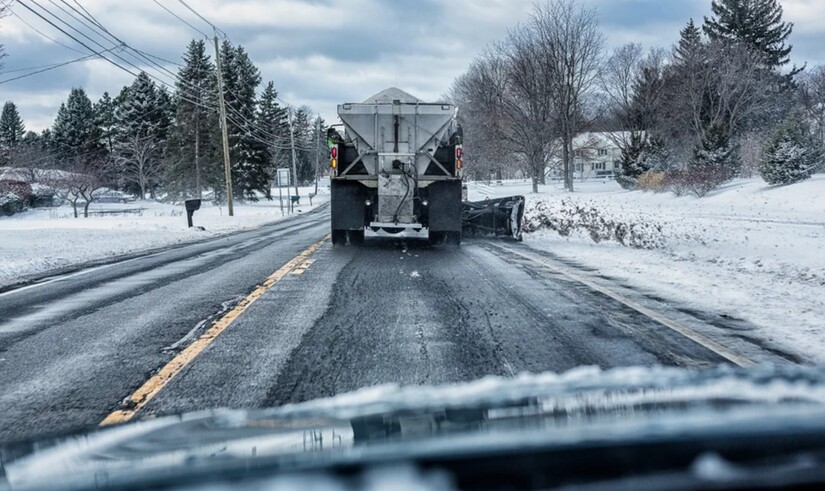
Sodium chloride, the most commonly used road salt, works by lowering the freezing point of water. But once snow and ice melt, the salt dissolves and flows into storm drains that feed directly into lakes, wetlands and groundwater.
The problem, scientists say, is permanence. Chloride does not degrade, break down, or dissipate over time. Each season’s application adds to an ever-growing reservoir of salt that steadily increases the salinity of water bodies.
The Minnesota Pollution Control Agency (MPCA) estimates that a single teaspoon of salt is enough to permanently pollute five gallons of water. In the Twin Cities metro area, more than 365,000 tons of salt are applied annually. University of Minnesota researchers estimate that roughly 78 percent of that salt remains in local water bodies or infiltrates groundwater.
The ecological consequences are severe. Elevated chloride levels disrupt the delicate balance of freshwater ecosystems, harming fish, aquatic insects and amphibians. The MPCA has already listed at least 50 Minnesota lakes and streams as “impaired” due to chloride pollution, with dozens more nearing the threshold.
Human infrastructure is also at risk. Roughly 75 percent of Minnesotans rely on groundwater for drinking water, and some metro-area wells have already recorded rising chloride levels. High salinity can corrode pipes, affect taste and alter soil structure, making land more vulnerable to erosion and less capable of filtering pollutants.
Faced with mounting evidence, counties and cities across Minnesota are embracing a new approach known as Smart Salting—a strategy designed to maintain safety while significantly curbing salt use.
The MPCA offers certification programs for municipal crews, private contractors and property managers. Organizations that have adopted Smart Salting practices have reduced their salt use by 30 to 70 percent without compromising road safety.
The approach emphasizes precision, temperature awareness, equipment calibration and surface condition monitoring. It also encourages communities to rethink what “safe” winter conditions look like—favoring traction and passability over dry, bare pavement during active storms.
Anoka County and state officials say individual action can meaningfully reduce chloride contamination. They recommend:
Minnesotans expect reliable, safe winter travel. But local officials say that expectation must evolve as the consequences of salt overuse become clearer. The science is unequivocal: once chloride enters a lake or aquifer, it stays there.
For communities like Anoka County—home to cherished lakes, wetlands and extensive groundwater resources—the stakes are high. The challenge now is to maintain safety while slowing, and ultimately reversing, the long-term damage of salt pollution.
As winter deepens, the call is not simply for caution on icy roads, but for mindfulness: every handful of salt affects Minnesota’s waters forever.



Sunny, with a high of 50 and low of 34 degrees. Sunny in the morning, partly cloudy for the afternoon, clear in the evening,