44° and Clear
Image



COON RAPIDS, Minn. - In a marked departure from traditional law enforcement, the Coon Rapids Police Department (CRPD) has cemented its commitment to a co-response public safety model, integrating licensed social workers directly into its ranks to address crises rooted in mental health, poverty, and addiction.
This initiative is part of a growing national trend aimed at diverting non-criminal emergencies from the justice system and ensuring vulnerable residents are connected with long-term social services rather than defaulting to handcuffs or hospital emergency rooms.
At the center of the program are licensed clinical social workers, led by Lori Halbur, who serve as vital civilian liaisons between the department and the community. Their role extends beyond responding to 911 calls; it includes offering consistent, accessible community outreach designed to prevent crises before they escalate.
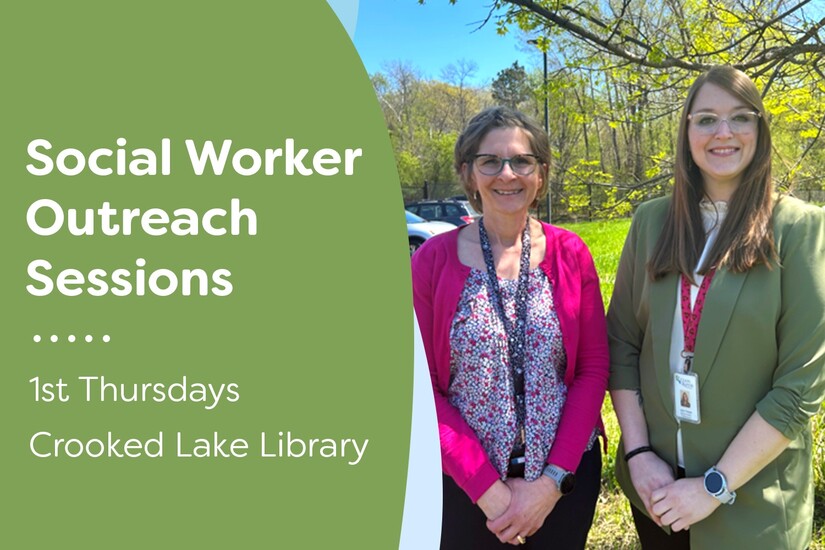
The most visible component of this preventative strategy is a series of free, confidential drop-in sessions hosted monthly at neutral, easily accessible community locations. Held on the first Thursday of every month at the Anoka County Library’s Crooked Lake Branch, these sessions provide a non-judgmental space where residents can access support on a range of complex challenges.
These consultations, which require no appointment, offer assistance across eight critical areas of need:
By hosting these sessions outside of the police station—a setting that can deter individuals in crisis—the department intentionally lowers the barrier to entry, signaling that the service is focused purely on support and resource navigation.
The Coon Rapids program, initially launched as a part-time pilot, proved so successful that the role of the mental health professional was expanded to full-time in 2022. The team has since grown, adding a second grant-funded mental health professional, Jess Hoppe—a licensed addiction counselor—in 2025, along with a mental health intern.
During the initial pilot phase, the program managed nearly 2,000 referrals, demonstrating the high demand for integrated services. The measurable outcomes have validated the city's investment. Police Chief John Stahnke noted that the program has "drastically decreased repeat calls for service," a persistent challenge for police departments nationwide.
By the end of 2022, the CRPD reported that mental health-related calls were on track to decrease by more than 30 percent compared to the previous year—the first such decline in many years.
"This program is an investment in community well-being," Ms. Halbur said of the department's choice to institutionalize the position. "By prioritizing this role within the police department, the city is showing how committed it is to creative solutions for a safe and healthy community."
Coon Rapids' decision reflects a broader, regional movement in Anoka County and the Twin Cities metro area to redefine the scope of law enforcement.
The "co-responder" model pairs an officer with a civilian clinician, allowing the social worker to take the lead in de-escalation, on-scene assessments, and connecting residents with county crisis services. This approach minimizes the likelihood of arrests or involuntary hospital transports for individuals experiencing behavioral health crises.
Other neighboring departments, including Columbia Heights and Fridley, have also successfully adopted similar models, often in partnership with regional mental health providers. Furthermore, the Anoka County Sheriff's Office added its own embedded social worker in 2025, further illustrating a county-wide commitment to collaborative crisis response.
For residents, this integrated approach means that when they face challenges related to mental health, housing, or substance use, the initial point of contact with a municipal service is increasingly one that prioritizes resources and recovery over enforcement. By embedding social support into the infrastructure of law enforcement, Coon Rapids is proactively working to address the root causes of crisis and foster greater community trust.



Sunny, with a high of 53 and low of 30 degrees. Sunny for the morning, clear during the afternoon and evening,