Image
ST. PAUL - On Thursday, state budget forecasters delivered a sobering message to Minnesota lawmakers: the state will enjoy a $2.5 billion surplus in the 2026–27 biennium, but a structural deficit approaching $3 billion looms for 2028–29.
The forecast, issued by Minnesota Management and Budget (MMB), underscores a rare short-term financial boost even as it highlights deep-rooted fiscal challenges that will demand difficult choices from a sharply divided Legislature.
The near-term surplus is fueled by stronger-than-expected revenue collections, especially income taxes, and a better-than-anticipated close to the prior fiscal year. MMB officials say these factors, coupled with slower-than-projected spending growth, have created a temporary cushion.
This windfall offers lawmakers an opportunity to fund one-time priorities such as infrastructure, debt repayment, or reserve fund contributions.
Despite the short-term surplus, MMB warns that Minnesota faces a $2.96 billion deficit in the 2028–29 biennium. The forecast cites rising health and human services costs, slower economic growth, and inflation pressures as the main drivers.
State-sponsored programs like Medicaid are increasing faster than baseline revenue growth, creating a structural imbalance. Projected increases in education funding, property tax aids, and inflation adjustments add to the challenge.
Although this deficit is smaller than the nearly $6 billion shortfall projected earlier this year, it remains a formidable hurdle for lawmakers.
The dual nature of the forecast, short-term opportunity, long-term risk, quickly became a political flashpoint.
Republicans criticized previous spending and tax policies, arguing that structural deficits result from chronic overspending rather than temporary shocks. They called for fiscal restraint and prioritized savings over new recurring commitments.
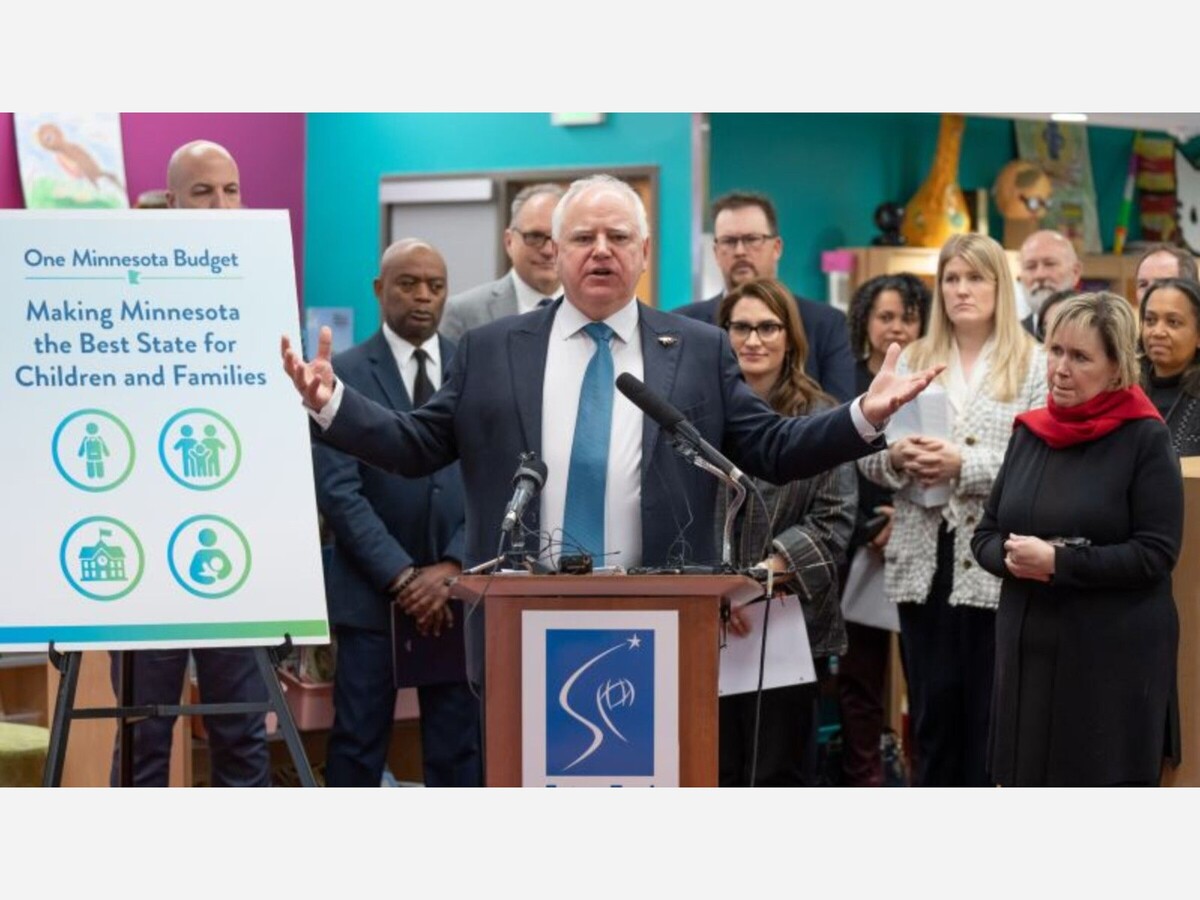
Democrats, including Governor Tim Walz, attributed some of the challenges to broader economic headwinds and federal policy changes, noting the state’s reliance on federal funds for roughly one-third of its budget. “We must budget to protect Minnesotans from heavy national economic headwinds,” Walz said.
As the 2026 legislative session approaches, lawmakers must decide how much of the $2.5 billion surplus to allocate to one-time priorities versus reserves. The debate will also focus on structural reforms, particularly in health and human services, to prevent the projected 2028–29 deficit from worsening.
Governor Walz is expected to release a supplemental budget proposal before the session, which may include spending reductions and policy recommendations. But with a narrowly divided Legislature, any resolution will require negotiation and compromise.
Minnesota’s forecast offers a temporary reprieve, but the state’s long-term fiscal health remains at risk. Without careful planning and disciplined budgeting, today’s surplus could be quickly eroded by rising costs, leaving lawmakers to confront the structural deficit in future bienniums.


Sunny, with a high of 68 and low of 34 degrees. Sunny in the morning, partly cloudy in the afternoon and evening, clear overnight.