49° and Sunny
Image



Across the United States, the first weeks of January 2026 have been marked by organizational meetings, a foundational governance ritual in which school boards reset their leadership for the year ahead. In Minnesota, that process unfolded at St. Francis Area Schools, where board members elected officers who will shape agendas, manage public deliberation, and guide district priorities in the months to come.
At the annual organizational meeting, the board re-elected its chair by unanimous ballot, a decision that signaled continuity at a moment when districts statewide are navigating budget pressures, facilities planning, and heightened community expectations. Under Minnesota statute, school boards are required to organize each January by selecting officers for one-year terms, making the meeting both procedural and consequential.
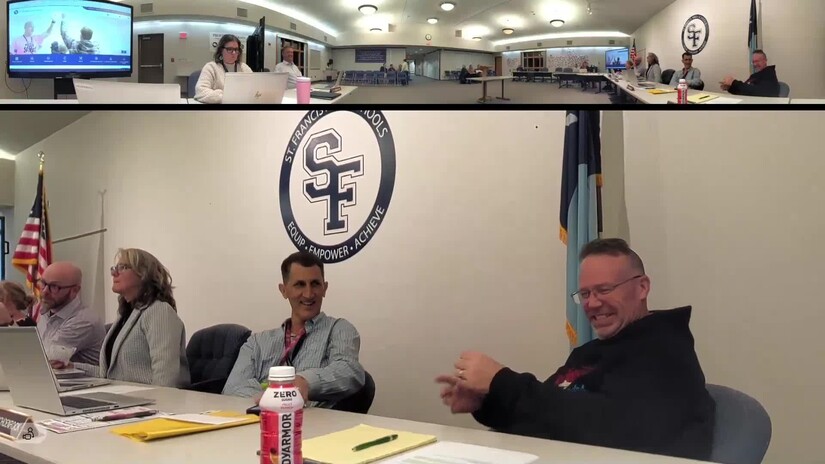
The board chair serves as the district’s primary spokesperson and agenda-setter, presiding over meetings and often acting as the public face of governance. While each board member holds equal voting power, the chair’s influence over meeting flow, committee referrals, and tone is substantial.
By re-electing the sitting chair without opposition, the St. Francis board indicated a preference for stability and institutional memory. Such continuity is often seen by district staff and families as a commitment to steady execution of longer-term initiatives, whether tied to academic programming, capital planning, or district culture.
As is customary, once the chair was re-elected, they immediately assumed the gavel and presided over the remainder of the officer elections.
The election of vice chair prompted a broader discussion about leadership philosophy. One board member spoke in favor of a more active leadership model that prioritizes mentorship and intentional onboarding of new board members, particularly with future elections on the horizon. The comments emphasized alignment between the chair and vice chair as a means of fostering a respectful board culture and maintaining focus during contentious discussions.
The board ultimately appointed Annette West as vice chair by majority vote. In many districts, the vice chair role functions as a leader in waiting, providing continuity if the chair is absent and serving as a key collaborator in managing public comment and internal deliberation.
The remaining officer positions were filled without debate. The board elected Rob Schoenrock as clerk and Chad Working as treasurer through unanimous ballots, a gesture commonly interpreted as a show of unity around the district’s administrative and fiduciary responsibilities.
The clerk is responsible for maintaining official meeting minutes and ensuring compliance with Minnesota’s Open Meeting Law, effectively serving as the board’s institutional record keeper. The treasurer oversees financial reporting and signs off on major expenditures, acting as a safeguard for public funds.
Unanimous votes for these roles often signal that, regardless of policy differences, board members are aligned on the importance of transparency, legal compliance, and financial stewardship.
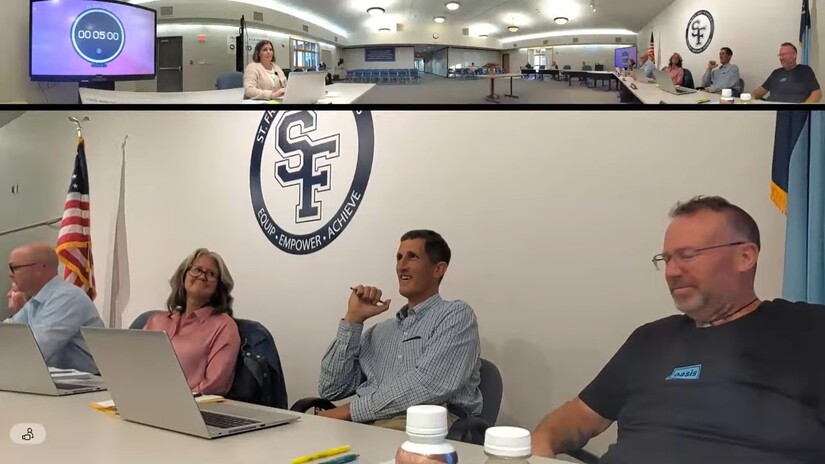
Beyond the formal votes, the meeting reflected a broader trend seen in school boards during 2025 and 2026: an explicit focus on leadership development and collaborative governance. Boards nationwide are increasingly discussing mentorship models that help newer members transition from addressing individual constituent concerns to engaging with district-wide policy, student outcomes, and long-term strategy.
This approach emphasizes inclusion and documentation of minority viewpoints, even when final votes are decisive, with the goal of maintaining public trust and institutional credibility.
As districts enter 2026, school boards face what some governance experts describe as pivotal moments, balancing economic uncertainty, student mental health needs, facility demands, and polarized public discourse. The leadership teams elected in January will determine whether boards remain consumed by procedural conflict or move deliberately toward evidence-based decision-making.
For St. Francis Area Schools, the combination of leadership continuity, unified administrative elections, and open discussion about mentorship suggests a board positioning itself for steady governance, even as new challenges and voices emerge in the year ahead.



Patchy rain nearby, with a high of 64 and low of 46 degrees. Sunny for the morning, clear overnight.