87° and Sunny
Image
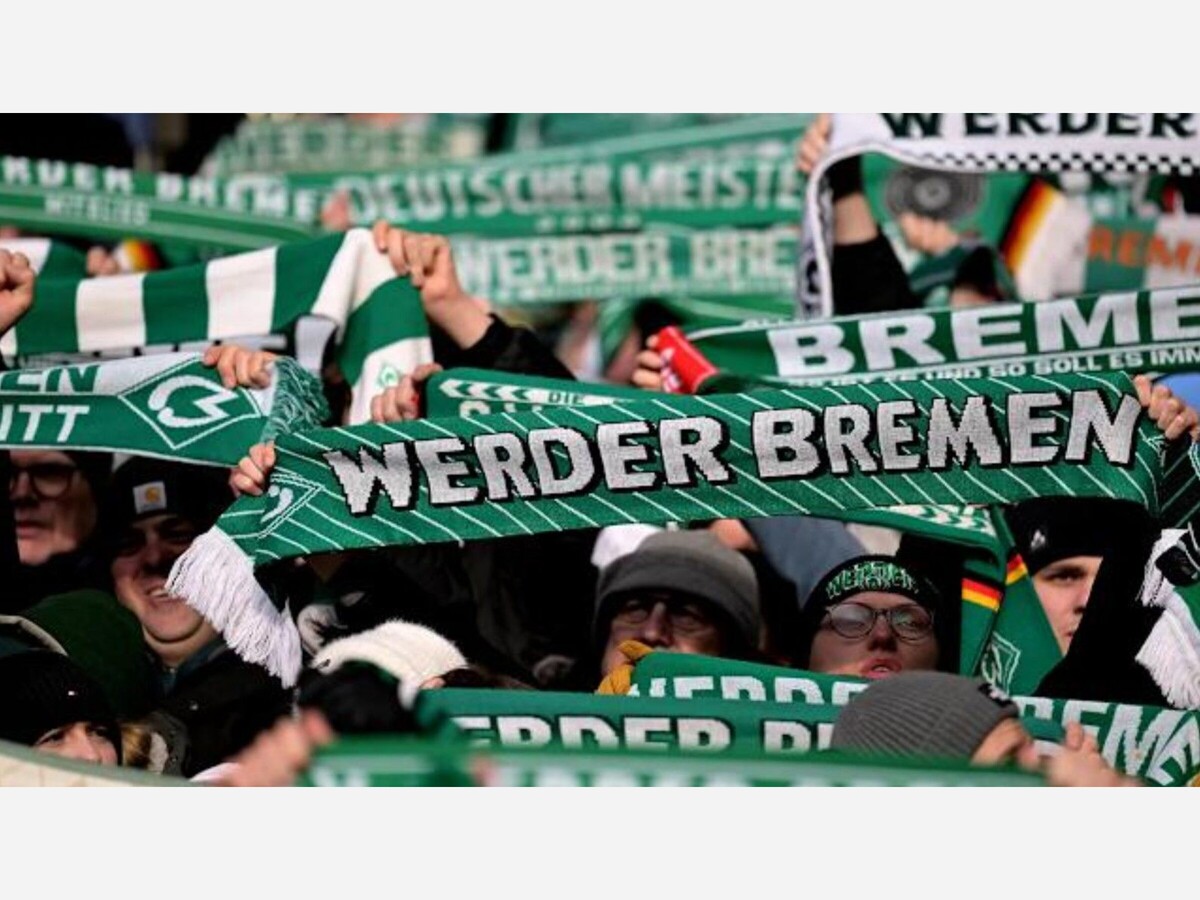



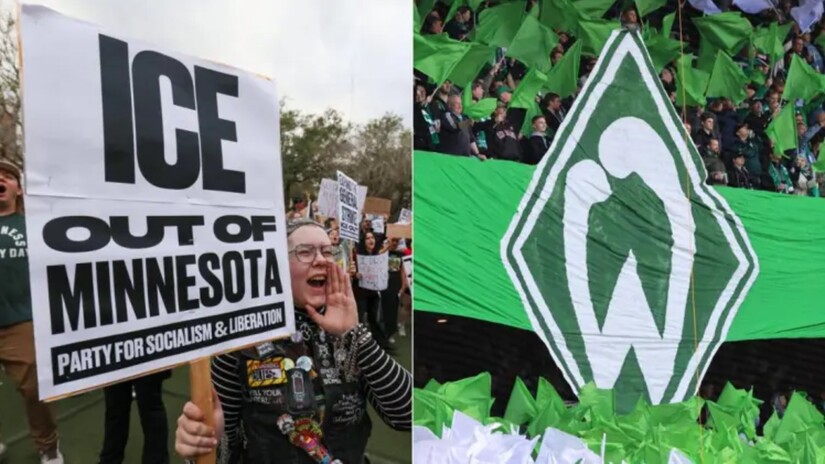
The club’s chief executive, Klaus Filbry, confirmed in late February that the cancellation followed what he described as ethical, safety, and logistical concerns, centered largely on Minnesota’s ongoing turmoil linked to Operation Metro Surge, a sweeping federal immigration enforcement action that has dominated headlines across the Twin Cities.
For Minnesota, the cancellation represents more than the loss of an exhibition match. It is a rare and public rebuke from an international institution that explicitly cited unrest and fatal federal shootings as incompatible with its values.
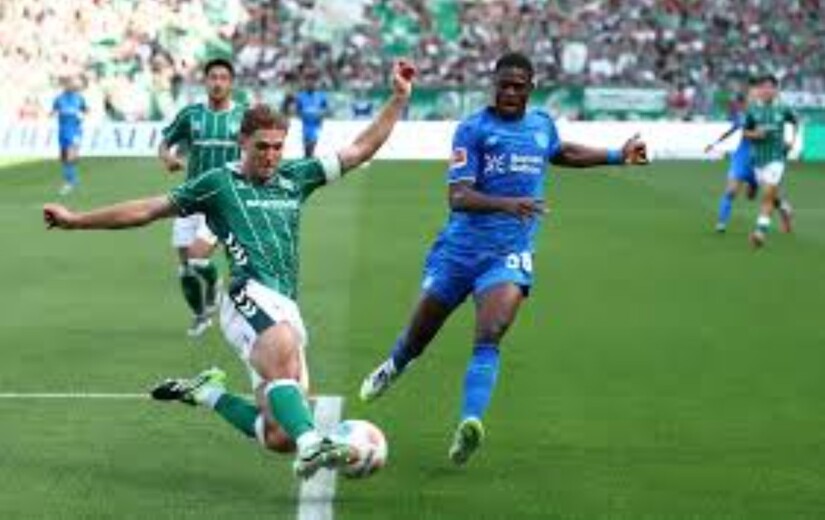
Filbry told the German outlet DeichStube that playing in a city “currently experiencing unrest and where people are being shot” would not align with Werder Bremen’s commitment to an open and pluralistic society. The club has long cultivated a progressive identity in Germany, emphasizing anti-racism initiatives and civic responsibility alongside its sporting ambitions.
The statement followed weeks of demonstrations in Minneapolis after two fatal encounters involving federal authorities during Operation Metro Surge.
According to widely reported accounts, the first occurred on January 7, when Renee Nicole Good, 37, a U.S. citizen and mother of three, was shot by an Immigration and Customs Enforcement agent during an enforcement action. The second took place on January 24, when Alex Pretti, 37, an ICU nurse, was fatally shot while filming federal agents conducting an operation.
Both deaths sparked protests across Minneapolis and St. Paul, drawing hundreds of demonstrators and igniting renewed debate over the use of force by federal immigration officers. Federal authorities have maintained that investigations are ongoing. Community advocates have demanded transparency and accountability.
For Werder Bremen’s leadership, the unrest signaled more than a temporary disruption.
“Sport cannot exist in isolation from society,” Filbry said in the German press. “We represent certain values.”
In addition to ethical considerations, club officials cited practical concerns regarding entry into the United States.
Filbry referenced uncertainty surrounding tightened visa and security screening procedures, including expanded reviews of social media profiles for international travelers. Werder Bremen’s roster includes players from multiple continents, and the club indicated it could not guarantee that all members of its traveling party would receive clearance.
The club currently features several non-European players, including Nigerian international Victor Boniface. While there has been no public indication that any specific player would be denied entry, Bremen officials said the unpredictability of approvals created unacceptable risk for a tightly scheduled preseason tour.
There were also competitive realities.
Werder Bremen sits 16th in the Bundesliga table, a precarious position that would require participation in relegation playoffs on May 22 and 26 if the standings hold. Those matches determine whether a club remains in Germany’s top tier or is demoted to the second division.
The financial implications of relegation can run into the tens of millions of euros, far eclipsing the revenue generated by friendly matches abroad.
Club officials described the tour’s timing as increasingly untenable. The risk of traveling without a full squad during a relegation battle, they said, was impractical from a sporting standpoint.
The cancellation delivers a symbolic and economic blow to Minnesota’s sports landscape.
Werder Bremen had been expected to split its visit between Minnesota and Detroit, likely facing Minnesota United FC at Allianz Field in St. Paul. International friendlies routinely draw tens of thousands of fans and generate revenue for local hotels, restaurants, and event vendors.
Local business groups have previously estimated that prolonged unrest and heightened federal enforcement activity have already reduced tourism and event bookings across the Twin Cities, costing hundreds of millions of dollars in lost economic activity. While precise figures are difficult to isolate, the absence of a European club tour underscores how civic instability can ripple beyond politics into commerce and culture.
White House border adviser Tom Homan recently announced a partial drawdown of Operation Metro Surge personnel. Federal officials have described the initiative as a targeted enforcement effort. Yet for Werder Bremen’s leadership, the optics and atmosphere remained too uncertain.
Minnesota has long marketed itself as a welcoming international destination, home to thriving immigrant communities and major league sports franchises. Allianz Field, which opened in 2019, was envisioned as a stage for global exhibitions and a gateway for international soccer audiences.
Instead, the state’s latest moment in the global spotlight arrives under starkly different circumstances.
When a European football club publicly declines to play in Minnesota because of unrest and fatal shootings, it reflects a reputational shift that extends beyond one match. It suggests that civic conflict in the United States is not merely domestic news but part of a global narrative, scrutinized and acted upon by institutions thousands of miles away.
In Germany, Werder Bremen’s decision has been framed as a principled stand consistent with the club’s history. In Minnesota, it reads as a sobering indicator of how local events now travel instantly and influence international decisions.
For fans who had hoped to see Bundesliga football under the bright lights of St. Paul in May, the message is simple and jarring: the match will not be played.
For Minnesota, the larger question lingers. What does it mean when the world is watching, and chooses not to come?



Patchy rain nearby, with a high of 92 and low of 64 degrees. Don't forget your umbrella! Sunny during the morning, clear during the afternoon and evening,