61° and Partly Cloudy
Image




In early 2026, the Coon Rapids City Council finalized the city’s annual insurance renewals, approving a $439,675 comprehensive package designed to manage rising municipal risk while maintaining targeted protections for residents affected by sewer backups and water main breaks.
The action, approved at the council’s Jan. 6 meeting, authorizes coverage for the 2026 policy year and continues a long standing risk management approach that balances fiscal discipline with resident protection as infrastructure ages and insurance markets tighten.
The 2026 insurance program is administered primarily through the League of Minnesota Cities Insurance Trust, which provides pooled property, liability, and specialty coverage to cities across the state.
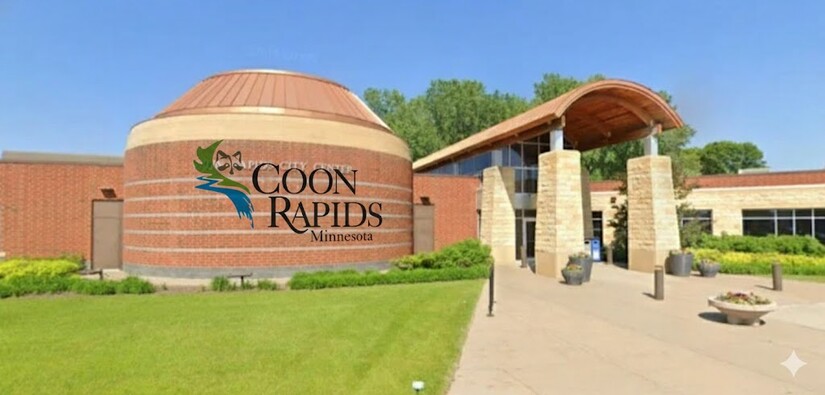
The approved $439,675 premium represents a modest increase over 2025, reflecting higher costs tied to inflation, vehicle repair prices, and construction expenses, along with adjustments to insured assets. City officials described the increase as measured when compared with broader municipal insurance trends, where some cities have faced double digit growth in recent years.
The renewal package includes coverage for:
A central feature of the 2026 renewal is the continuation of the city’s no fault sewer backup and water main break coverage, adopted by council resolution alongside the broader insurance package. Under this program, eligible claims are reimbursed up to $10,000 per incident, regardless of fault, to encourage rapid cleanup and limit prolonged damage.
City records show Coon Rapids has carried this form of coverage for more than two decades, with relatively few annual claims. For 2026, the sewer backup portion of the premium totals $16,995, a slight increase over the prior year.
Officials emphasized that the coverage serves as a risk management tool rather than a substitute for private insurance. It is designed to address failures in public infrastructure, not problems within privately owned service lines or homes.
The distinction matters, particularly in older neighborhoods such as the Northdale Addition, where many homes date back to the late 1960s and early 1970s.
Responsibility is divided as follows:
Standard homeowners insurance generally excludes damage caused by water entering a home from outside sources, including sewer backups or failed sump pumps.
City staff cited several factors behind the continued emphasis on sewer related risk:
By maintaining sewer backup coverage and clear policies, the city aims to limit disputes over fault while ensuring residents can address damage quickly when municipal infrastructure is involved.
Alongside the renewal, city officials used the discussion to reinforce preventative steps for residents. Homeowners in older properties are encouraged to schedule sewer scope inspections, which use cameras to identify root intrusion or pipe deterioration before a failure occurs.
Officials also urged residents to review their insurance policies carefully. Basement remediation after a sewer backup can exceed $10,000, a cost typically borne by the homeowner without a sewer or water backup rider.
Municipal insurance has become a quiet but growing budget pressure across Minnesota, driven by litigation costs, extreme weather risk, and inflation in construction and vehicle repair. In Coon Rapids, the 2026 renewal reflects a strategy of incremental adjustments rather than sharp cuts or coverage reductions.
For taxpayers, the decision preserves financial protection for the city while sustaining a resident facing program that has long been part of Coon Rapids’ approach to infrastructure related risk. For homeowners, it serves as both a safeguard and a reminder that municipal coverage and private insurance play distinct but complementary roles in managing sewer backup risk.


Overcast, with a high of 72 and low of 56 degrees. Partly Cloudy during the morning, light rain shower for the afternoon, overcast in the evening,