38° and Light rain
Image
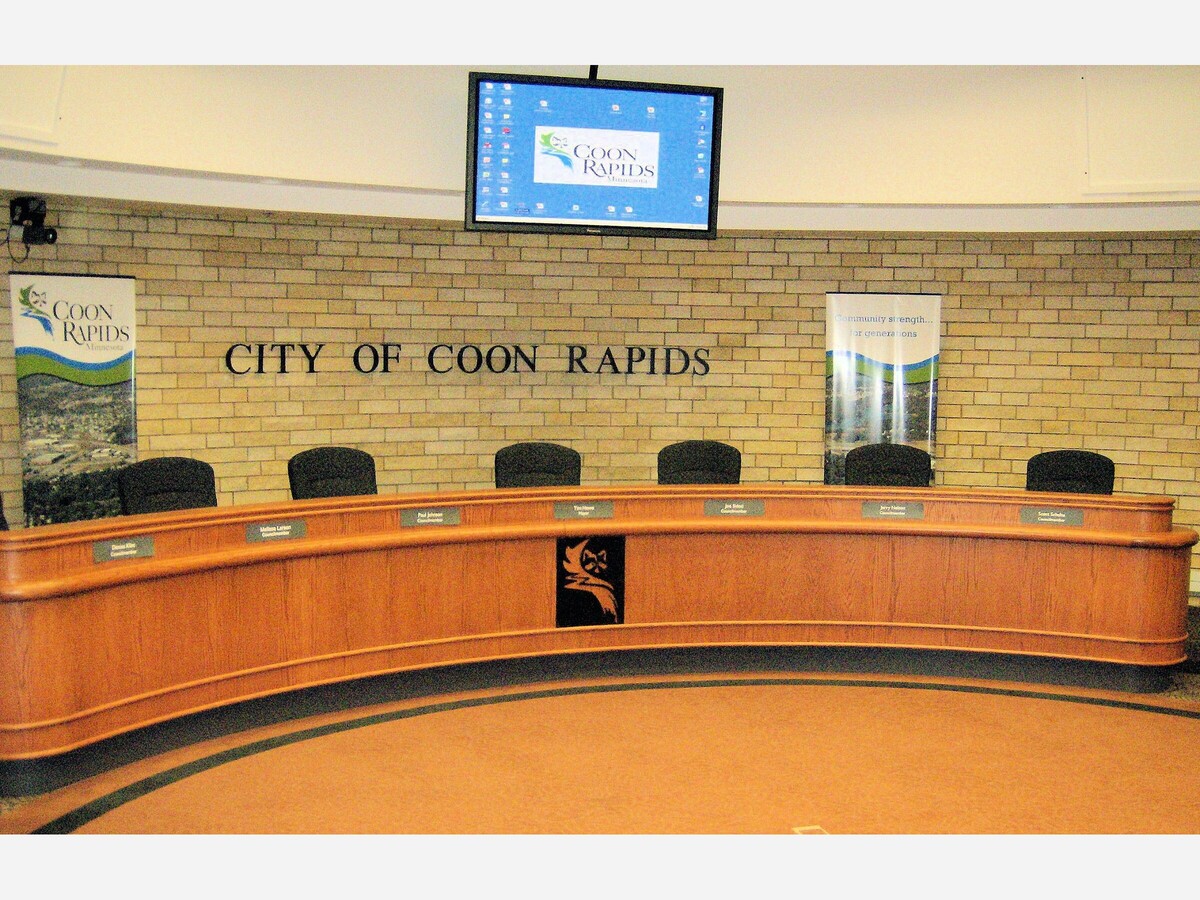



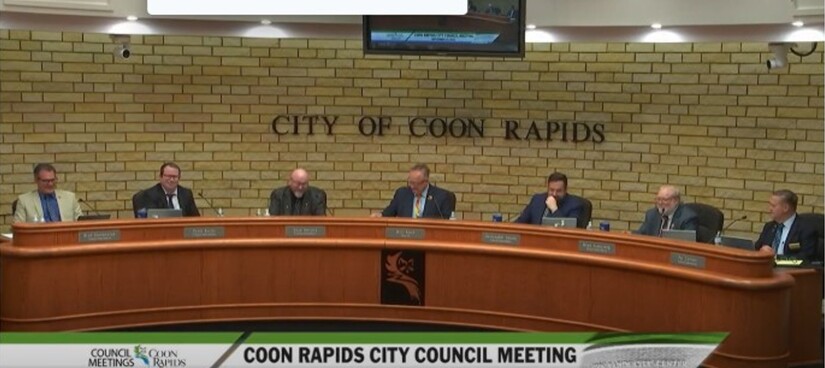
Coon Rapids City Council took its first formal step toward a potential local sales tax referendum during its January 6, 2026, meeting, signaling a renewed focus on long-term capital investments amid rising construction costs and aging public facilities.
At the center of the discussion was Resolution 26-24, unanimously approved by the council, which authorizes city staff and lobbyists to seek state legislative approval for a local option sales tax. Under Minnesota law, cities may not impose a sales tax without explicit authorization from the Legislature. Even with state approval, the tax could only take effect if Coon Rapids voters approve it in a local referendum.
City leaders framed the proposal as a strategic response to mounting infrastructure needs that cannot be sustainably addressed through property taxes alone. Two major projects were cited as the primary drivers:
A local sales tax, council members emphasized, would allow the city to fund these large-scale capital projects while distributing some of the cost burden to visitors and non-residents who shop, dine, or attend events in Coon Rapids.
The approval of Resolution 26-24 does not impose a tax. Instead, it initiates a multi-step process:
The council discussed a half-percent sales tax as the working framework, consistent with similar measures adopted by other Minnesota cities for capital improvements.
In addition to the sales tax discussion, the January 6 meeting addressed several routine but consequential financial and administrative items, including updates to the city’s external auditing policies, renewal of municipal insurance coverage, and reports on ongoing community engagement efforts. Together, these items underscored the council’s broader emphasis on fiscal oversight, risk management, and transparency.
City officials will now work with legislative partners to advance the authorization request at the Capitol. No timeline has been set for a referendum, and council members stressed that community outreach and public education will be essential before voters are asked to decide.
If ultimately approved by residents, the local option sales tax would mark one of the most significant funding decisions in recent Coon Rapids history, shaping public safety infrastructure and community amenities for decades to come.



Light snow, with a high of 37 and low of 30 degrees. Don't forget your umbrella! Light snow in the morning, moderate snow during the afternoon, patchy moderate snow overnight.