51° and Moderate rain
Image



MINNEAPOLIS, MN
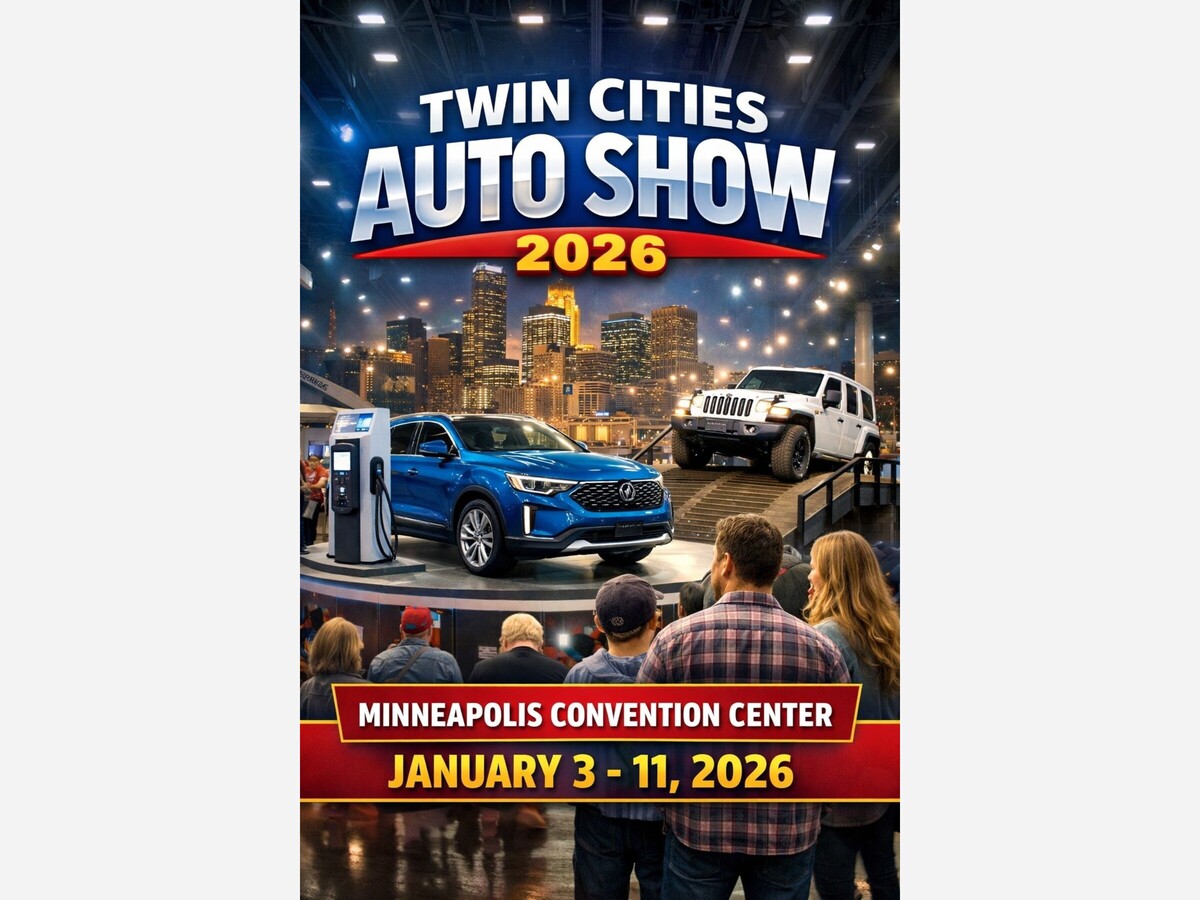
The 53rd Annual Twin Cities Auto Show concluded Sunday, Jan. 11, 2026, wrapping up a nine day run at the Minneapolis Convention Center that marked a notable shift in both calendar timing and industry tone.
Traditionally held in the spring, the 2026 show moved to the first full week of January, positioning itself as a winter “cabin fever” outlet for Minnesotans eager to escape the cold and preview the year ahead in automotive design and technology. The adjustment drew steady crowds across the week and reframed the event as a midwinter consumer research destination rather than a seasonal spectacle.
Produced by the Greater Metropolitan Automobile Dealers Association, the show transformed the convention center’s main halls into a sprawling automotive gallery featuring more than 325 vehicles across nearly every major segment, from compact sedans and family SUVs to luxury models, trucks, hybrids, and electric vehicles. Organizers estimated the total value of vehicles on display at more than $31.5 million.
As in prior years, the show emphasized a no pressure environment. Vehicles are not sold on the floor, allowing attendees to sit, compare, and explore without negotiations or sales tactics. Many families treated the event as a single stop opportunity to evaluate multiple brands side by side, an approach that remains one of the show’s strongest draws.
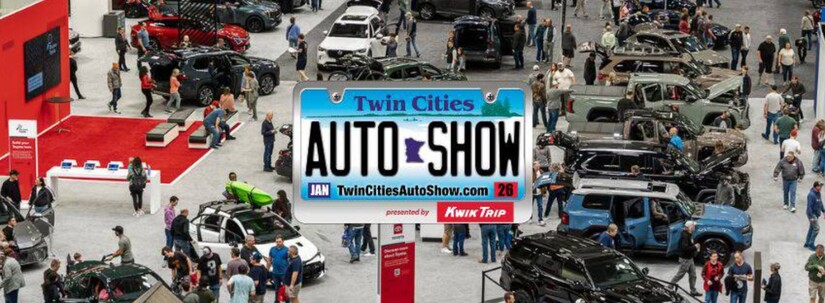
Despite broader contractions in the national auto show circuit, several fan favorite experiences remained central to the Twin Cities event.
The Electric Vehicle Neighborhood, presented by Xcel Energy, focused on the practical realities of EV ownership in a cold weather state. Exhibits addressed home charging, range considerations, and battery performance during Minnesota winters, with experts on hand to answer questions from prospective buyers.
Camp Jeep once again featured its towering indoor obstacle course, including an 18 foot “Jeep Mountain” with a 35 degree incline. Professional drivers guided attendees through articulation tests, steep climbs, and off camber turns, offering a visceral demonstration of suspension and traction capabilities.
Luxury Lane stood out as one of the most photographed sections of the show, showcasing high end vehicles from brands such as Aston Martin, Maserati, and Bentley. The display underscored that even as affordability pressures mount, aspirational automotive design continues to attract attention.
The show also incorporated Military Appreciation and Career Day programming, offering free admission for first responders and highlighting career pathways in automotive manufacturing, maintenance, and design. Organizers framed the initiative as part of a broader effort to address workforce shortages across the industry.
One of the most notable undercurrents of the 2026 show was what GMADA President Scott Lambert described as an “Electric Vehicle reset.” While fully electric models drew consistent interest, particularly large format EVs such as Hyundai’s Ioniq 9, conversations on the floor reflected a recalibration among consumers.
Many attendees expressed renewed interest in hybrids and traditional internal combustion vehicles, citing concerns about charging infrastructure, winter performance, and long term costs. Several manufacturers highlighted hybrid lineups and efficiency gains in gasoline powered engines, including the reintroduction of inline six engines and continued demand for trucks and SUVs positioned as durable, all weather workhorses.
The mix suggested not a retreat from electrification, but a more cautious and pragmatic consumer outlook, especially in a region where climate and driving distances play an outsized role in purchasing decisions.
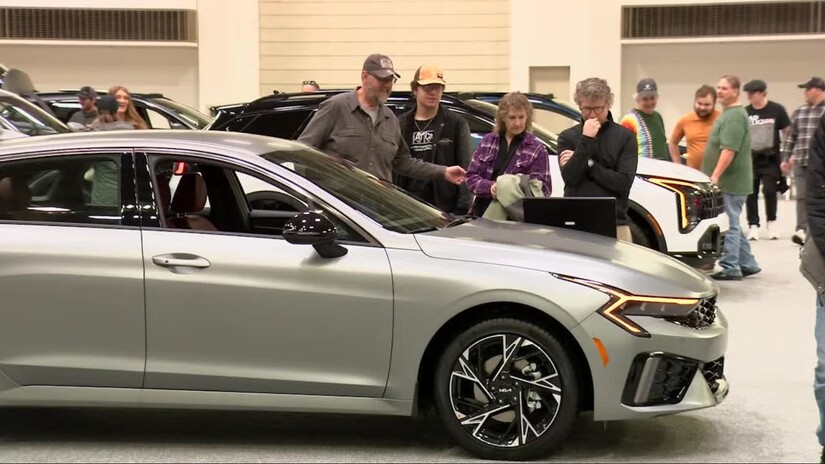
Public reaction to the 2026 show mirrored national trends. While visitors praised the calm, research oriented atmosphere, some longtime attendees noted a smaller footprint than in previous decades. A handful of major manufacturers were absent, and the number of concept vehicles and immersive simulators was more limited than during the auto show circuit’s peak years.
Still, for many Minnesotans, the Twin Cities Auto Show continues to serve a distinct role. It remains a place to touch, test, and compare vehicles in person, an experience that online configurators and digital walkarounds have yet to fully replace.
Ticket pricing for the 2026 show was structured to encourage broad attendance:
As the doors closed Sunday evening, the message from the convention floor was clear. The Twin Cities Auto Show may be evolving in size and scope, but its core mission endures. To give Minnesotans a clear, accessible window into where the auto industry stands today and where it may be headed next.


Partly Cloudy, with a high of 55 and low of 36 degrees. Sunny in the morning, partly cloudy during the afternoon and evening, clear overnight.