Image



Coon Rapids, MN
As temperatures across the North Metro plunge into a prolonged deep freeze, the City of Coon Rapids is urging residents to take immediate precautions to prevent frozen pipes and damaged water meters, failures that often strike quietly but escalate into costly emergencies within hours.
In a winter advisory issued this week, city officials outlined simple but time-sensitive steps designed to protect household plumbing systems during extreme cold. While the guidance is practical on its face, the reasoning behind it reflects decades of hard lessons from Minnesota winters, municipal utility data, and national water safety standards.
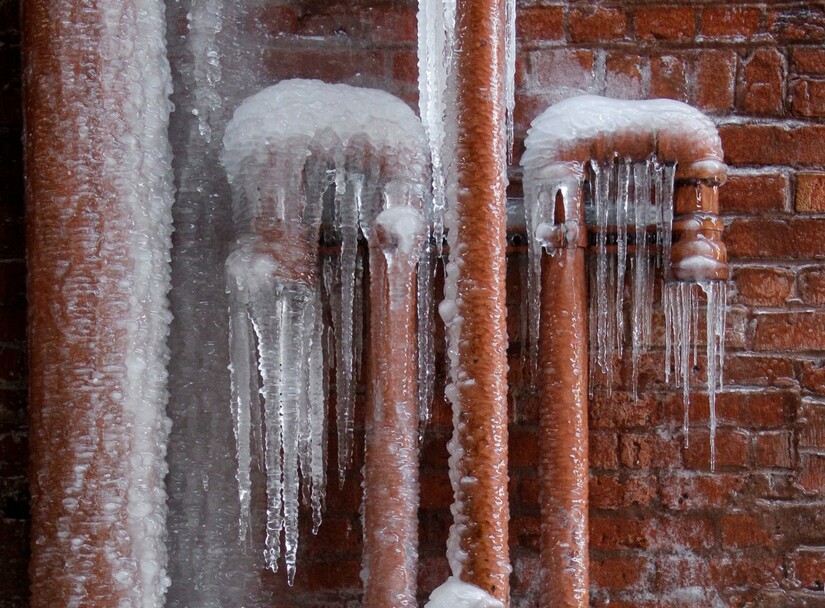
The city highlights two specific indicators that a plumbing system is approaching a critical failure point.
Discolored or yellow water is often the first visible sign. As water begins to freeze inside a pipe, it expands and creates intense internal pressure. That stress can dislodge iron rust and mineral sediment that has accumulated over years, tinting the water yellow, orange, or reddish. When this happens, ice is already forming inside the pipe. It is often the final warning before the flow stops completely.
The second red flag is water temperature dropping below 35 degrees Fahrenheit. While water freezes at 32 degrees, the margin between 32 and 35 degrees is dangerously thin in a residential system. When tap water reaches that range, it signals that frost has penetrated deeply into the ground around the service line or that air temperatures near the meter have fallen low enough to freeze standing water within minutes.
In many homes, the water meter is the most vulnerable component of the system. Unlike narrow pipes, meters contain moving parts and a larger volume of still water, which freezes more easily.
Meters are frequently located in closets, utility rooms, or recessed well pits where heat circulation is poor. These confined spaces can become cold pockets even when the rest of the home feels adequately warm.
In Coon Rapids, the city maintains the water mains in the street and the service lateral up to the shutoff valve in the yard. Homeowners are responsible for the plumbing inside the home and for protecting the meter itself. Because the meter is city property, freeze damage can result in replacement fees and emergency service charges for the homeowner, making prevention especially important.
When warning signs appear, the city recommends letting water run from one faucet at a thin stream about the width of a pencil lead.
This approach works for a reason that goes beyond keeping water moving. Pipes typically burst not because ice expands, but because liquid water becomes trapped between an ice blockage and a closed faucet. Pressure builds rapidly in that confined space until the pipe fails.
A small, continuous flow relieves that pressure and dramatically reduces the risk of rupture. While running water does increase a utility bill, industry estimates suggest the added monthly cost typically ranges from $30 to $100 depending on duration. By contrast, repairing a burst pipe and associated water damage often exceeds $5,000 and can climb much higher if walls, floors, or electrical systems are affected.
Coon Rapids provides clear instructions for escalating situations.
During business hours, residents should call the city directly at 763-755-2880. After 4:30 p.m., residents are instructed to call 911, which in many Minnesota municipalities also dispatches on-call public works staff who can shut off water at the street to prevent further damage.
City officials report that, so far, no water mains in the street have frozen during the current cold stretch, though isolated residential freeze-ups have occurred. Utilities crews continue to monitor conditions closely.
Additional prevention strategies recommended by national water and emergency management organizations include:
Frozen pipes are among the most common and destructive winter emergencies in Minnesota homes, yet they are also among the most preventable. City officials emphasize that a few minutes of preparation can spare residents days of disruption and thousands of dollars in repairs.
As temperatures fall further in the coming days, the message from Coon Rapids is straightforward: know where your meter is, watch for early warning signs, and act before silence at the tap turns into a flood behind the walls.


Sunny, with a high of 82 and low of 52 degrees. Sunny for the morning, clear overnight.