62° and Clear
Image



COON RAPIDS, MN
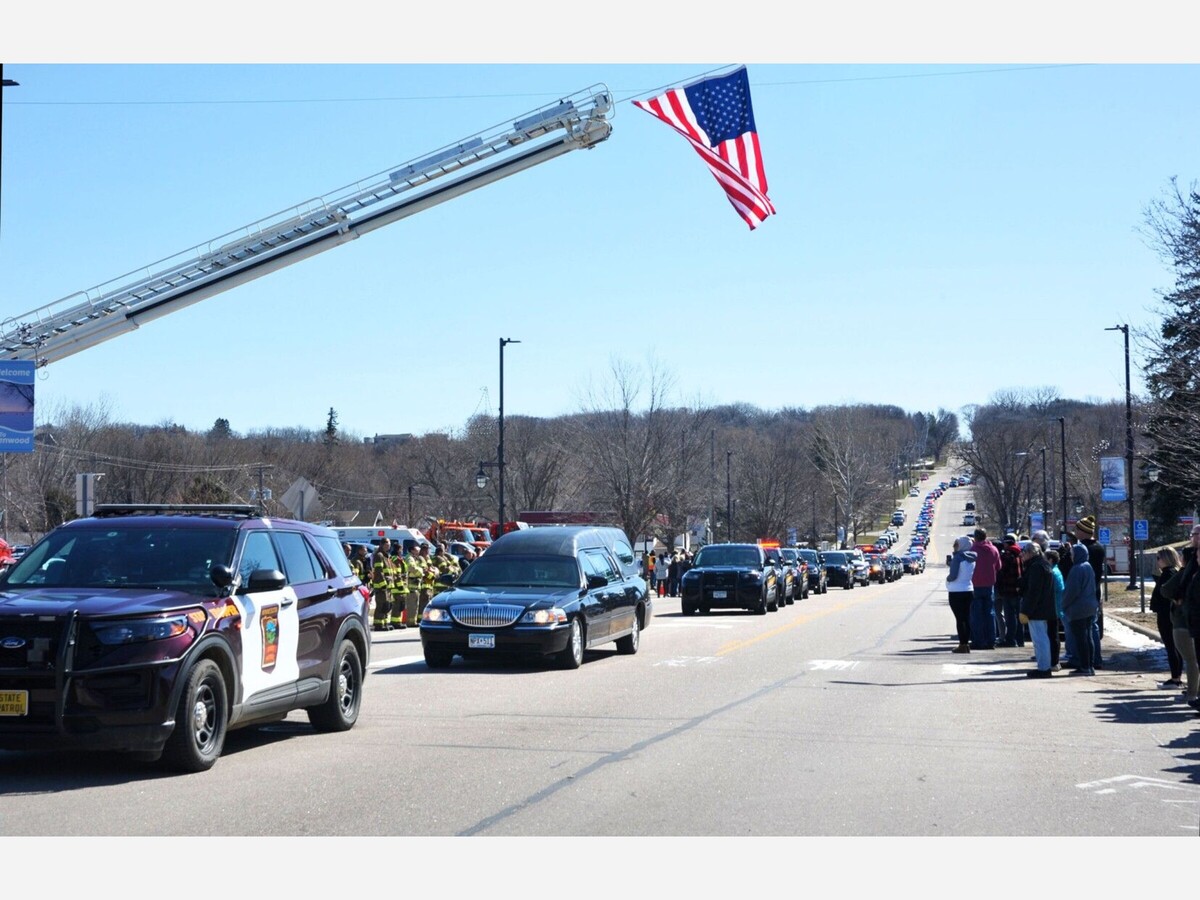
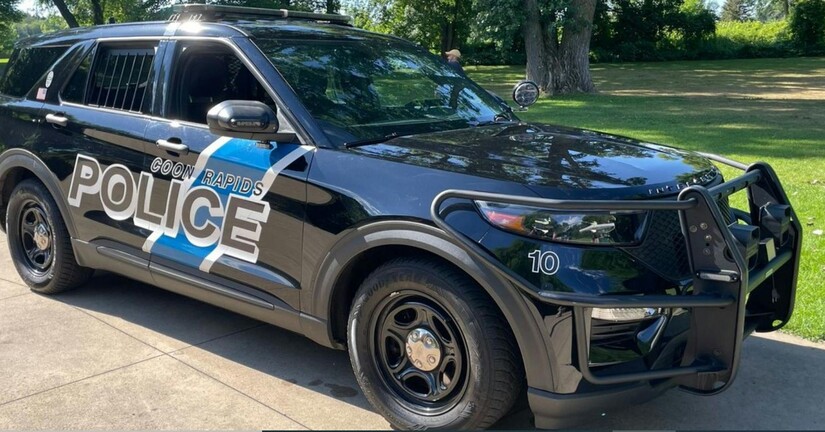
Under a bright March sky, squad cars from the Coon Rapids Police Department rolled slowly in formation, lights flashing in ceremonial salute. Officers stepped out to honor a man whose life spans a century of American history.
George, a retired lieutenant from the Minneapolis Police Department, turned 100 this week.
He served in the department’s Narcotics Unit from 1956 to 1981.
The Coon Rapids Police Department described the event as a “joyful celebration,” sharing photos and video of the special procession on its official Facebook page.
It was not merely a birthday.
It was a salute to an era.
When George joined the Minneapolis Police Department in 1956, policing in America looked radically different.
Patrol cars were becoming standard, but fixed call boxes were still used for communication. Narcotics enforcement was a smaller, specialized function often tied to vice investigations. Federal drug policy was shaped by the Boggs Act of 1951 and the Narcotics Control Act of 1956, which imposed strict mandatory minimum sentences.
By 1970, as George rose through the ranks to lieutenant, the landscape shifted again.
The Comprehensive Drug Abuse Prevention and Control Act of 1970 created the drug “scheduling” system still used today and marked the beginning of a new federal enforcement framework that would define the 1970s and beyond.
George’s career spanned that transformation.
The Minneapolis of 1956 was not the Minneapolis of 1981.
During those twenty-five years:
The Minneapolis Police Department itself, founded in 1867, underwent institutional shifts reflecting broader national trends in police training, specialization, and public scrutiny.
George stood inside that evolution.
When George retired in 1981, Coon Rapids was emerging as a major North Metro suburb.
In 1950, Coon Rapids’ population was approximately 600. By 1980, it had surged to more than 35,000 residents as highways such as I-94 and I-35W accelerated suburban growth across Anoka County.
Like many retired Minneapolis civil servants of his generation, George made his home in the growing suburbs. What was once farmland became neighborhoods, schools, parks, and thriving community corridors.
His move mirrored Minnesota’s demographic transformation.
Born in 1926, George belongs to the generation shaped by the Great Depression and World War II. He came of age as America expanded economically and geographically, and he joined public service during the postwar institutional boom.
Turning 100 in 2026 means George has lived through:
Few residents carry such a living archive of civic change.
The Coon Rapids Police Department concluded its tribute simply:
“Happy Birthday George.”
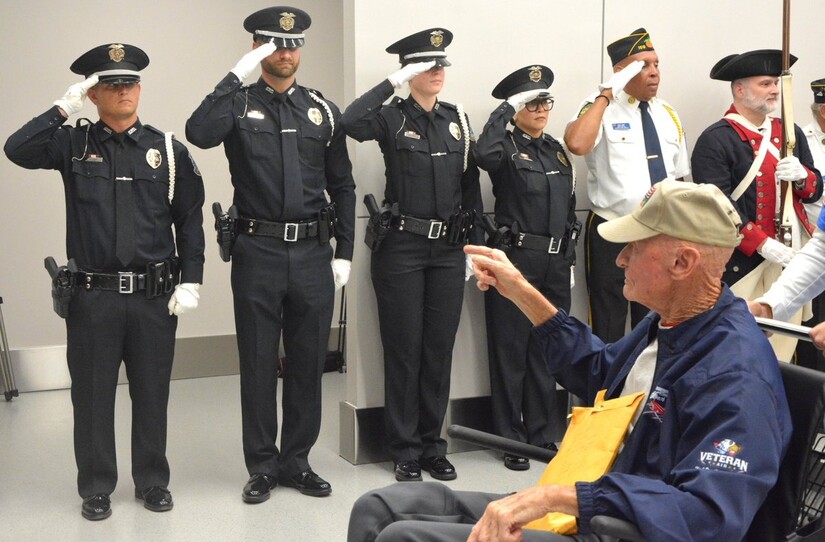
For the officers who lined the street, the procession was about respect. For the community, it was about continuity. For George, it was recognition that a lifetime of service still matters.
A century is rare.
A century rooted in public service is rarer still.
And in Coon Rapids this week, flashing lights were not signaling urgency.
They were signaling gratitude.


Moderate rain, with a high of 63 and low of 50 degrees. Don't forget your umbrella! Overcast during the morning, thundery outbreaks in nearby in the afternoon, clear overnight.