69° and Partly Cloudy
Image



MINNEAPOLIS, MN
Minnesota state officials are preparing for a volatile weekend in Minneapolis as dueling demonstrations are expected to converge downtown against the backdrop of an unprecedented federal immigration operation, a fatal shooting involving an ICE agent, and rising political rhetoric that has drawn national attention to the city.
The Minnesota Department of Public Safety confirmed Friday that multiple state and regional law enforcement agencies will be deployed across Minneapolis to support local police and protect the public, while emphasizing that peaceful protest remains a constitutional right and a civic responsibility.
Public Safety Commissioner Bob Jacobson said state authorities are committed to safeguarding demonstrators and residents alike, but warned that violence, property damage, or threats to public safety will not be tolerated.
“We recognize and understand the deep concern and grief that so many in our community and across the country are feeling,” Jacobson said during a Friday afternoon briefing. “Demonstrations involve strong emotions and deeply held beliefs, and it is critical that those voices are expressed safely so they can be heard.”
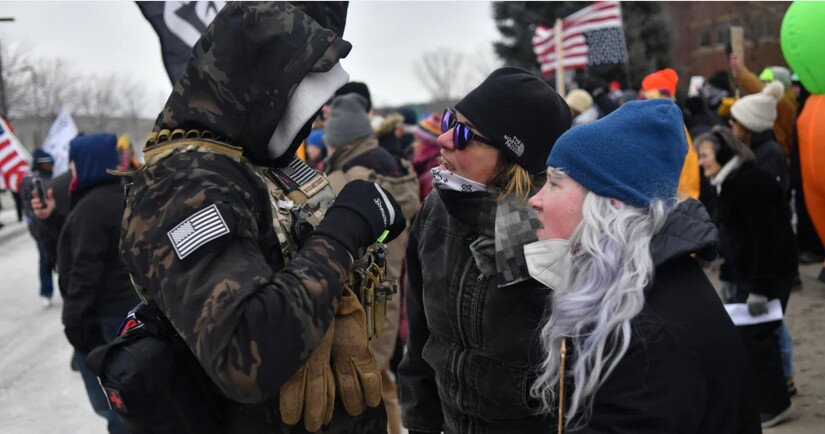
The unrest stems from a month-long standoff between federal immigration authorities and Minnesota leaders following the launch of Operation Metro Surge, a large-scale enforcement initiative announced in December 2025. The operation brought more than 2,000 federal agents from Immigration and Customs Enforcement and Customs and Border Protection into the Twin Cities region for expanded immigration actions.
Tensions escalated sharply on January 7, 2026, when Renee Nicole Good, a 37-year-old U.S. citizen and mother of three, was fatally shot by an ICE agent during an enforcement operation on Portland Avenue in South Minneapolis. Her death sparked immediate protests and renewed scrutiny of federal immigration tactics.
A second incident on January 14, in which federal agents shot and wounded a man they said attacked them with a shovel and broom handle, further inflamed public anger and deepened fears of escalating violence.
Minnesota political leaders moved quickly to condemn the scale and conduct of the federal operation. Tim Walz and Jacob Frey criticized what they described as aggressive and destabilizing enforcement, while Attorney General Keith Ellison labeled the operation a “federal invasion.” The American Civil Liberties Union has since filed a class-action lawsuit alleging racial profiling and warrantless stops by federal agents.
State officials are now tracking two opposing movements expected to draw large crowds on Saturday and Sunday.
The first is a rally promoted as the “March Against Minnesota Fraud,” organized by far-right activist Jake Lang, a Republican candidate for U.S. Senate in Florida and a participant in the January 6, 2021, attack on the U.S. Capitol. Lang has used the social media platform X to urge supporters he calls “Christian Crusaders” to travel to Minnesota in support of ICE agents and to demand the arrest of Governor Walz.
Lang has alleged billions of dollars in social service fraud within Minnesota’s Somali community, claims that state and local officials say are unsubstantiated and dangerously inflammatory. The rally is scheduled to begin at Minneapolis City Hall on Saturday afternoon. Community leaders have expressed concern that participants could attempt to move into the Cedar-Riverside neighborhood or toward the University of Minnesota’s West Bank campus, areas with large immigrant and student populations.
Opposing the rally are counter-demonstrations organized under the banner “ICE Out for Good.” Local activist groups, supported by national organizations including Indivisible, say their protests are intended to honor Renee Good’s life and demand the immediate withdrawal of federal agents from Minnesota. Earlier demonstrations this week drew thousands of participants and led to nearly 30 arrests after incidents involving property damage and thrown objects.
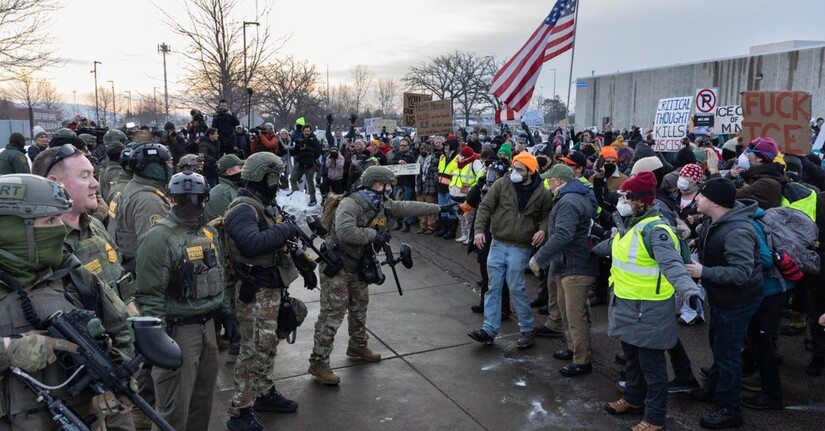
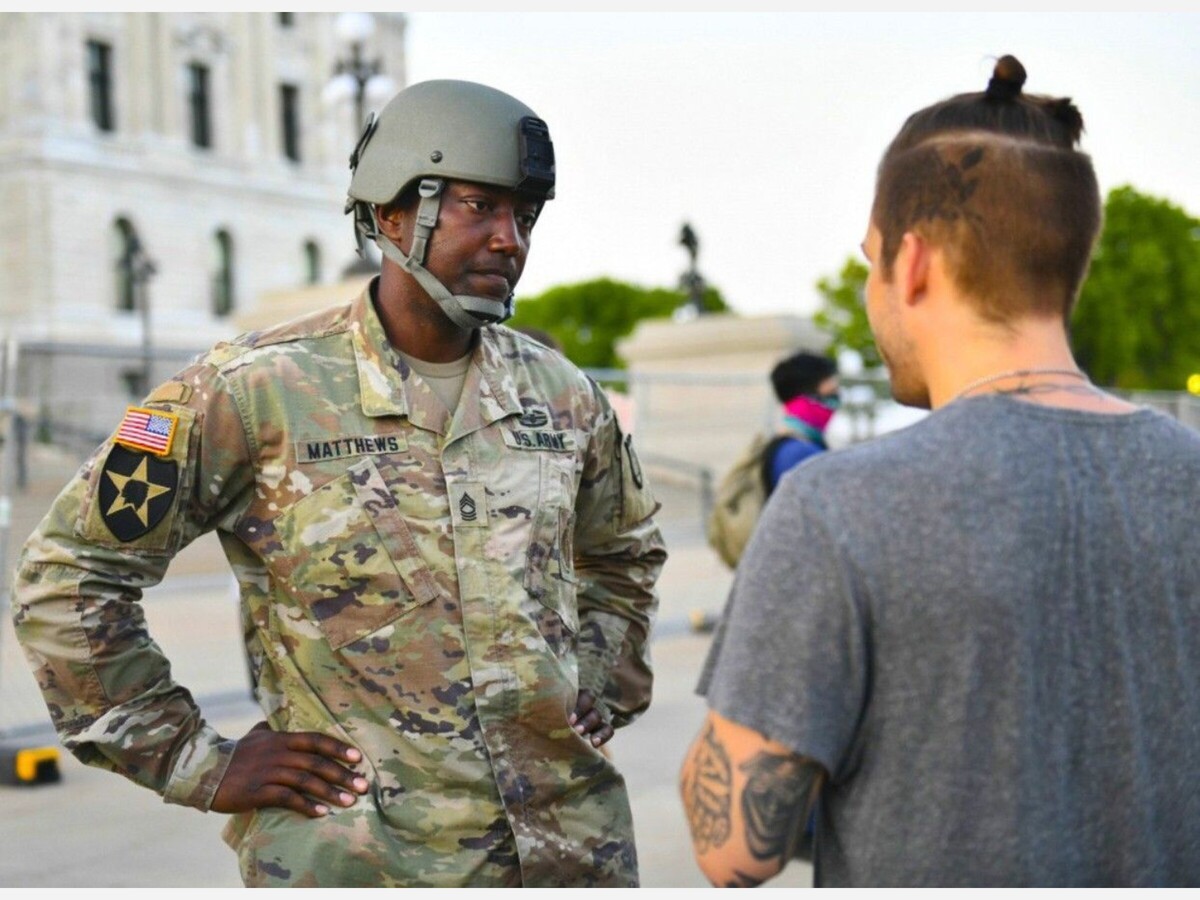
To prevent the city from becoming what Jacobson described as a potential battleground, the state has authorized a sweeping, coordinated law enforcement posture. The Minnesota State Patrol, Minnesota National Guard, Department of Natural Resources, Metro Transit Police, and University of Minnesota Police Department will all support the Minneapolis Police Department, which will serve as the primary responding agency.
The National Guard remains on standby, while state troopers and additional officers are patrolling downtown, Cedar-Riverside, and areas surrounding the University of Minnesota campus. Minneapolis police officials said they are closely monitoring locations that could become flashpoints.
The stakes extend beyond Minneapolis. President Donald Trump has publicly threatened to invoke the Insurrection Act of 1807 and deploy active-duty military forces if state and local officials fail to maintain order, raising the specter of federal military intervention in a major American city.
City officials announced that Minneapolis City Hall will be closed to the public on Saturday, with protests restricted to exterior public spaces. While no pre-emptive road closures are planned, authorities warned that streets could be closed quickly if crowds move toward residential neighborhoods or critical infrastructure.
Community leaders have also urged residents, particularly those in immigrant communities, to carry identification amid reports of heightened federal questioning during enforcement operations.
As Minneapolis braces for the weekend, state leaders are urging restraint, vigilance, and respect for constitutional rights. Whether the city becomes a national example of peaceful civic expression or a symbol of deepening political fracture may depend on what unfolds in the coming days.

Sunny, with a high of 82 and low of 54 degrees. Sunny in the morning, clear in the afternoon and evening,