46° and Clear
Image



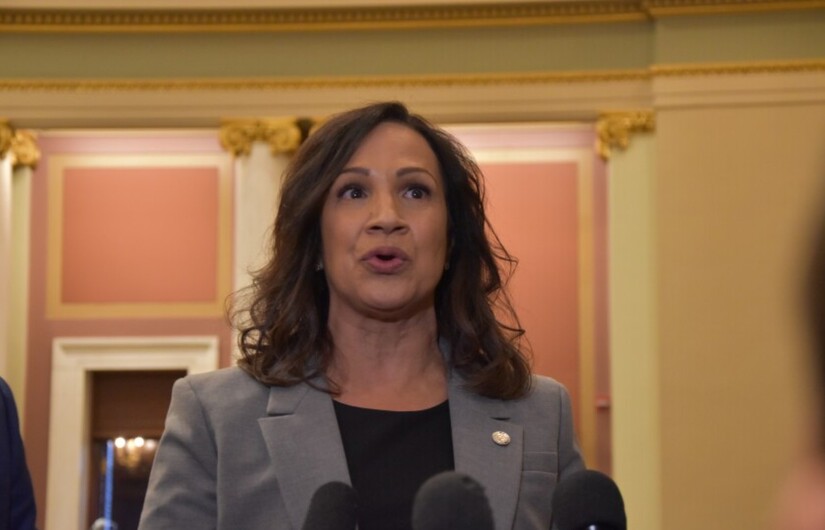
At a Capitol news conference, House Speaker Lisa Demuth, R Cold Spring, outlined what Republicans are calling a “North Star Comeback” agenda, centered on fighting fraud, expanding school safety measures, resisting tax increases, and placing firm conditions on any new state bonding bill.
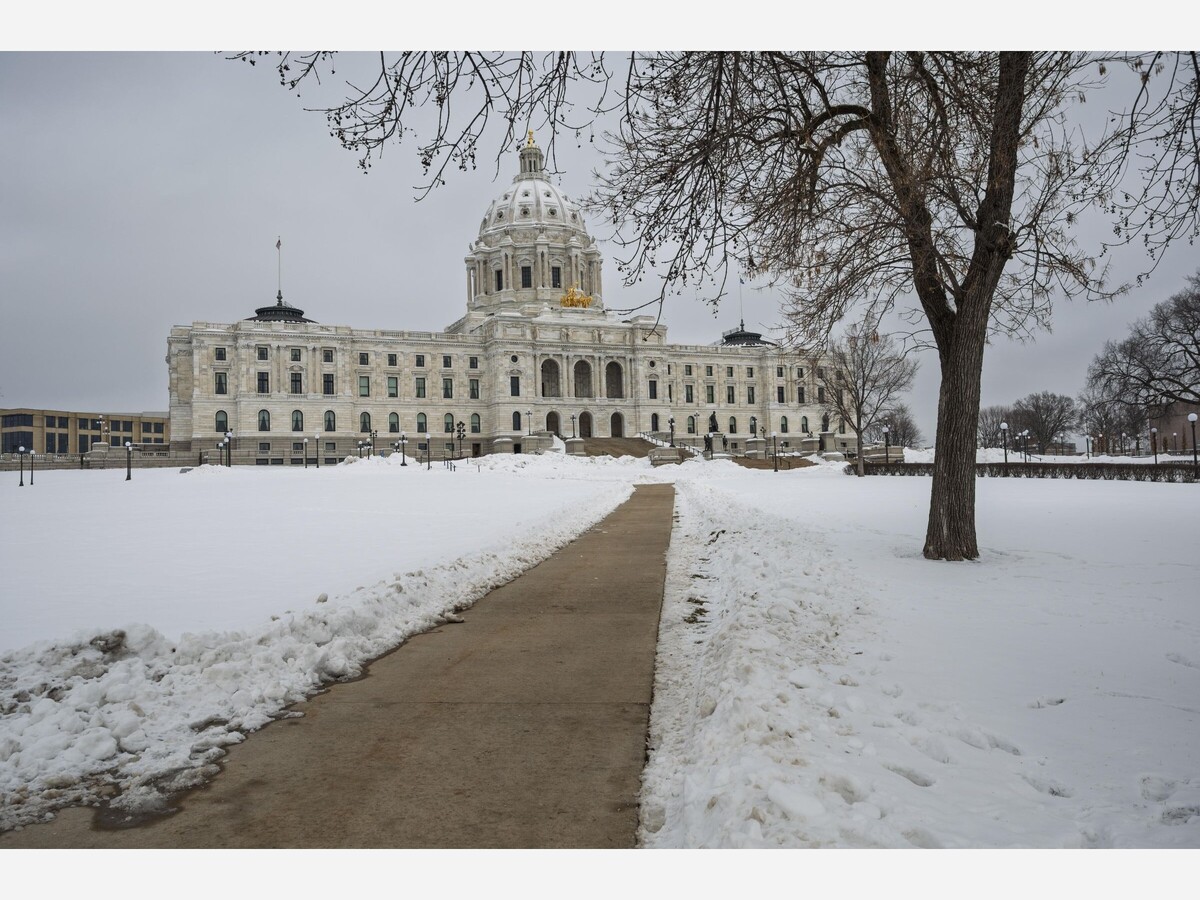
The session opens against a complicated fiscal backdrop. According to Minnesota Management and Budget, the state is projected to end the current FY 2026–27 biennium with a $2.465 billion surplus, but faces a projected $2.96 billion structural deficit in FY 2028–29, driven largely by spending growth and rising health care costs.
Demuth called the looming deficit a consequence of what she describes as overspending during the 2023–24 Democratic-Farmer-Labor trifecta. “Tax increases are off the table,” she said, arguing that Minnesotans are already carrying too much of the burden.
The Republican caucus has made HF 1, the proposed Office of Inspector General bill, its signature opening salvo. Sponsored by Rep. Patti Anderson, the legislation would create an independent Office of Inspector General empowered to investigate fraud, waste, and abuse in state-funded programs.
The proposal follows a string of high-profile cases, most notably the sprawling federal prosecution of the Feeding Our Future fraud case, widely described by federal authorities as the largest pandemic-related fraud scheme in the country. Lawmakers have also cited scrutiny of Minnesota’s Housing Stabilization Services program as evidence of systemic vulnerabilities.
House Republicans argue that existing agencies lack sufficient independence to police themselves. An earlier Senate version of an inspector general proposal advanced with bipartisan support but did not reach final passage in the House last year.
The new session offers Republicans another attempt to establish a permanent watchdog.
In parallel, GOP leaders are reviving proposals aimed at strengthening school security. That includes expanding school security grants and advocating funding to place School Resource Officers in more buildings statewide. Republicans have previously advanced measures such as the SHIELD Act, which would support infrastructure upgrades and staffing.
The push stands in contrast to DFL priorities in recent sessions, which have focused more heavily on gun control legislation, including restrictions on high-capacity magazines.
With the House closely divided under a power-sharing arrangement, both sides will need cross-party cooperation to move major policy changes.
The immediate numbers tell two stories.
In the near term, Minnesota’s balance sheet remains positive. MMB’s most recent forecast shows a multi-billion-dollar surplus for the current biennium, buoyed by stronger-than-expected revenue collections and economic resilience.
But in the out years, the picture darkens. For FY 2028–29, MMB projects a structural shortfall approaching $3 billion, a gap largely attributed to rising health care costs and ongoing spending growth.
Demuth has seized on that future deficit to argue against any tax increases this session. She has described new taxes as “non-starters,” contending that Minnesotans are already overtaxed following approximately $10 billion in tax and fee increases enacted during the 2023–24 session.
Instead, House Republicans are pushing for federal tax conformity measures, including proposals often described as “no tax on tips” and “no tax on overtime,” aligning state treatment with certain federal provisions.
A new February budget forecast, due in the coming weeks, will provide updated projections that could influence negotiations.
The uncertainty extends to Minnesota’s capital investment bill, commonly referred to as the bonding bill. Because bonding requires a three-fifths supermajority in each chamber, bipartisan cooperation is not optional.
Last session, lawmakers approved a roughly $700 million bonding package focused on transportation and water infrastructure. But many local projects remain on hold, awaiting future appropriations.
Demuth signaled that Republican votes cannot be assumed this year. Support, she indicated, will depend on whether any proposed bill focuses on what Republicans describe as essential infrastructure rather than projects they view as “pork-barrel” spending.
“Our state doesn’t have money right now,” she said, emphasizing that updated budget numbers will shape whether a bonding deal is realistic.
The 2026 session begins with a closely divided House and a divided Capitol overall, conditions that historically force compromise or stalemate.
For now, House Republicans are drawing early boundaries: create an independent fraud watchdog, expand school safety measures, hold the line on taxes, and approach bonding with caution.
The question hanging over the marble corridors of the Capitol is whether those red lines become law or become leverage in the larger negotiation to come.
As the gavel fell on opening day, one thing was clear: Minnesota’s next budget debate has already begun, and both its surplus and its deficit are shaping the script.

Sunny, with a high of 73 and low of 46 degrees. Sunny in the morning, clear overnight.