63° and Moderate rain at times
Image




By official measurements compiled by the National Weather Service, approximately 8.2 inches of snow fell in Coon Rapids on Sunday, March 15, 2026, the result of a powerful late-season winter system that moved into Minnesota from the Rockies. While the final totals came in below some early projections of double-digit accumulation, the storm still produced heavy snowfall rates, periods of reduced visibility, and widespread impacts across the Twin Cities metropolitan area.
For the city’s Public Works Department, the response began before dawn.
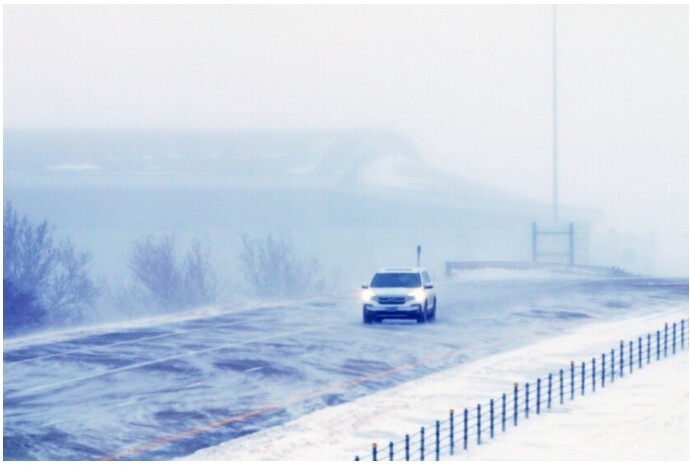
Meteorologists described the storm as a Colorado low, a winter weather system that forms east of the Rocky Mountains and often strengthens as it moves into the Upper Midwest.
As the storm intensified early Sunday, the National Weather Service reported snowfall rates between one and two inches per hour during the morning peak, quickly covering streets and sidewalks throughout the north metro.
Across southern Minnesota, the storm produced far larger totals. Communities such as Reads Landing and Zumbro Falls recorded snowfall exceeding 20 inches, among the highest totals in the state.
Coon Rapids avoided those extremes, but the eight-inch accumulation was still enough to trigger full municipal snow operations, which city officials say are typically initiated whenever snowfall reaches roughly three inches.
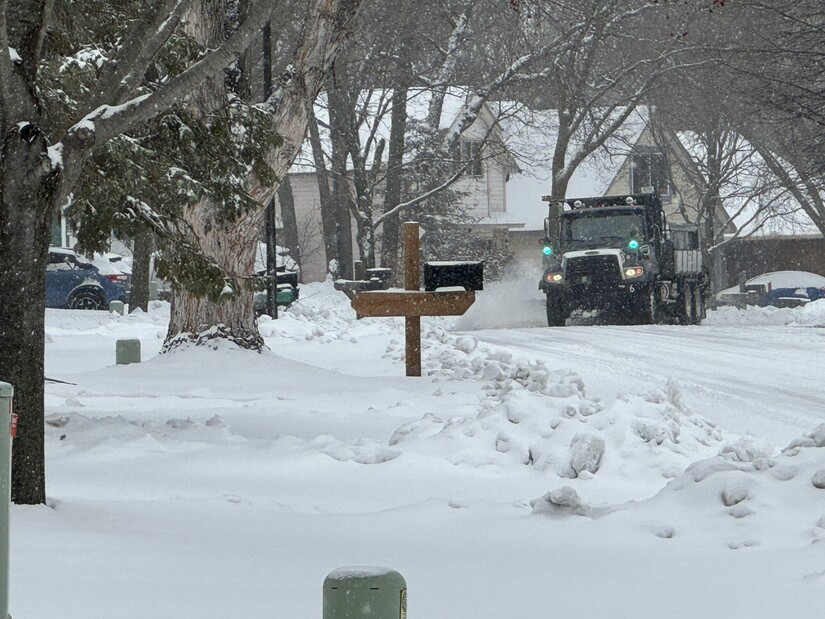
Public Works crews began plowing operations early Sunday morning, concentrating first on primary routes and arterial streets to maintain passable travel lanes for emergency vehicles and commuters.
By mid-day, plow drivers had spent hours pushing heavy snow off major corridors while preparing for the more time-intensive work that follows every large storm in Minnesota’s suburban communities.
According to the city, plowing on Sunday continued until approximately 3 p.m., when crews temporarily paused before returning overnight to begin the next phase.
At 4:30 a.m. Monday morning, Coon Rapids launched what the city calls a “Full Plow.”
This operation expands snow removal beyond major roads to include all residential streets and cul-de-sacs cleared curb to curb, a process that can take many hours given the complexity of neighborhood street layouts.
Coon Rapids maintains more than 400 lane miles of roadway and hundreds of cul-de-sacs, making snow removal one of the largest and most labor-intensive municipal operations conducted during the winter months.
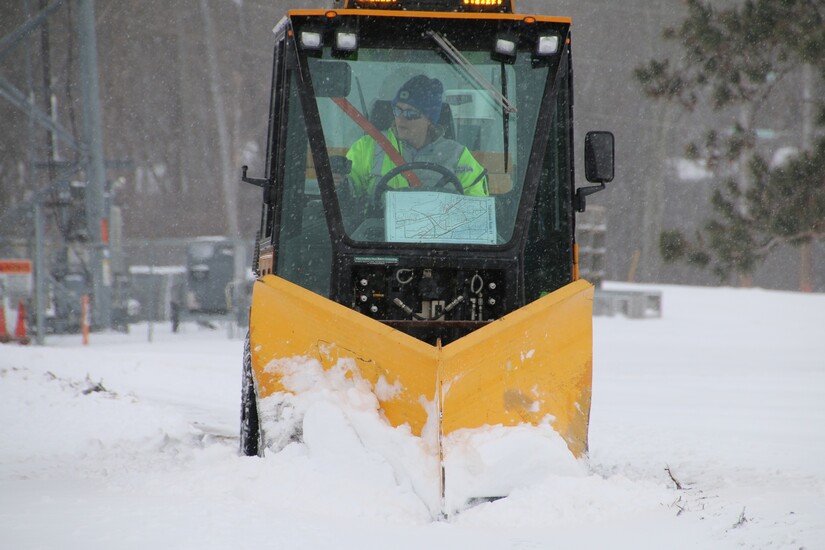
Once streets are cleared, crews shift their attention to pedestrian infrastructure.
Under city policy, municipally maintained sidewalks and trails are typically cleared within about 48 hours after the full plow is completed, depending on weather conditions and equipment availability. These routes include pathways connecting schools, parks, and key neighborhood corridors.
In northern suburbs like Coon Rapids, where winter conditions can linger well into March, maintaining these routes is considered essential for both safety and accessibility.
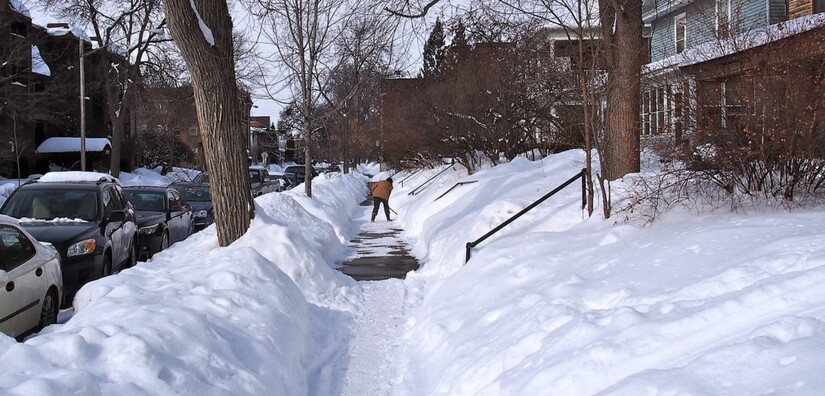
As plows move through neighborhoods, city officials are reminding residents that cooperation plays a major role in how quickly streets can be cleared.
Under Coon Rapids City Code 9-120, parking is prohibited on any public street during or after snowfall of three inches or more until the street has been cleared curb to curb. In addition, the city’s seasonal overnight parking restriction remains in effect from 2 a.m. to 6 a.m. through April 1.
Vehicles left on the street during plowing operations can block equipment and prevent crews from pushing snow fully to the curb, often forcing plow drivers to return later to complete the job.
Residents are also asked to remove garbage and recycling bins from the street, keeping them behind the curb and out of the plow path. Items placed in the roadway right-of-way can be damaged during plowing operations.


City officials are also urging residents to take a few minutes to clear snow from nearby fire hydrants.
Providing at least three feet of clearance around hydrants can significantly improve emergency response times. After heavy storms, hydrants are often buried beneath snowbanks, making them difficult for firefighters to locate during emergencies.
Another important rule involves where snow can be placed.
Under Minnesota Statute 169.42, it is illegal to plow, shovel, or blow snow from private driveways onto public streets. The practice can create frozen ridges that are hazardous for drivers and can interfere with snowplow equipment attempting to clear the road.
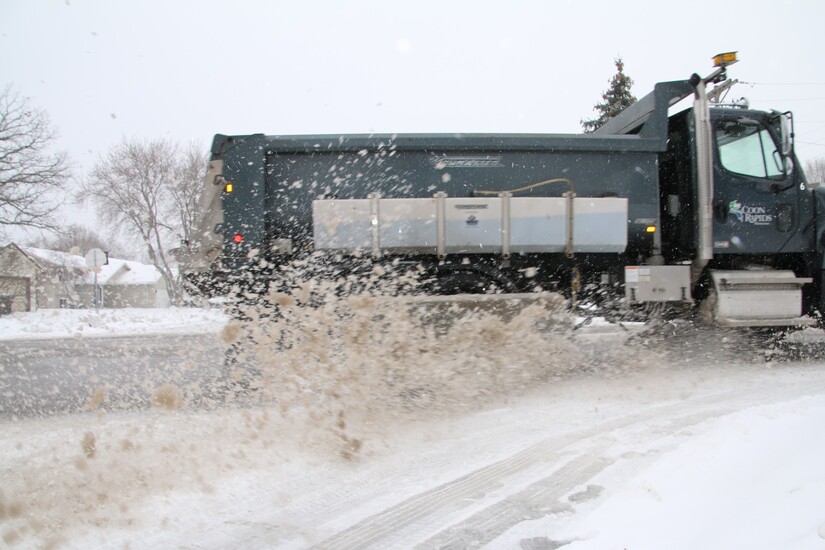
Storms like the one that passed through the Twin Cities this weekend are a familiar part of life in Minnesota, where winter storms can arrive well into early spring.
For cities like Coon Rapids, each storm activates a carefully coordinated response that begins with weather forecasts, continues with overnight plowing shifts, and ends only when streets, sidewalks, and cul-de-sacs are restored to safe conditions.
For residents watching plow lights pass their homes before sunrise Monday morning, the message from city officials remains simple.
Give plows space. Keep streets clear. And allow the crews time to finish the work that keeps the city moving through another Minnesota winter.
Residents seeking updated snowfall totals can view the National Weather Service snowfall map, while city snow removal updates are available through the Coon Rapids Snowplow Hotline at 763-755-2880 (option 3).
MinneapoliMedia
Community. Culture. Civic Life.



Sunny, with a high of 80 and low of 57 degrees. Sunny during the morning, clear overnight.