53° and Light drizzle
Image



Washington, D.C.
On March 13, 2026, the national nonprofit policy network State Futures announced the launch of two new tools intended to help state lawmakers coordinate responses to federal immigration enforcement policies that have increasingly become flashpoints in American political life.
The initiatives, known as the Federal Response Coalition and the Federal Response Bill Tracker, are designed to connect lawmakers across state lines while giving the public a clearer view of a rapidly expanding body of legislation responding to federal immigration actions.
State Futures says the coalition already includes nearly 100 legislators from 33 states, forming what the organization describes as an infrastructure for states to collaborate on defending civil liberties and asserting state oversight authority when federal enforcement operations occur within their borders.
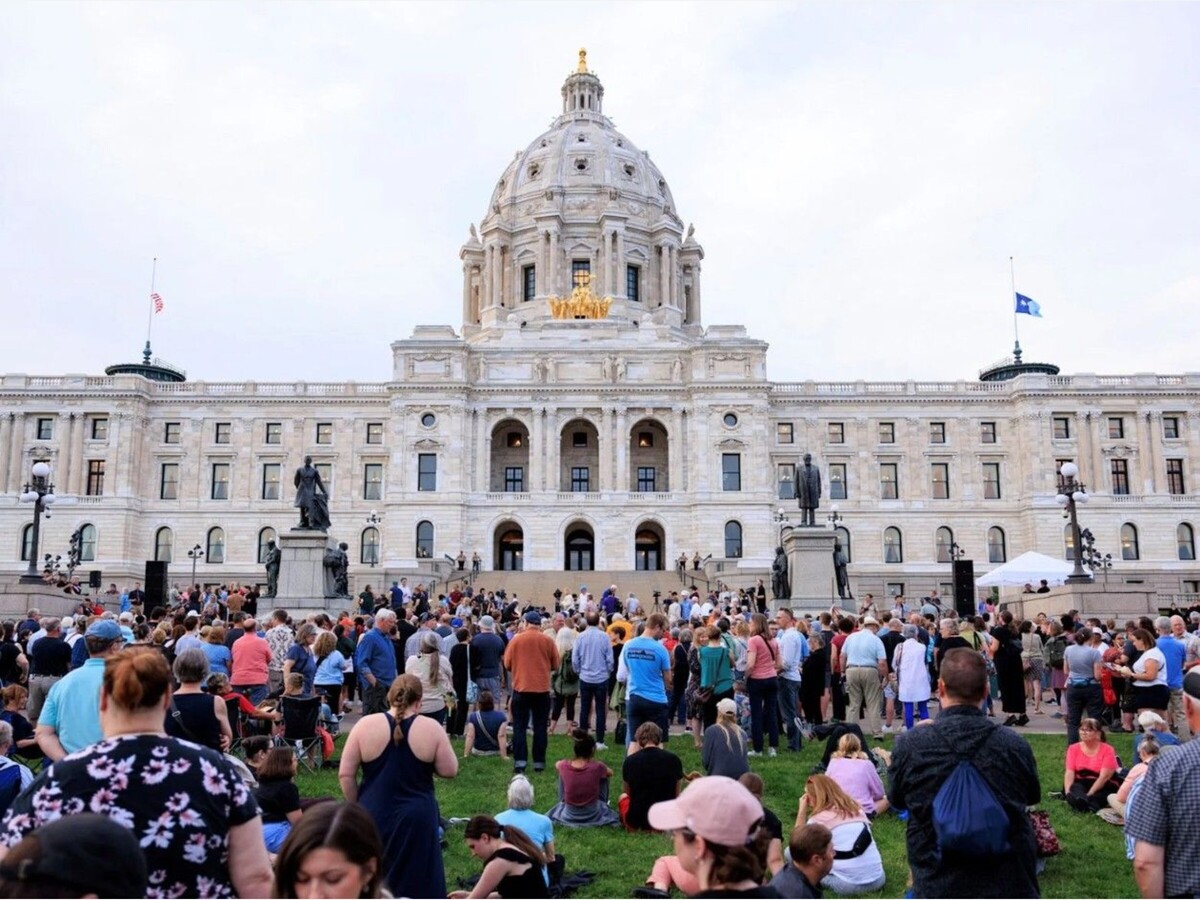
The launch comes at a moment when tensions between federal immigration authorities and state governments have intensified, particularly after two fatal incidents in Minneapolis earlier this year involving federal immigration agents.
The Federal Response Coalition was created to provide a structured forum where state legislators can coordinate strategies and share legislative frameworks.
According to State Futures, coalition members are working to respond to what they characterize as aggressive federal enforcement tactics and potential violations of civil liberties tied to immigration operations conducted by agencies such as U.S. Immigration and Customs Enforcement and U.S. Customs and Border Protection.
Lawmakers participating in the coalition represent states including California, Illinois, Maryland, New York, and Minnesota, among others.
Participants say the coalition will function as a policy exchange network, allowing legislators to circulate “playbooks” outlining how states can exercise authority through:
The initiative reflects a broader trend in which state legislatures increasingly attempt to shape how federal immigration policies play out locally.
Alongside the coalition, State Futures has also launched the Federal Response Bill Tracker, a publicly accessible database cataloging immigration-related legislation emerging in state legislatures nationwide.
The tracker currently follows more than 200 active bills across 31 states, reflecting what analysts describe as one of the most significant bursts of state-level legislative activity on immigration policy in recent years.
According to the organization, the database monitors legislation that includes measures to:
Supporters argue these proposals seek to clarify state authority and ensure transparency. Critics, however, say some measures could complicate cooperation between federal and local agencies.
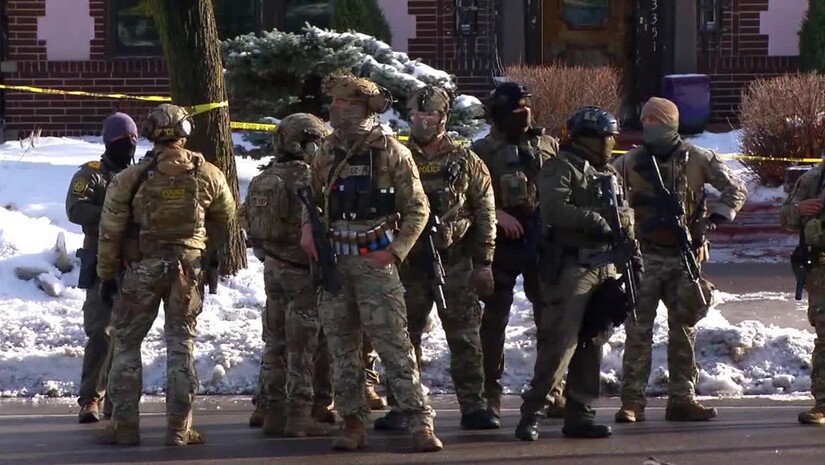
The urgency surrounding the coalition’s launch is closely tied to the deaths of two civilians earlier this year in Minneapolis.
The incidents involved Renée Good, a 37-year-old mother and artist, and Alex Pretti, a 37-year-old intensive care nurse working at a Veterans Affairs medical center.
|
Victim |
Date |
Reported Circumstances |
|
Renée Good |
January 7, 2026 |
Reportedly shot by an ICE officer while observing federal enforcement activity from her car in Minneapolis. |
|
Alex Pretti |
January 24, 2026 |
Shot by federal agents while filming enforcement activity and attempting to assist a woman during a confrontation. |
Both deaths triggered protests and renewed scrutiny of federal immigration enforcement tactics.
Initial statements from federal officials suggested the individuals posed potential threats. However, video analyses and reporting by multiple international and national outlets later indicated that both victims were unarmed at the time of the shootings, intensifying public debate and calls for accountability.
The incidents became rallying points for lawmakers advocating stronger oversight of federal enforcement activities within their states.
Immigration enforcement remains primarily a federal responsibility under U.S. law. Yet the aftermath of the Minneapolis shootings has reignited a long-running constitutional debate over the balance between federal authority and state power.
Across the country, lawmakers have introduced bills aimed at clarifying the limits of federal operations within their jurisdictions. Some proposals focus on transparency and civil rights protections, while others seek to expand cooperation with federal authorities.
State Futures argues that its new tools are intended to bring structure and visibility to this emerging policy landscape.
By linking lawmakers and tracking legislation in real time, the organization says it hopes to create a clearer national picture of how states are responding to immigration enforcement practices that have become deeply contested.
The creation of the Federal Response Coalition and its accompanying bill tracker signals that immigration policy debates are no longer confined to Washington.
Instead, they are increasingly unfolding in statehouses across the country, where legislators are experimenting with ways to assert influence over federal enforcement practices.
Whether those efforts ultimately reshape the relationship between state governments and federal immigration authorities remains uncertain.
What is clear, however, is that the events in Minneapolis earlier this year have accelerated a national conversation about accountability, civil liberties, and the limits of federal power.
For lawmakers participating in the coalition, the message is that states intend to play a far more active role in that debate.
MinneapoliMedia
Community. Culture. Civic Life.



Overcast, with a high of 66 and low of 56 degrees. Overcast during the morning, clear in the afternoon and evening, patchy rain nearby overnight.