63° and Moderate rain at times



Image
Cars will begin lining up in the parking lot at the intersection of Third Street East and Flandrau Street. Volunteers will move with practiced coordination. Boxes will be lifted, sorted, and passed hand to hand. And for a few hours, a system built on urgency, trust, and care will take shape.
On Monday, March 23, 2026, from 3:30 p.m. to 5:00 p.m., or until supplies are gone, a free food distribution will take place at St. Pascal Baylon Catholic Church. For many, it is a familiar date on the calendar. For others, it is a first stop in a moment of need.
This is not a one-time response. It is part of a verified, recurring monthly distribution, typically held on the fourth Monday of each month, anchored in a partnership between Merrick Community Services and the parish community of St. Pascal Baylon.
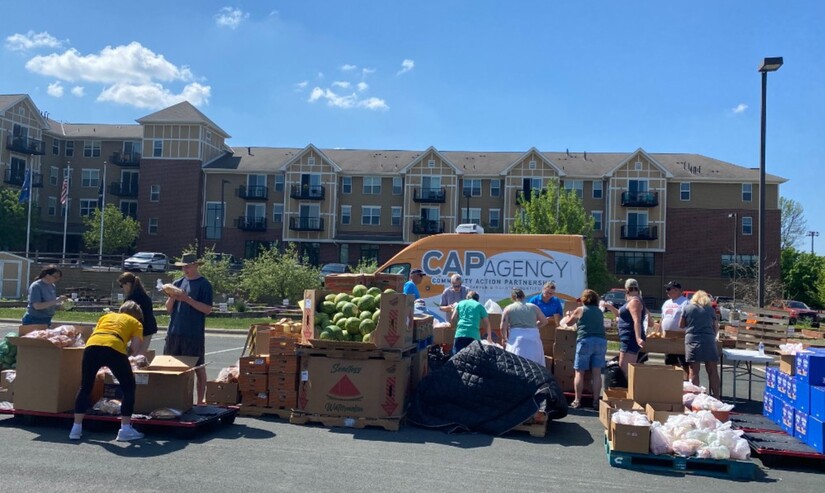
Food distributions are often framed as emergency responses. But on St. Paul’s East Side, this effort reflects something more structured and enduring.
Merrick Community Services, one of the oldest nonprofit social service agencies in Ramsey County, has spent decades building a model that goes beyond temporary relief. Its food shelf operates on a client-choice system, allowing families to select items that meet their cultural, dietary, and household needs. At satellite sites like St. Pascal’s, that model shifts into high-volume, efficient distribution, designed to serve as many households as possible in a limited window.
The goal is not simply to distribute food. It is to preserve dignity while doing so.
Merrick’s broader mission connects food access to a wider ecosystem of stability, including financial assistance, employment services, and family support programs. The organization serves residents across the East Side and Maplewood, areas where need is often present but not always visible.
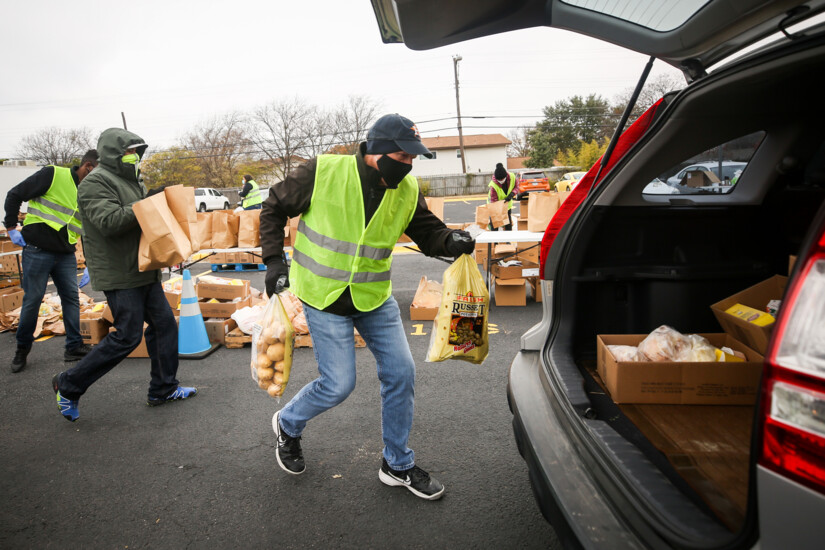
If Merrick provides the operational backbone, St. Pascal Baylon Catholic Church provides something equally critical: place, trust, and continuity.
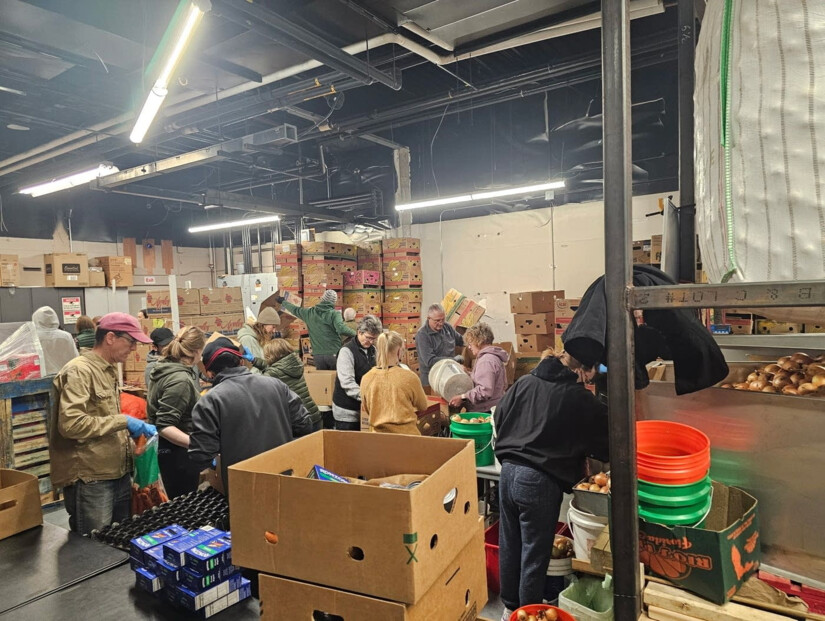
Through its Social Justice and Caring Committee, the parish has committed both funding and volunteer support to sustain the monthly distribution. The church’s contributions help ensure the event can serve approximately 60 families each month, a number that reflects both capacity and the persistent level of need in the surrounding community.
This March, that commitment extends further. The parish is conducting its annual March Food Drive, targeting items that are often scarce in traditional food systems but essential in many households:
These are not luxury items. They are the building blocks of culturally relevant meals, and their inclusion reflects a deeper understanding of what food security actually means.
The March 23 event is designed to be accessible, immediate, and barrier-free:
Attendees are directed to the main parking lot at Third Street East and Flandrau Street, where volunteers coordinate traffic flow and distribution.
The structure is simple. Its impact is not.
Across Minnesota, food insecurity continues to intersect with rising housing costs, inflation, and wage instability. While policy debates continue at the state and federal levels, efforts like this one operate in real time, meeting needs as they emerge.
But to describe this solely as a response to scarcity is to miss its full significance.
What happens on that parking lot each month is also an act of community infrastructure. A network of nonprofits, faith institutions, volunteers, and neighbors working in coordination, not for recognition, but for continuity. For the assurance that, at least for one day, access to food will not be a question.
For more information or assistance:
In a time defined by economic pressure and quiet uncertainty, this distribution stands as something steady.
Not a headline-grabbing intervention.
Not a temporary fix.
But a recurring promise, kept month after month, in a church parking lot on the East Side of St. Paul.
And for those who arrive, that promise is enough.
MinneapoliMedia
Community. Culture. Civic Life.



Sunny, with a high of 80 and low of 57 degrees. Sunny during the morning, clear overnight.