66° and Overcast
Image
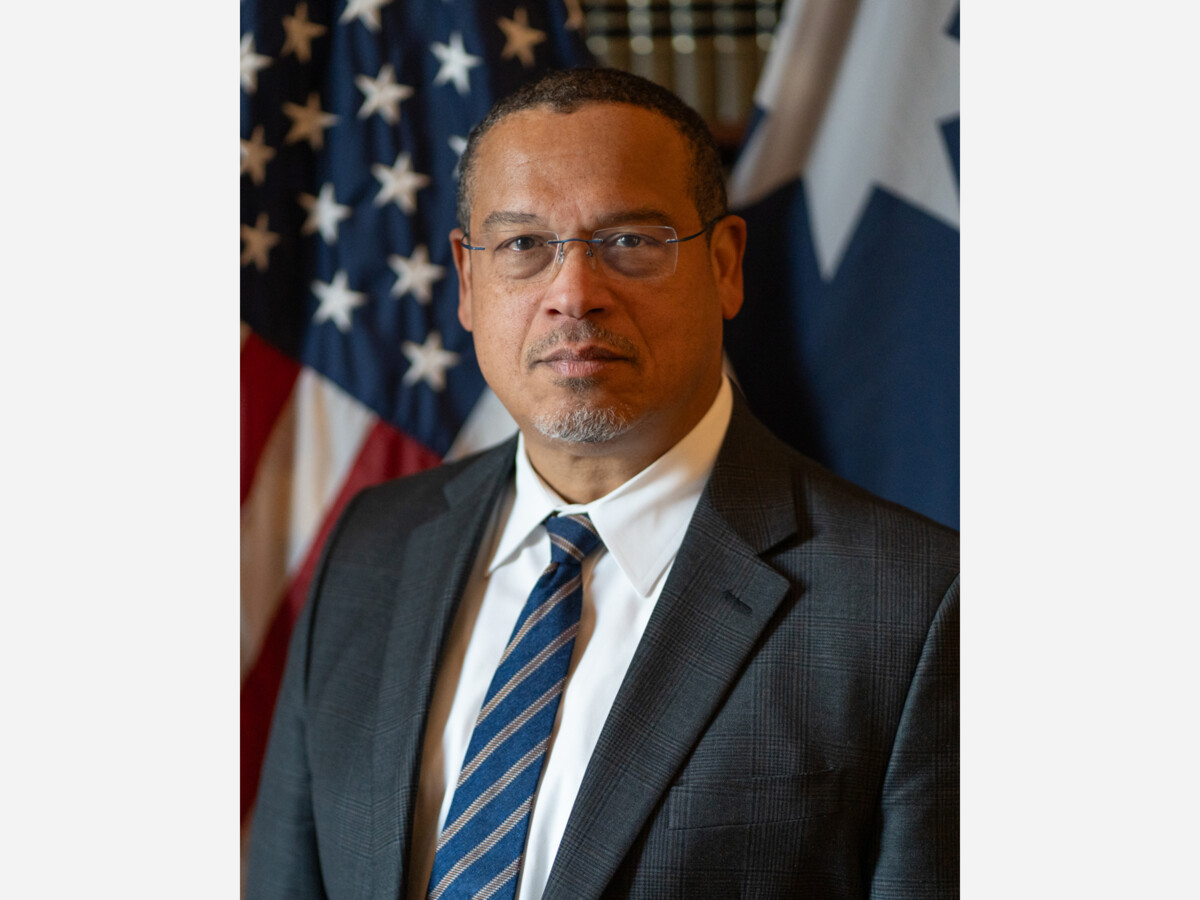



The ruling, delivered March 19 by Judge Mustafa Kasubhai of the U.S. District Court for the District of Oregon, represents a significant legal setback for the administration and a defining moment in an intensifying national conflict over transgender healthcare.
At issue was a December 18, 2025 declaration issued by U.S. Health and Human Services Secretary Robert F. Kennedy Jr., which labeled gender-affirming care for minors as “unsafe and ineffective.” The declaration warned that providers offering such care could face federal consequences, including exclusion from critical healthcare funding streams.
Minnesota joined a coalition of 21 states and the District of Columbia in challenging the policy days later, arguing that the federal government had attempted to impose sweeping medical standards without following the rulemaking process required under federal law.
From the bench, Judge Kasubhai indicated he would grant summary judgment in favor of the states and vacate the declaration. The court found that federal officials had failed to comply with the Administrative Procedure Act, which requires agencies to undergo a formal notice-and-comment process before implementing substantive policy changes.
The ruling also signaled that the federal government had overstepped its authority by attempting to influence medical practice through funding threats rather than lawful regulation.

For Minnesota, the impact is immediate.
In early February, Children’s Minnesota announced it would temporarily pause prescribing puberty-suppressing medications and hormone therapies for minors, citing growing federal pressure and uncertainty around funding. The pause underscored how rapidly federal policy signals were already reshaping care decisions on the ground.
With the court’s intervention, that legal pressure has now been lifted.
Ellison framed the decision as both a legal and human victory.
“Gender-affirming care is healthcare, and healthcare decisions should be left up to doctors, their patients, and if the patient is younger, their parents or guardians,” Ellison said in a statement. “I am pleased to have prevailed in my lawsuit to protect essential healthcare services that allow transgender individuals to be themselves and live with the same dignity that we all deserve.”
The case also reaffirms a central tension in American healthcare governance: who gets to define medical standards.
States argued successfully that regulating the practice of medicine falls within their authority and that clinical guidelines are established by professional bodies such as the American Medical Association and the Endocrine Society, not by federal declaration.
The court’s ruling aligns with that position, emphasizing that federal agencies cannot bypass statutory procedures or unilaterally redefine standards of care.
The broader political context remains volatile.
Since returning to office, President Donald Trump has issued multiple executive actions aimed at restricting federal recognition and support for gender-affirming care, including orders redefining sex at the federal level and limiting funding for certain medical treatments for minors.
Legal challenges to those policies are ongoing across multiple jurisdictions.
Minnesota, meanwhile, has positioned itself as a legal and policy counterweight. In 2023, the state enacted protections often referred to as “Trans Refuge” legislation, shielding patients and providers from out-of-state legal actions tied to gender-affirming care.
For now, the Oregon ruling preserves the status quo: gender-affirming care for minors remains legal in Minnesota, and healthcare providers cannot be penalized through federal funding mechanisms for offering it.
The Trump administration is expected to appeal the decision to the Ninth Circuit Court of Appeals, meaning the legal battle is far from over.
But in the immediate term, the court’s message is clear.
Federal agencies cannot use informal declarations to reshape medical practice, and they cannot leverage funding threats to compel compliance with policies that have not gone through the law.
For Ellison and the coalition of states, the ruling represents a decisive check on federal overreach and a reaffirmation of both state authority and patient access to care.
MinneapoliMedia
Community. Culture. Civic Life.



Patchy rain nearby, with a high of 66 and low of 53 degrees. Overcast in the morning, partly cloudy in the afternoon, clear in the evening, patchy rain nearby overnight.