63° and Moderate rain at times



Image
ST. PAUL, MN
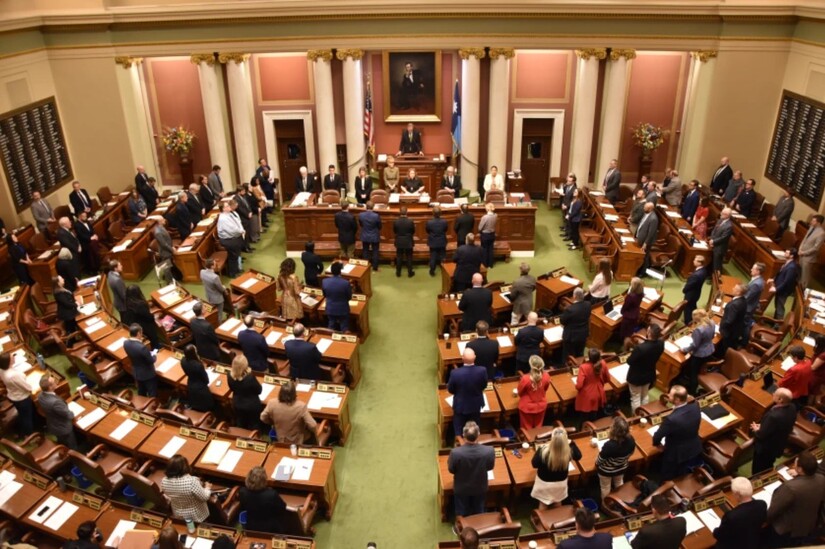
Inside Minnesota’s Capitol, where policy often moves at the pace of consensus rather than urgency, a quiet but consequential proposal is beginning to take shape around one of the state’s most persistent challenges: access to mental health care.
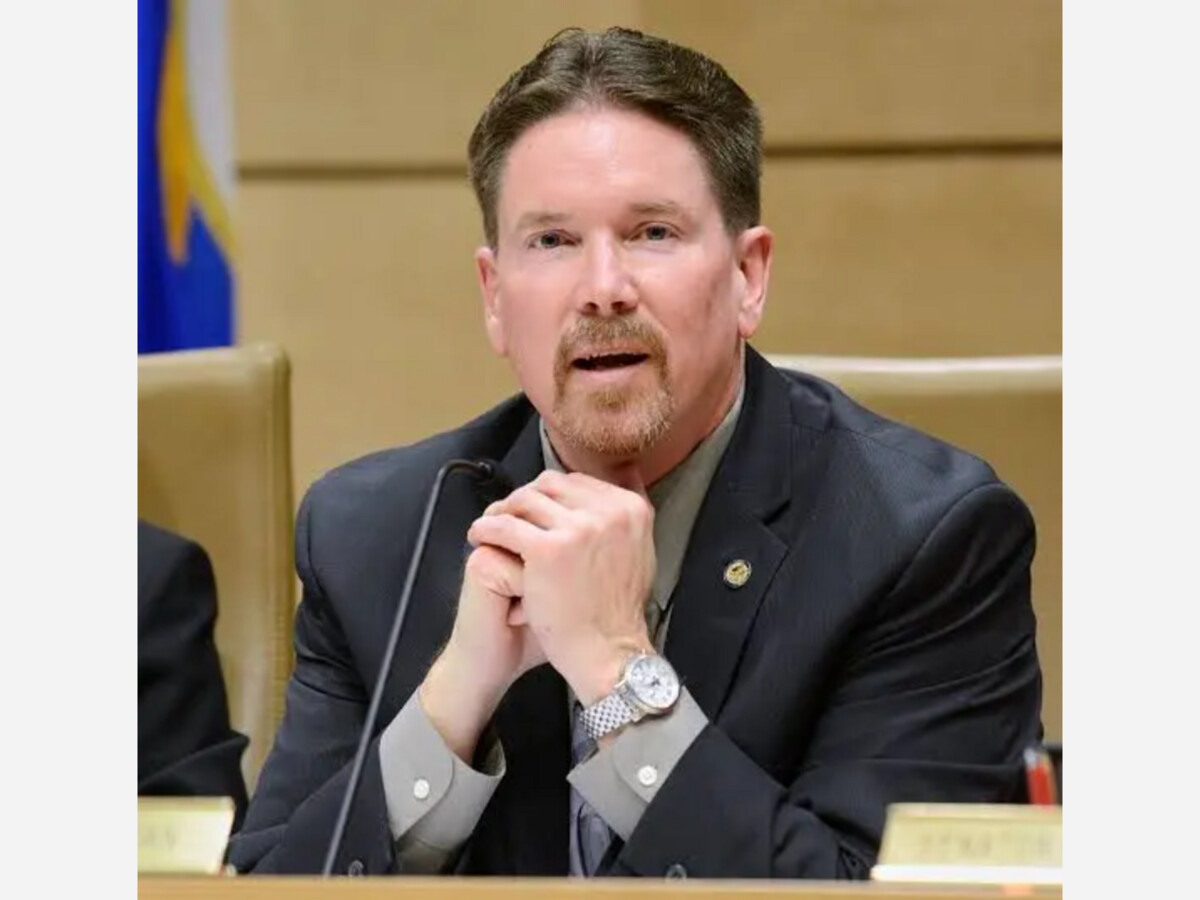
On March 23, 2026, Republican Senator Mark Koran of North Branch introduced Senate File 4746, legislation aimed at expanding the state’s mental health workforce by removing long-standing barriers that have limited the ability of licensed marriage and family therapists from other states to practice in Minnesota. The bill has since been referred to the Senate Health and Human Services Committee, where it is under active review and drawing early bipartisan interest.
At its core, the proposal reflects a recognition that Minnesota’s shortage of mental health providers is no longer an abstract policy concern. It is a lived reality across the state, particularly in rural communities, where families often face weeks or months of waiting for care that is both specialized and urgently needed.
Minnesota does not lack trained mental health professionals nationwide. What it lacks, increasingly, is the ability to bring them into the state quickly and efficiently.
Under current law, licensed marriage and family therapists seeking to relocate to Minnesota must navigate a licensing system that many providers and advocates describe as unnecessarily restrictive. Among the most cited barriers are a requirement that applicants demonstrate “equivalent” or “substantially similar” clinical experience to Minnesota’s standards, and in many cases, a de facto expectation that professionals have held licensure for multiple years before being eligible for reciprocity.
These requirements, critics argue, create friction at precisely the moment when the state needs flexibility.
Koran’s bill attempts to remove that friction.
The legislation restructures how Minnesota grants licensure by reciprocity for marriage and family therapists, shifting key standards from administrative rules into statute and replacing subjective thresholds with clearer, more direct criteria.
Under SF 4746, an out-of-state applicant would be eligible for a Minnesota license if they:
Notably, the bill eliminates two of the most frequently cited obstacles:
In place of those standards, the bill adopts a more straightforward premise: if a therapist is licensed and in good standing elsewhere under comparable baseline standards, they should be able to practice in Minnesota without delay.
The push for reform comes as Minnesota continues to confront rising demand for mental health services, driven in part by the long tail of the COVID-19 pandemic, economic stressors, and increased public awareness of behavioral health needs.
Providers across the state report persistent capacity constraints. Waitlists remain common. In some regions, particularly outside the Twin Cities, access to specialized care such as family and couples therapy is limited not by demand, but by the availability of licensed practitioners.
Advocates argue that marriage and family therapists fill a critical and often underrecognized role in that ecosystem.
Unlike broader mental health disciplines, LMFTs are specifically trained in relational therapy, working with couples, families, and interpersonal systems. That specialization becomes particularly important in cases involving family conflict, youth behavioral issues, and intergenerational trauma, areas where individual therapy alone may not be sufficient.
Yet, despite that need, LMFTs have not benefited from the same interstate mobility frameworks extended to other professions. Minnesota joined the Psychology Interjurisdictional Compact, known as PSYPACT, in 2021, allowing licensed psychologists to practice across participating states. Marriage and family therapists were not included in that compact, leaving a gap that SF 4746 now attempts to address through state-level reform.
The bill has drawn attention not only from Republican sponsors but also from key Democratic leaders and professional organizations, signaling the kind of cross-party alignment that often determines whether a proposal advances.
Senator Melissa Wiklund, a Democrat from Bloomington and chair of the Senate Health and Human Services Committee, has characterized the measure as a practical step toward improving access to care, particularly as the committee evaluates broader workforce and system capacity issues.
Testimony from the Minnesota Association for Marriage and Family Therapy has reinforced that position. Leah Seeger, the organization’s president, told lawmakers that at least 14 states, including neighboring Iowa, have already adopted more flexible licensure portability standards without measurable declines in care quality.
The argument, in essence, is that regulatory modernization can coexist with professional accountability.
Even as the bill reduces administrative barriers, it preserves core safeguards designed to protect patients and maintain professional integrity.
Applicants must still demonstrate that they are in good standing in all jurisdictions where they are licensed. They must pass a criminal background check and complete Minnesota-specific ethics requirements. The Board of Marriage and Family Therapy retains oversight authority, ensuring that disciplinary standards remain enforceable.
The shift, then, is not away from regulation, but away from what supporters describe as redundant or unnecessarily subjective barriers that do little to improve patient outcomes.
Following its initial hearing, SF 4746 has been laid over for possible inclusion in the Health and Human Services Omnibus Bill, the primary legislative vehicle through which major healthcare policy changes are enacted during the session.
That positioning is significant. Inclusion in the omnibus bill would place the proposal within a broader package of reforms, increasing its chances of passage while also tying it to the state’s larger budget and policy negotiations.
In the weeks ahead, lawmakers will weigh not only the specifics of licensure reform but also the broader question underlying the bill: how Minnesota balances professional standards with the urgent need to expand access to care.
For families waiting for services, the debate is less about statutory language and more about time.
Time to find a therapist.
Time to begin care.
Time, ultimately, to stabilize lives that are often already under strain.
SF 4746 does not claim to solve Minnesota’s mental health challenges on its own. But it does confront a fundamental tension within the system: whether the state’s licensing framework is aligned with the realities of demand.
In that sense, the bill represents more than a technical adjustment. It is a signal of where policymakers believe the system must evolve, toward greater flexibility, broader access, and a recognition that the barriers to care are not always clinical, but often structural.
For Minnesota, the outcome of that shift may determine not only how many providers enter the workforce, but how many residents are able to reach them when it matters most.
MinneapoliMedia
Community. Culture. Civic Life.



Sunny, with a high of 80 and low of 57 degrees. Sunny during the morning, clear overnight.