63° and Moderate rain at times
Image
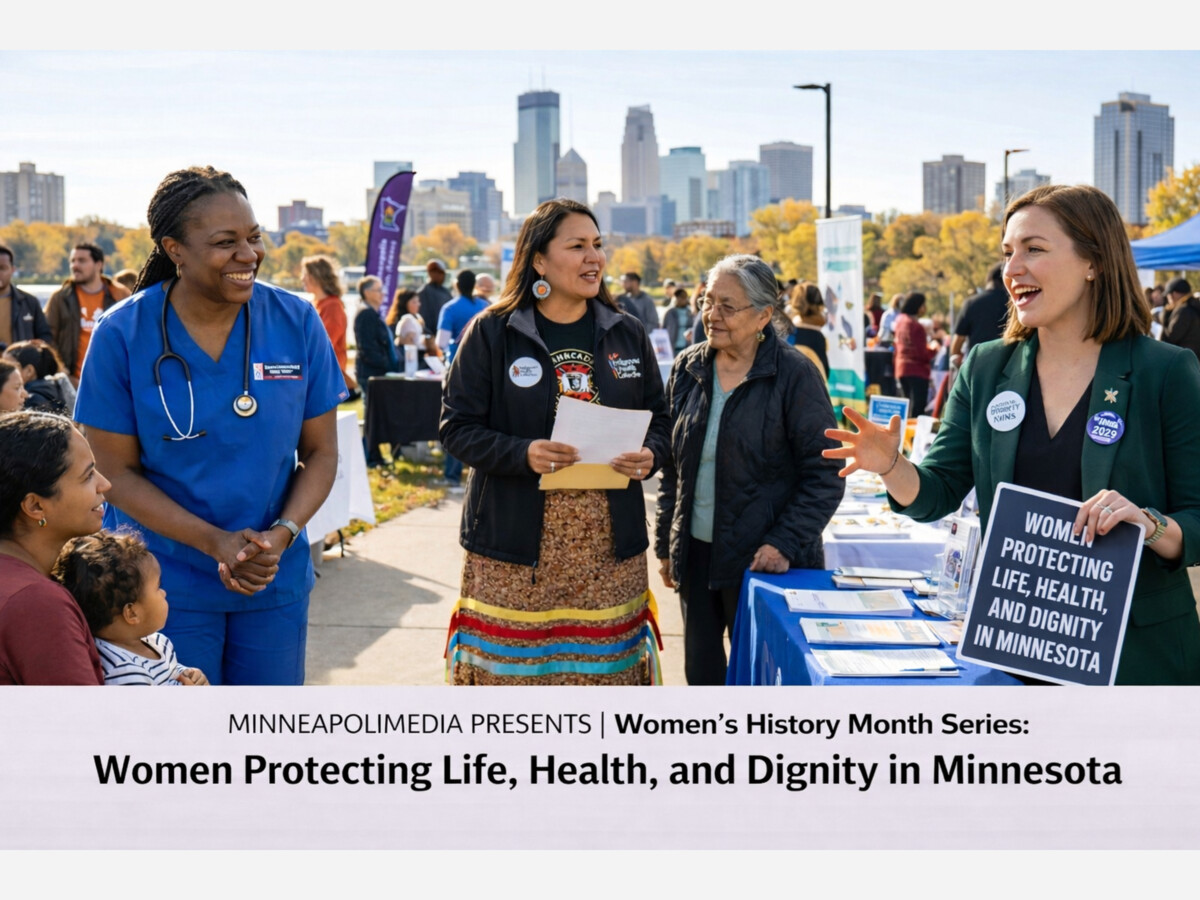
Illustration By MinneapoliMedia



In Minnesota, care does not begin in a hospital.
It does not begin with a diagnosis, a treatment plan, or an appointment entered into a system.
It begins earlier.
It begins in homes, in conversations, in small decisions made when something does not feel right. It begins when someone notices a change, when someone checks in, when someone decides not to ignore what could become a problem.
That moment rarely makes it into official records.
But it is often where the outcome is decided.
And across Minnesota, women have long been the people who step into that moment first.
Healthcare systems are designed to respond.
They organize services, coordinate professionals, and provide treatment once a need has been identified and brought forward.
But systems are not always the first point of contact.
There is a gap between when something begins and when it reaches formal care.
That gap is where early decisions are made.
A parent recognizes that a child is not developing as expected. A daughter notices that an aging parent is forgetting details that once came easily. A neighbor sees that someone has not been outside for days. A friend hears something in a voice that signals distress.
These are not clinical moments.
They are human ones.
And they shape what happens next.
Across Minnesota, women carry a significant portion of this early responsibility.
They monitor, respond, and act before situations escalate.
They schedule appointments, track medications, and ensure follow-up care. They interpret symptoms in real time, often without formal training, relying on experience and attention. They make decisions about when to seek help and how urgently to do so.
This work does not appear in healthcare data.
It is not reimbursed.
It is not formally measured.
But it directly affects outcomes.
Before modern healthcare systems expanded, care in Minnesota was often provided through community knowledge and informal networks.
Indigenous women in Dakota and Ojibwe communities held knowledge related to health, healing practices, and the relationship between environment and wellbeing. This knowledge was practical, transmitted across generations, and integrated into daily life.
Later, as settlement expanded and formal healthcare remained limited, women served as caregivers within families and communities, providing support during illness, childbirth, and recovery.
These roles were not temporary.
They formed the foundation upon which formal systems were later built.
Minnesota’s healthcare system is now extensive.
Hospitals, clinics, and specialized services operate across the state. Public health programs address prevention, treatment, and education.
Yet gaps remain.
Access to care varies by geography, particularly between urban and rural areas. Costs continue to influence whether individuals seek treatment. Trust in healthcare systems is not uniform across communities. Mental health services are often in high demand and limited supply.
These gaps create pressure points.
And once again, they are often managed first at the community and household level.
African American women in Minnesota have played a critical role in addressing gaps in healthcare access and trust.
Disparities in outcomes, particularly in areas such as maternal health and chronic conditions, have required sustained attention and advocacy. African American women have responded by building community-based approaches to care, connecting individuals to resources, and advocating for systemic change.
Their work often involves bridging a gap between institutions and communities.
They help navigate systems that can be difficult to access. They provide information that is not always readily available. They create spaces where concerns can be addressed openly.
This work is both practical and structural.
It improves immediate outcomes while also pushing systems to become more responsive.
Care does not occur only during moments of crisis.
It is ongoing.
Women across Minnesota manage chronic conditions within families. They coordinate appointments, ensure medications are taken correctly, and adjust routines to support long-term health.
They provide emotional support during periods of stress, loss, or uncertainty. They monitor changes that may require intervention. They make decisions that balance medical advice with real-world constraints.
This work is consistent.
It does not pause when systems are overwhelmed or unavailable.
In addition to physical care, women often carry responsibility for emotional stability within families and communities.
They respond to stress, conflict, and uncertainty. They provide reassurance when situations feel unstable. They help others process experiences that are difficult to navigate alone.
This labor is not always visible.
It does not produce immediate, measurable outcomes.
But it affects how individuals function, how families remain connected, and how communities respond during periods of strain.
Women also make up a significant portion of Minnesota’s healthcare workforce.
Nurses, home health aides, technicians, and support staff operate within hospitals, clinics, and community health settings.
Their work is structured, demanding, and essential.
They provide direct care, monitor patient conditions, and ensure that treatment plans are followed. They operate within systems that are often under pressure, particularly during periods of increased demand.
This work connects formal healthcare systems to the individuals they serve.
It is where policy becomes practice.
Even with formal systems in place, there are moments when those systems are not sufficient.
Appointments may be delayed. Resources may be limited. Barriers to access may prevent individuals from receiving timely care.
In those moments, care does not stop.
It shifts.
Families adjust. Communities respond. Individuals step in to provide what is missing.
Women are often at the center of that response.
Minnesota’s healthcare system is a critical component of the state’s wellbeing.
But it is not the only one.
There is a parallel system that operates continuously.
It exists in homes, communities, and relationships.
It is built on attention, responsibility, and the willingness to act before conditions worsen.
Women sustain that system.
As Minnesota continues to address healthcare access, cost, and quality, it must account for the full structure of care.
This includes recognizing the role of informal caregiving, supporting those who carry that responsibility, and ensuring that systems are designed to complement rather than replace community-based care.
It also requires addressing disparities that affect access and outcomes.
Without that, gaps will remain.
And those gaps will continue to be managed outside formal systems.
If there is a single truth that emerges from Minnesota’s history of care, it is this:
Systems respond.
People act.
And across Minnesota, women have been the ones who act first.
They notice.
They step in.
They carry responsibility before it is assigned.
They sustain care when systems are delayed, limited, or overwhelmed.
That work determines outcomes.
Not occasionally.
Consistently.
Minnesota’s wellbeing is often attributed to its institutions.
But institutions do not operate in isolation.
They depend on the people who recognize need, initiate care, and sustain it over time.
Women have been central to that process.
They did not wait for systems to respond.
They acted.
They protected life, supported recovery, and maintained dignity in moments when it could have been lost.
That work is not secondary.
It is foundational.
And it continues.
MinneapoliMedia
Community. Culture. Civic Life.



Sunny, with a high of 80 and low of 57 degrees. Sunny during the morning, clear overnight.