63° and Moderate rain at times
Image
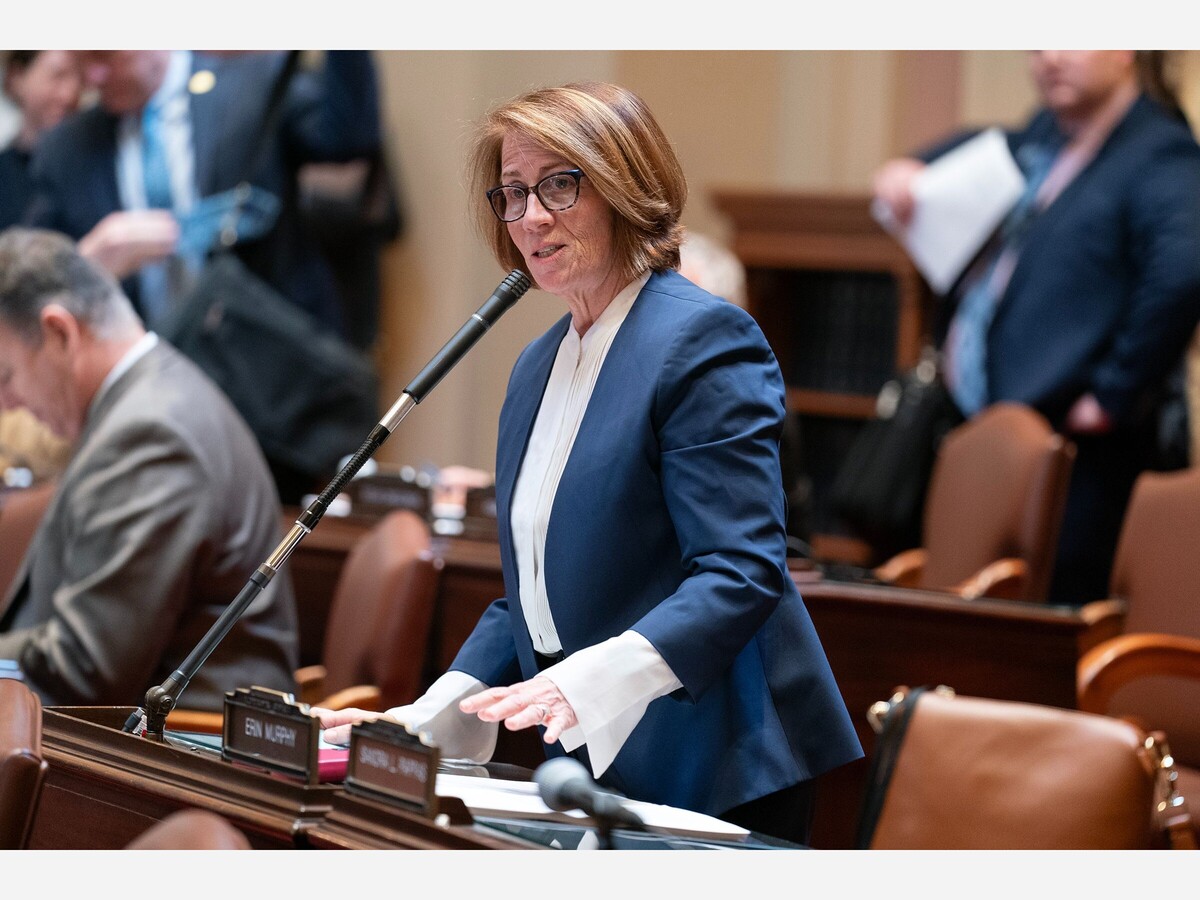



Senate Majority Leader Erin Murphy emerged from the meeting cautiously optimistic, describing incremental progress on a package of gun violence prevention measures that have defined much of the 2026 legislative session. The conversation, she said, extended beyond firearms policy alone, weaving in parallel tensions surrounding federal immigration enforcement and the state’s response to it.
What has surfaced is not a breakthrough, but something more fragile and perhaps more realistic: the outline of a compromise shaped by political limits rather than ideological alignment.
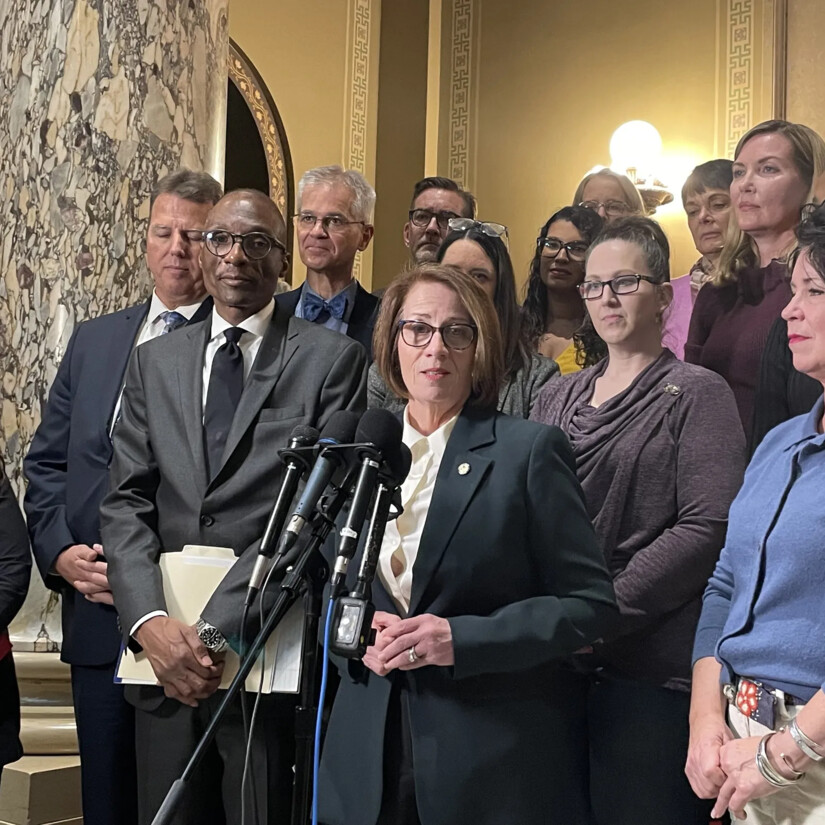
The current dynamics at the Capitol leave little room for sweeping victories.
Democrats hold a narrow one-seat majority in the Minnesota Senate, while the House remains evenly split at 67–67. In such a landscape, even broadly supported proposals must navigate procedural bottlenecks and partisan skepticism. For more controversial measures, the path forward is even narrower.
Murphy acknowledged as much. While Democratic lawmakers continue to prioritize an ambitious slate of gun reforms, she made clear that expectations must be grounded in political reality.
“I don’t expect Republican votes” on proposals such as an assault-style weapons ban or restrictions on high-capacity magazines, she said.
Those measures, long central to Democratic gun policy platforms, remain among the most contentious issues under consideration. Similar proposals have repeatedly stalled in previous sessions, reflecting enduring constitutional concerns raised by Republican lawmakers and advocacy groups.
Despite those divisions, lawmakers have continued advancing a broader set of bills, forming what Democratic leaders describe as a “common sense” gun safety package.
Among the key proposals moving through committees:
The legislative push has been shaped, in part, by tragedy. Lawmakers have repeatedly referenced the August 2025 shooting at Annunciation Catholic Church and School, where two children were killed, as a catalyst for renewed urgency around gun policy.
If there is movement, it is not around the most visible proposals, but around quieter, less polarizing measures.
Murphy pointed to ongoing discussions that could yield agreement on:
These proposals, often described as incremental, have historically drawn more bipartisan support, particularly when framed around prevention and public safety rather than restrictions on ownership.
Still, even these measures must navigate a legislative process where margins are razor thin and political calculations are constant.
What makes this moment distinct is the way gun policy negotiations have become intertwined with another volatile issue: federal immigration enforcement.
Recent enforcement actions, including operations widely referred to as “Operation Metro Surge,” have heightened tensions across Minnesota communities. In response, Democratic lawmakers are advancing proposals that would impose new restrictions on how federal agents operate within the state.
Among the ideas under discussion:
While these proposals exist outside traditional gun policy debates, they have become part of the same legislative conversation, reflecting a broader negotiation over public safety, civil liberties, and state authority.
Murphy suggested that the overlap may be creating unexpected opportunities for dialogue.
“It’s about finding common ground where we can,” she said, describing the leadership dinner as a step toward identifying areas where agreement is possible.
With a legislative break looming, Murphy emphasized the urgency of moving bills forward once lawmakers return to St. Paul.
Her approach reflects what some at the Capitol describe as a “get it on the record” strategy. Even if high-profile proposals ultimately fail in the tied House, Democratic leaders intend to bring them to a vote, ensuring that each lawmaker’s position is publicly documented.
“It’s important that after the break, these bills move through committees and come to the Senate and House floors for a vote,” Murphy said.
In a politically divided Legislature, such votes serve not only as policy decisions but as markers of accountability ahead of future elections.
For now, the trajectory of Minnesota’s gun violence legislation remains uncertain.
The contours of a potential compromise are visible, but fragile. Republicans continue to oppose the most sweeping restrictions, while Democrats face pressure from advocates to deliver meaningful reform in the wake of continued gun violence.
What is emerging instead is a familiar pattern in modern governance: incremental progress shaped by structural constraint.
Whether that progress coalesces into a unified omnibus bill or dissolves into another legislative stalemate will depend on what happens after lawmakers return from break — and whether the tentative common ground identified behind closed doors can withstand the pressures of public debate.
At the Capitol, movement is underway. But resolution remains, as ever, just out of reach.
Community. Culture. Civic Life.



Sunny, with a high of 80 and low of 57 degrees. Sunny during the morning, clear overnight.