56° and Light drizzle
Image
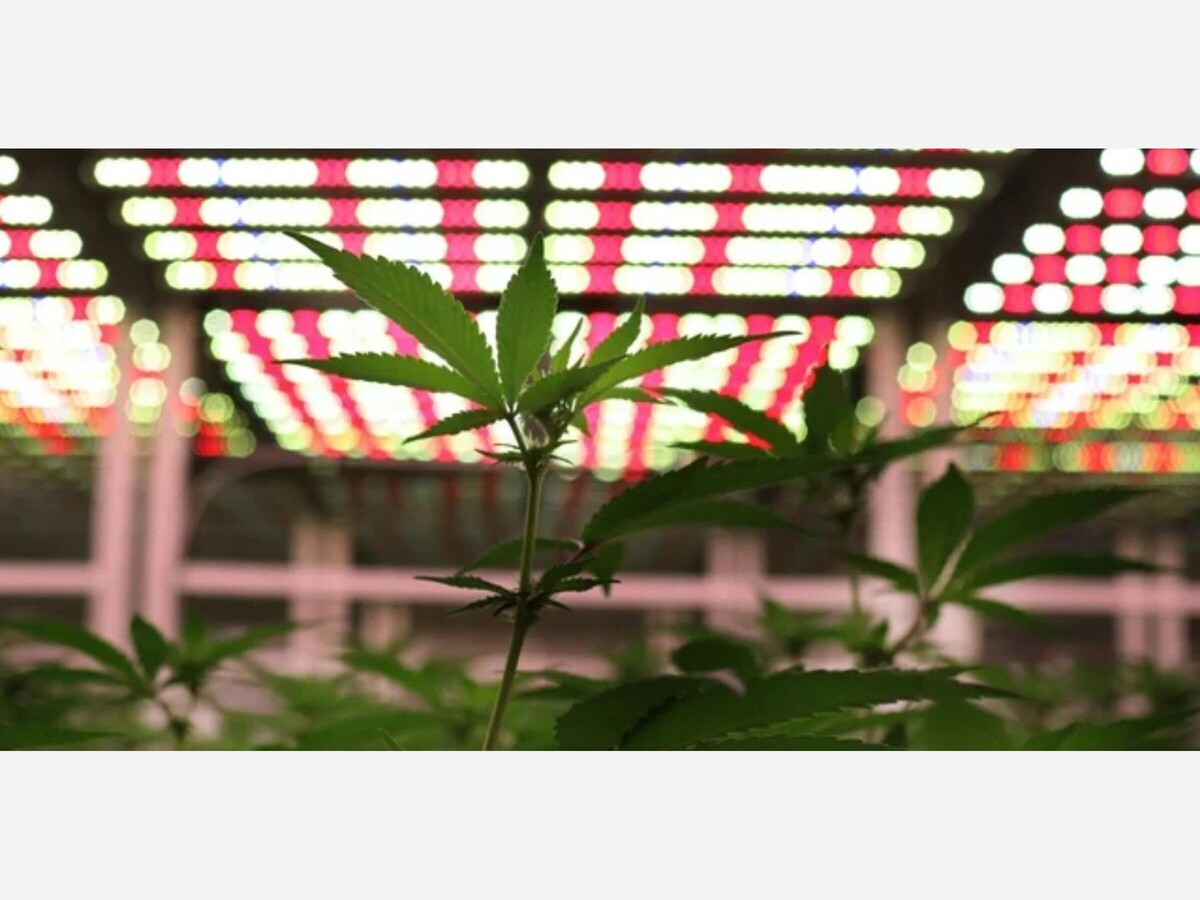



Fullmelt Factory, now the first licensed recreational cannabis dispensary in Maple Grove, officially began operations following a ribbon-cutting hosted by the I-94 West Chamber of Commerce, signaling the city’s formal entry into Minnesota’s regulated adult-use cannabis economy.
For a state still in the early stages of building its legal marketplace, the opening represents both progress and proof of concept: that legalization is no longer abstract policy, but a functioning, visible part of local commerce.
Minnesota’s legalization of adult-use cannabis in 2023 established a framework that is still taking shape under the oversight of the Minnesota Office of Cannabis Management.
While possession and use became legal shortly after passage, the pathway to a fully operational retail system has been deliberate, marked by licensing timelines, municipal approvals, and the gradual emergence of compliant businesses.
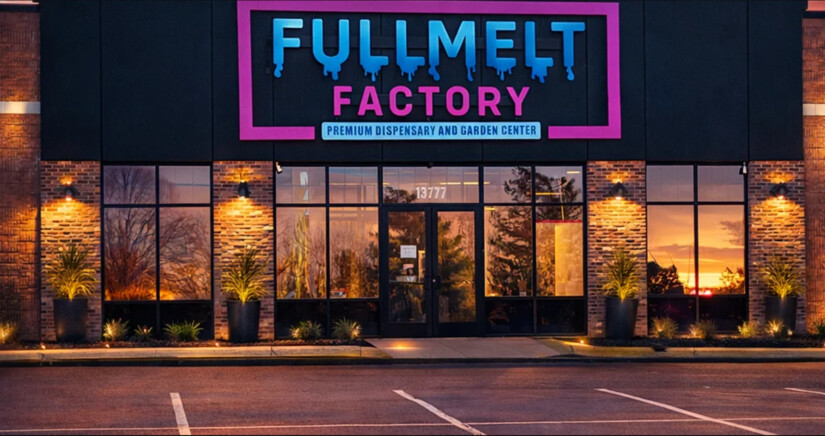 Fullmelt Factory, Maple Grove's First Licensed Cannabis Dispensary. Courtesy: Hometown Source
Fullmelt Factory’s opening places Maple Grove among a limited but growing number of cities where that framework has materialized into brick-and-mortar access.
The dispensary operates under a state-issued microbusiness license, identified as License #MICRO-L25-001206, a category designed to allow vertically integrated operations on a smaller scale. Its presence also reflects earlier local decisions. In May 2024, the Maple Grove City Council approved lower-potency cannabinoid licensing for the business, clearing a regulatory path that would later support its expansion into full adult-use retail.
At the center of the operation is owner Karsen Cooper, a U.S. Marine Corps veteran who served four years as an infantryman. His approach to the business is notably distinct from traditional retail framing.
Cooper describes the dispensary not simply as a point of sale, but as a resource grounded in wellness and harm reduction.
“The sole mission is to help everyone get quality products,” he said.
That philosophy shapes both the inventory and the tone of the business. Cooper has positioned Fullmelt Factory as an alternative space for individuals exploring options beyond alcohol, tobacco, or certain prescription medications. While such claims exist within a broader and still-developing public health conversation, they reflect a growing narrative within legalized cannabis markets nationwide.
The experience inside Fullmelt Factory is intentionally structured to challenge expectations.
Rather than a traditional retail floor, the dispensary is divided into two distinct environments, each serving a specific purpose.
The Educational Lobby
Customers enter into an open seating area where they check in, take a number, and wait to be called. A large screen plays films often associated with cannabis culture, creating a relaxed atmosphere that contrasts with more transactional retail settings.
Private Consultation Room
When called, customers are escorted individually into a secondary room where they meet one-on-one with a budtender. The design prioritizes discretion.
“In that room, your conversation will be private,” Cooper explained. “If you have questions, even basic ones, no one is going to overhear you.”
The model reflects a broader industry shift toward guided purchasing, particularly important in a market where many consumers are navigating modern cannabis products for the first time or returning after decades of absence.
One of the defining features of Fullmelt Factory is its commitment to sourcing exclusively from Minnesota producers.
That decision aligns with the state’s regulatory intent to cultivate a local cannabis economy, rather than one dominated by large, out-of-state operators.
The dispensary’s inventory includes:
Minnesota law imposes strict testing, labeling, and potency standards. Edibles, for example, are limited to 5 milligrams of THC per serving and 50 milligrams per package, reflecting a cautious regulatory approach aimed at consumer safety.
By keeping its supply chain entirely within state lines, Fullmelt Factory is participating in what lawmakers envisioned as a ground-up economic ecosystem, one that supports local growers, manufacturers, and ancillary businesses.
The arrival of a licensed dispensary in Maple Grove is as much a civic development as it is a commercial one.
Municipalities across Minnesota retain significant control over zoning, licensing caps, and operational parameters for cannabis businesses. The result has been a patchwork of approaches, with some cities moving quickly to embrace retail while others proceed more cautiously.
Maple Grove’s decision to allow and regulate a dispensary signals a measured acceptance, balancing community standards with the realities of a newly legal industry.
For residents of the northwest metro, the opening reduces reliance on distant retailers or unregulated sources, bringing legal access closer to home in a controlled environment.
Despite the milestone, Minnesota’s cannabis rollout remains incomplete.
Licenses continue to be issued across multiple categories, and the supply chain is still expanding to meet anticipated demand. Tribal nations within the state have played a leading role in early retail access, leveraging sovereign authority to open dispensaries ahead of broader state licensing.
The result is a staggered but steadily advancing marketplace, where each new storefront represents incremental progress.
Fullmelt Factory’s opening may appear, at first glance, as a routine business launch. But in the context of Minnesota’s evolving cannabis landscape, it carries broader significance.
It is evidence of policy translated into practice.
It is a test of how communities integrate a newly legal industry.
And it is a signal of what is likely to follow.
For Maple Grove, the dispensary marks a shift in its retail identity. For Minnesota, it is another step in a longer process of building a regulated, locally anchored cannabis economy.
Access Information:
Fullmelt Factory, located at 13777 Grove Drive in Maple Grove, is open to adults aged 21 and older with valid identification.
MinneapoliMedia | Community. Culture. Civic Life.



Overcast, with a high of 63 and low of 53 degrees. Overcast in the morning,