63° and Moderate rain at times
Image
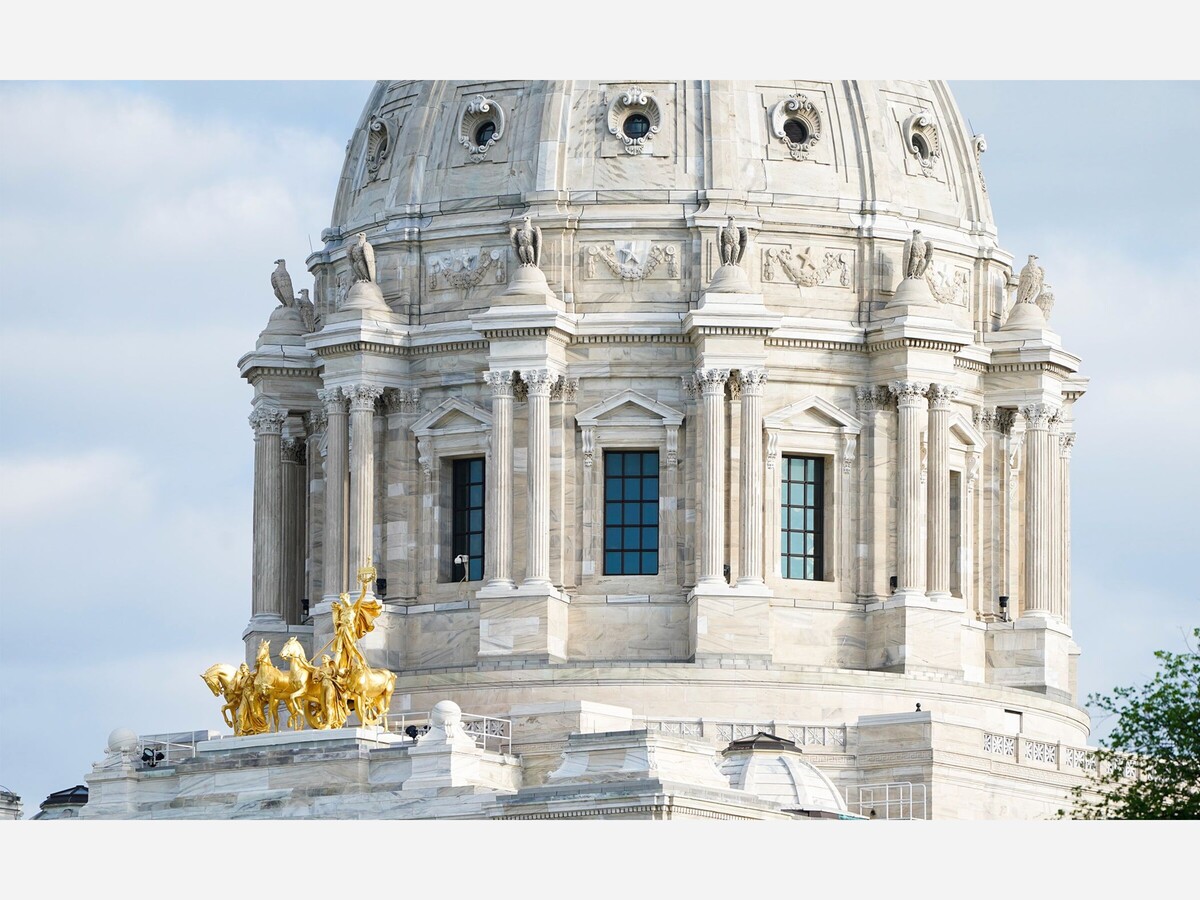



At the center of that effort is legislation authored by John Hoffman, who appeared before the State and Local Government Committee on Friday to advocate for a permanent tribute. His testimony carried a weight that extended beyond legislative protocol. Hoffman and his wife were themselves victims of the same targeted attack in June 2025 that claimed the lives of Melissa Hortman, her husband Mark, and their dog, Gilbert.
The bill, supported by more than 2,250 Minnesotans across political affiliations, has already passed through House committees without objection. It now advances to the Capital Investment Committee, where it will be considered alongside broader bonding priorities in the final stretch of the 2026 session.
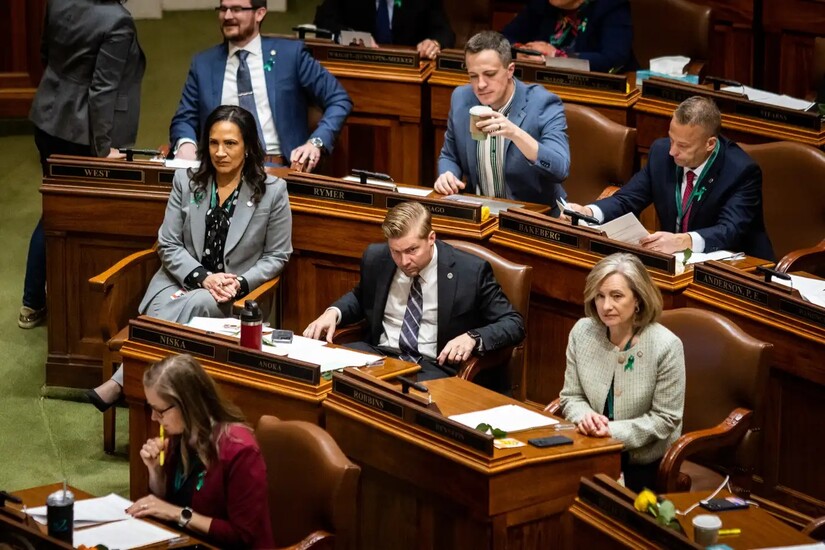
What began as an expression of grief has evolved into a coordinated legislative effort to embed Hortman’s legacy into the physical and civic fabric of Minnesota.
Among the proposals moving forward:
HF 4470 / SF 4662: The Statue and Garden
This measure would allocate approximately $800,000 to commission and cast a statue of Hortman, to be placed within a newly designed memorial garden at or near the State Office Building complex. Lawmakers envision the space not simply as a monument, but as a place of public reflection situated within the daily workings of state government.
HF 3643: Memorial State Park
Another proposal seeks to establish the Melissa and Mark Hortman Memorial State Park in Ramsey County. The concept reflects a vision Hortman often shared with colleagues: opening the Capitol grounds and surrounding civic spaces to greater public use, transforming them into areas that invite participation rather than distance.
HF 3588: Hortman Memorial Highway
A third measure would designate a portion of Trunk Highway 610 in the north metro as the “Hortman Memorial Highway,” recognizing her instrumental role in securing infrastructure funding during her two decades in office.
Taken together, the proposals form a layered approach to remembrance. They move beyond symbolic recognition and into the realm of place-making, where memory is integrated into how Minnesotans move, gather, and engage with public space.
The 2026 legislative session opened not with policy debate, but with remembrance. Lawmakers gathered to honor the Hortman family, setting a tone that has continued to shape proceedings months later.
Inside the House chamber, Hortman’s desk has remained untouched. A small arrangement of red roses rests beside a gavel, a quiet but persistent reminder of both presence and absence.
Colleagues from both parties have described the moment as one that transcends politics. Lisa Demuth, a Republican who now leads the chamber, has spoken publicly about Hortman’s leadership style, noting that she “brought people in instead of pushing them out.” It is a sentiment echoed across party lines, an acknowledgment of a governing approach rooted as much in relationships as in results.
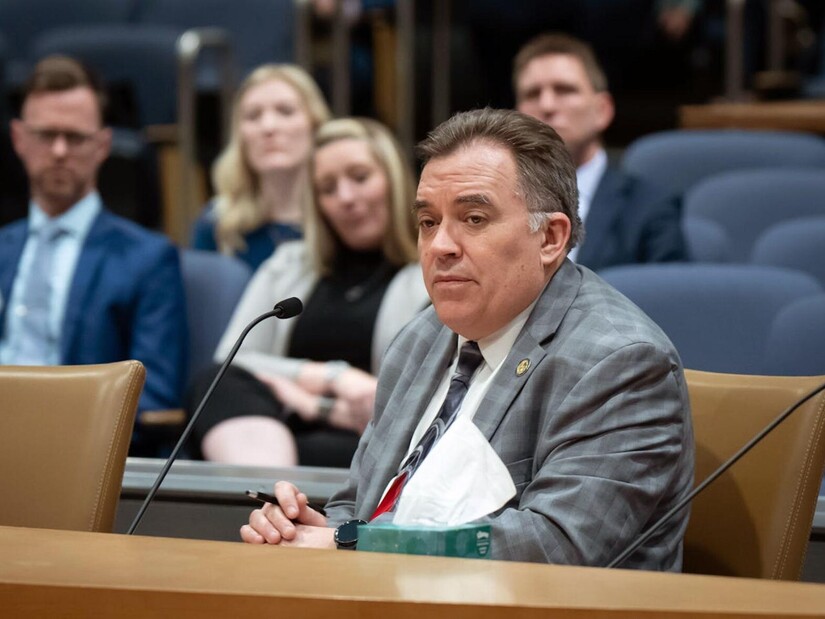
For Hoffman, the advancement of the memorial legislation is inseparable from the events that prompted it. His advocacy has been described by fellow lawmakers as both personal and representative, a bridge between private grief and public action.
During committee testimony, he emphasized what he called Hortman’s “excellence,” a term that, in the context of legislative memory, encompasses both policy achievements and institutional stewardship.
Hortman served in the Minnesota House of Representatives for 20 years, including six years as Speaker, making her one of the most consequential legislative leaders in modern state history. Her tenure coincided with a period of significant policy activity, including the passage of paid family and medical leave, the establishment of a state child tax credit, and the implementation of universal free school meals.
Yet colleagues have been equally consistent in pointing to the less visible aspects of her leadership: the ability to manage divided government, the discipline of committee work, and the cultivation of relationships that allowed legislation to move forward even under constraint.
The speed and unanimity with which the memorial bills have advanced stand in contrast to the broader dynamics of the 2026 session. In a Legislature where even routine measures often encounter resistance, these proposals have moved without recorded opposition.
That consensus reflects not only respect for Hortman’s legacy, but also a shared recognition of the moment itself. The June 2025 attack, described by authorities as targeted political violence, altered how lawmakers understand their roles, their security, and their responsibilities to one another.
In that context, the memorial legislation functions as both tribute and signal. It affirms a collective commitment to public service while acknowledging the risks that now accompany it.
As the bills move into the Capital Investment Committee, their future will be shaped by the broader negotiations that define the closing weeks of the legislative session. Bonding discussions, funding priorities, and procedural timelines will all influence the final form these memorials take.
But the trajectory thus far suggests a level of alignment that is rare in contemporary legislative life.
If enacted, the memorials will not be confined to a single site or symbol. They will exist across highways, public spaces, and the Capitol grounds themselves, creating a distributed landscape of remembrance tied to the life and work of a leader whose influence extended well beyond the chamber she once led.
In Minnesota, where civic identity has long been rooted in participation and trust, the question is no longer whether Melissa Hortman’s legacy will be remembered. It is how that memory will be carried forward, and where it will live in the everyday experience of the state she helped shape.
MinneapoliMedia | Community. Culture. Civic Life.



Sunny, with a high of 80 and low of 57 degrees. Sunny during the morning, clear overnight.