59° and Partly Cloudy
Image
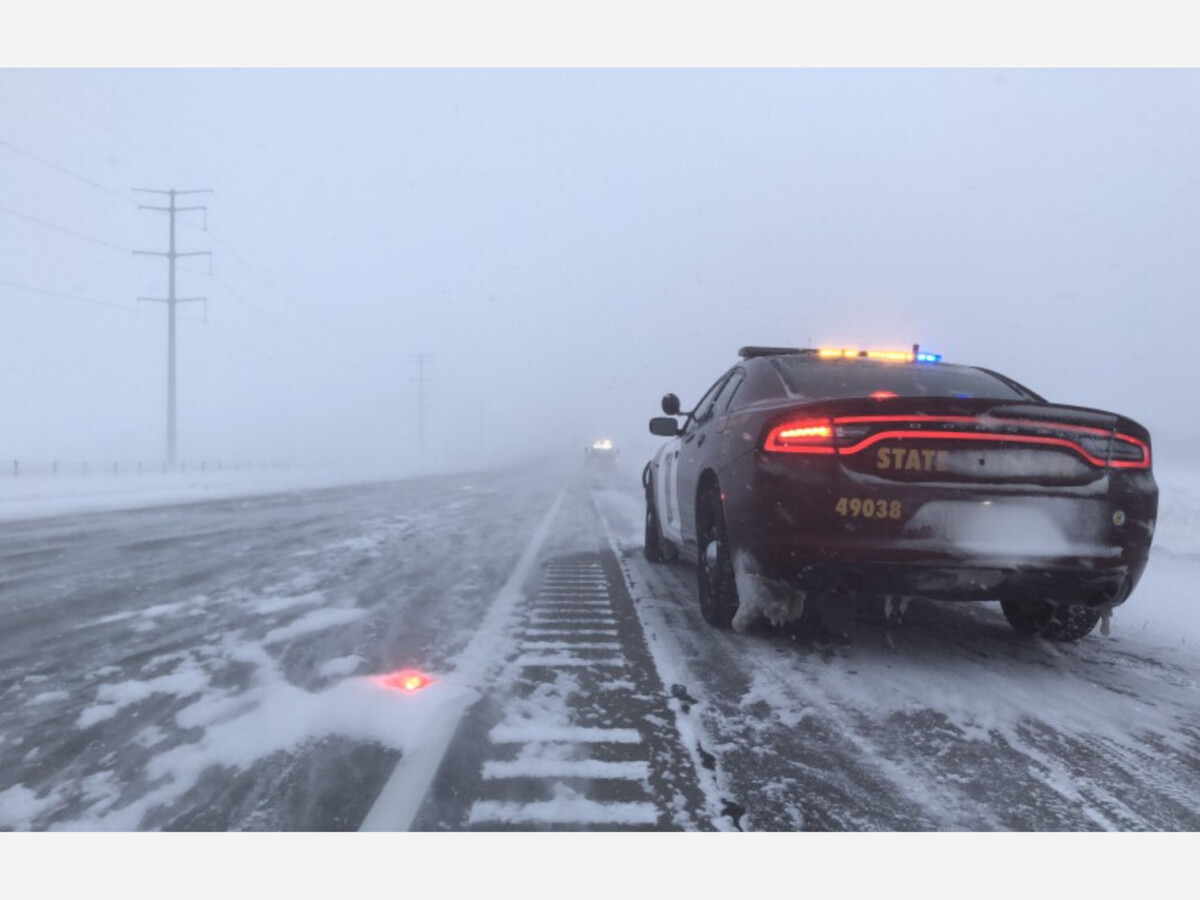



It exists on the narrow shoulder of a road, where a law enforcement officer leans into a driver’s window, where a tow operator hooks a disabled vehicle, where a paramedic stabilizes a patient, and where traffic continues to pass at full speed just feet away.
This week, the Blaine Police Department renewed a message that has become both routine and urgent: when drivers see flashing lights, they must move over or slow down. The instruction is simple. The consequences of ignoring it are not.
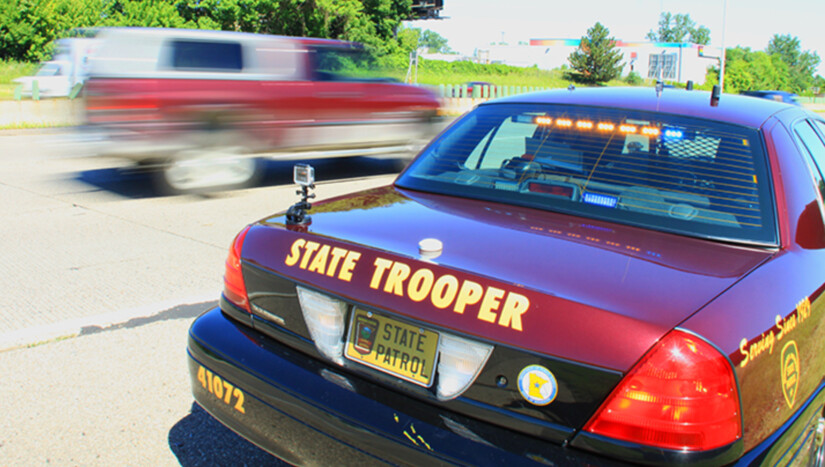
Minnesota’s Move Over statute, codified under Minnesota Statute 169.18, is formally known as the Ted Foss Move Over Law. It traces back to August 31, 2000, when Minnesota State Patrol Corporal Ted Foss was conducting a traffic stop on Interstate 90 near Lewiston.
As Foss stood near his squad car, a passing semi-truck drifted onto the shoulder and struck him, killing him at the scene. He left behind a wife and two young children. The loss reverberated across the state, transforming a moment of tragedy into a legislative turning point.
Within a year, Minnesota lawmakers enacted protections requiring drivers to create space for responders working roadside. What began as a response to one fatal incident has since evolved into a broader framework of public safety.
Under state law, the responsibility placed on drivers is explicit and enforceable.
When approaching a stopped vehicle displaying flashing lights, motorists must act. The law applies to a wide range of roadside situations, including law enforcement stops, fire and ambulance response, tow and recovery operations, construction and maintenance work zones, and, more recently, disabled civilian vehicles with hazard lights activated.
The required response follows a clear hierarchy:
The intent is to create what safety officials describe as a “buffer lane,” a physical margin that separates high-speed traffic from stationary responders.
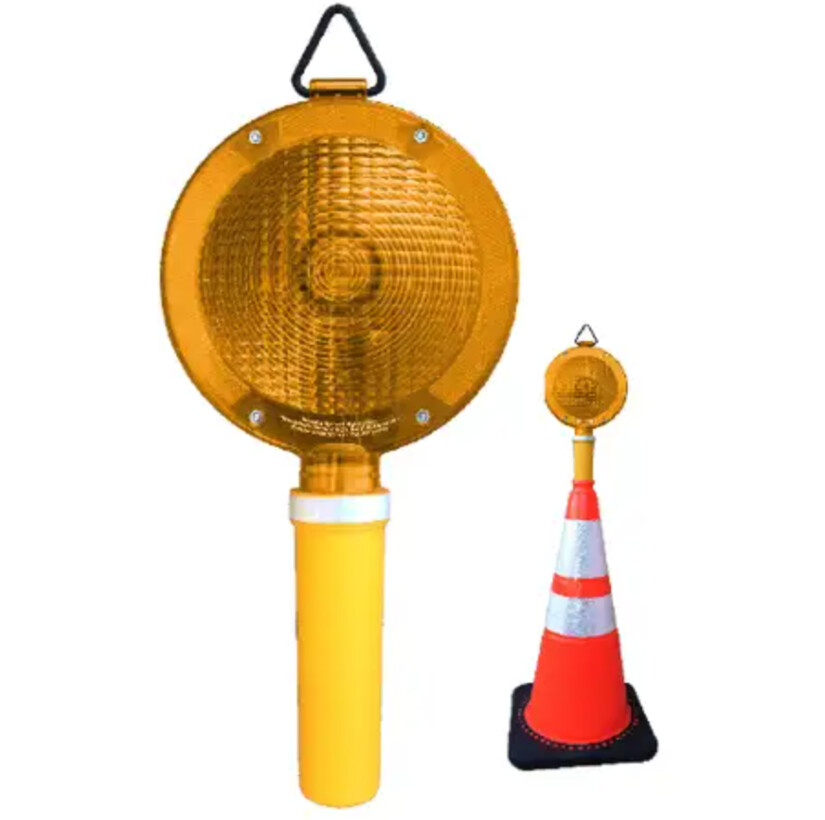
Over time, Minnesota has expanded the reach of the Move Over law beyond traditional emergency vehicles. Today, its protections extend to tow truck drivers, utility crews, road construction teams, and everyday motorists stranded on the roadside.
This evolution reflects a broader recognition: danger on the shoulder is not limited to law enforcement. Anyone outside a vehicle near active traffic occupies a high-risk environment.
According to traffic safety experts, roadside responders face one of the highest rates of “struck-by” incidents, a category of crashes involving vehicles leaving the travel lane and entering the shoulder.
The Blaine Police Department’s advisory also highlights a less visible threat, one that begins not with speed, but with attention.
Drivers often slow down and look toward an incident scene, a behavior commonly referred to as rubbernecking. While it may seem harmless, it disrupts the flow of traffic and reduces driver awareness.
Safety researchers point to several contributing factors:
The result is what officials call secondary crashes, collisions that occur not at the original incident, but in the traffic approaching it. These crashes can involve multiple vehicles and often place additional responders at risk.
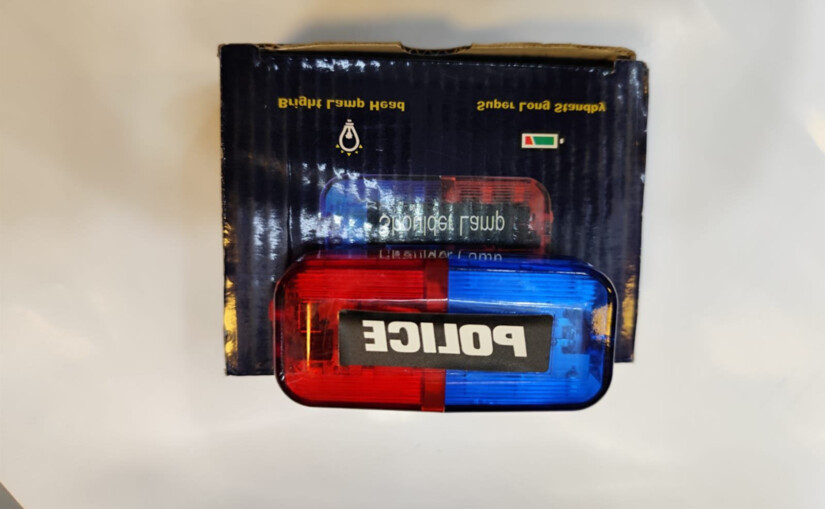
Failure to comply with Minnesota’s Move Over law is classified as a misdemeanor. Standard violations typically result in fines exceeding $100, with additional surcharges pushing total costs higher.
Beyond the immediate penalty, violations become part of a driver’s record and may affect insurance rates. More severe consequences apply if a violation contributes to injury or death, exposing drivers to elevated criminal charges.
Law enforcement agencies emphasize that citations are not the primary goal. Compliance is.
For responders, the roadside is not a temporary inconvenience. It is an unpredictable work environment where conditions can change in seconds and protection depends heavily on the behavior of passing drivers.
Each flashing light represents an active situation. It may involve a stranded family, a medical emergency, or a crash scene still unfolding. In every case, responders rely on motorists to recognize the risk and adjust accordingly.
The Blaine Police Department’s message frames the law not just as a legal requirement, but as a shared responsibility.
Moving over is a decision made in seconds. Its impact can last a lifetime.
Because on Minnesota roads, the difference between routine and tragedy is often determined not by the situation on the shoulder, but by the driver approaching it.
MinneapoliMedia | Community. Culture. Civic Life.


Sunny, with a high of 67 and low of 46 degrees. Sunny for the morning, clear in the afternoon and evening,