72° and Overcast
Image



As warmer temperatures return to Minnesota, the Blaine Police Department is issuing a timely public reminder that carries both urgency and evidence behind it. Spring, officials say, is not only a season of renewal but also one of the most active periods for lost pets.
With more residents opening doors, spending time outdoors, and allowing pets greater freedom after a long winter, the risk of animals slipping away increases in ways that are often subtle but significant.
What may appear to be a routine seasonal shift is, in fact, a well-documented pattern supported by veterinary science and national animal welfare data.
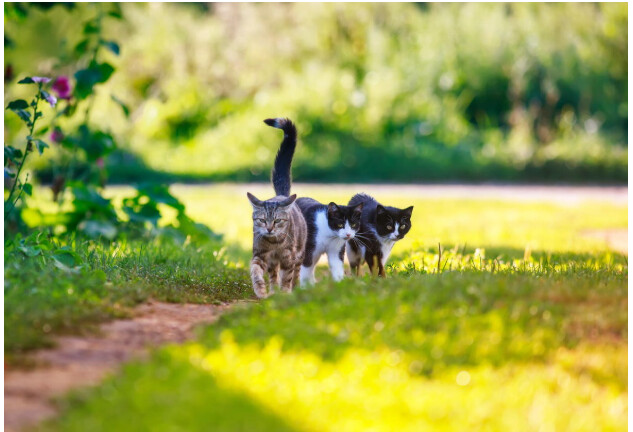
Animal behavior experts and organizations such as the American Humane Association have long noted what is commonly described as a “spring fever” effect in pets.
As temperatures rise, animals experience heightened sensory stimulation. New scents, increased wildlife activity, and longer daylight hours naturally encourage exploration. Even well-trained pets can become more prone to wandering during this period.
Several contributing factors intensify the risk:
These dynamics combine to create what shelters and law enforcement agencies consistently recognize as a seasonal spike in lost animal reports.
The guidance issued by Blaine police is not precautionary in theory alone. It is strongly supported by empirical research, including findings published in the Journal of the American Veterinary Medical Association.
The numbers tell a clear and compelling story:
These figures underscore a central truth: identification dramatically improves the likelihood that a lost pet will make it home.
Law enforcement officials emphasize that identification works best when layered.
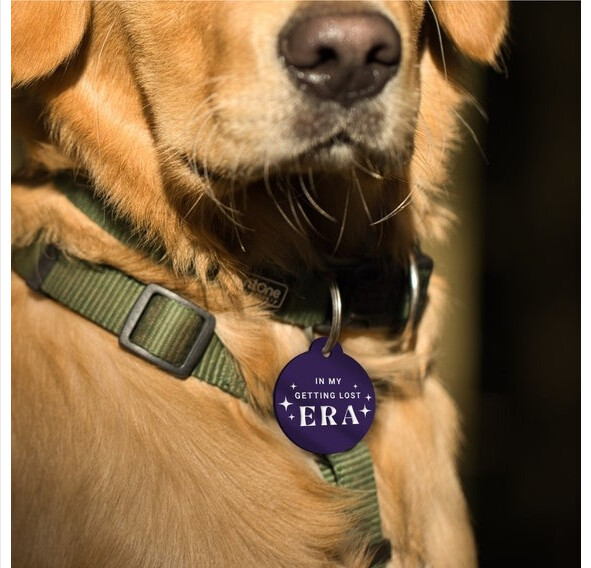
A collar with current ID tags remains the fastest path to reunification. In many cases, a neighbor or passerby can immediately contact the owner without involving authorities or shelters.
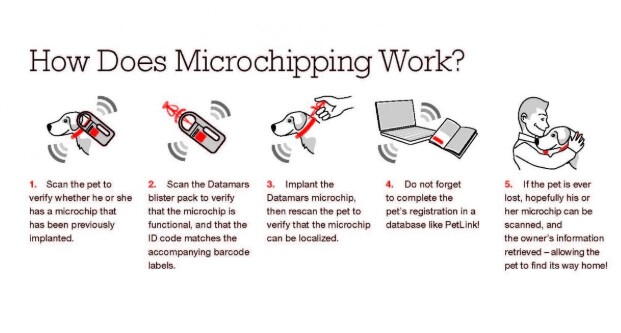
A microchip, however, provides permanent identification that cannot be lost or removed. When scanned at a veterinary clinic or shelter, it connects the animal to a registered owner.
But there is a critical caveat. According to the American Animal Hospital Association, the most common reason microchips fail is not technology failure but outdated or incorrect contact information.
To address this, AAHA promotes annual verification efforts such as “Check the Chip Day” on August 15, encouraging pet owners to confirm their registry details remain current.
In Blaine, pet safety is reinforced not only by best practices but also by municipal law.
All dogs over six months old are required to be licensed through the city. While often viewed as a regulatory step, licensing plays a critical role in rapid recovery.
Licensed pets found by animal control can frequently be identified and returned directly to their owners without entering the shelter system.
Licensing also ensures compliance with rabies vaccination requirements, an essential public health safeguard that protects both residents and animals.
The structure of licensing fees further reflects public policy goals. Reduced costs for spayed or neutered pets encourage responsible ownership while helping control animal populations.
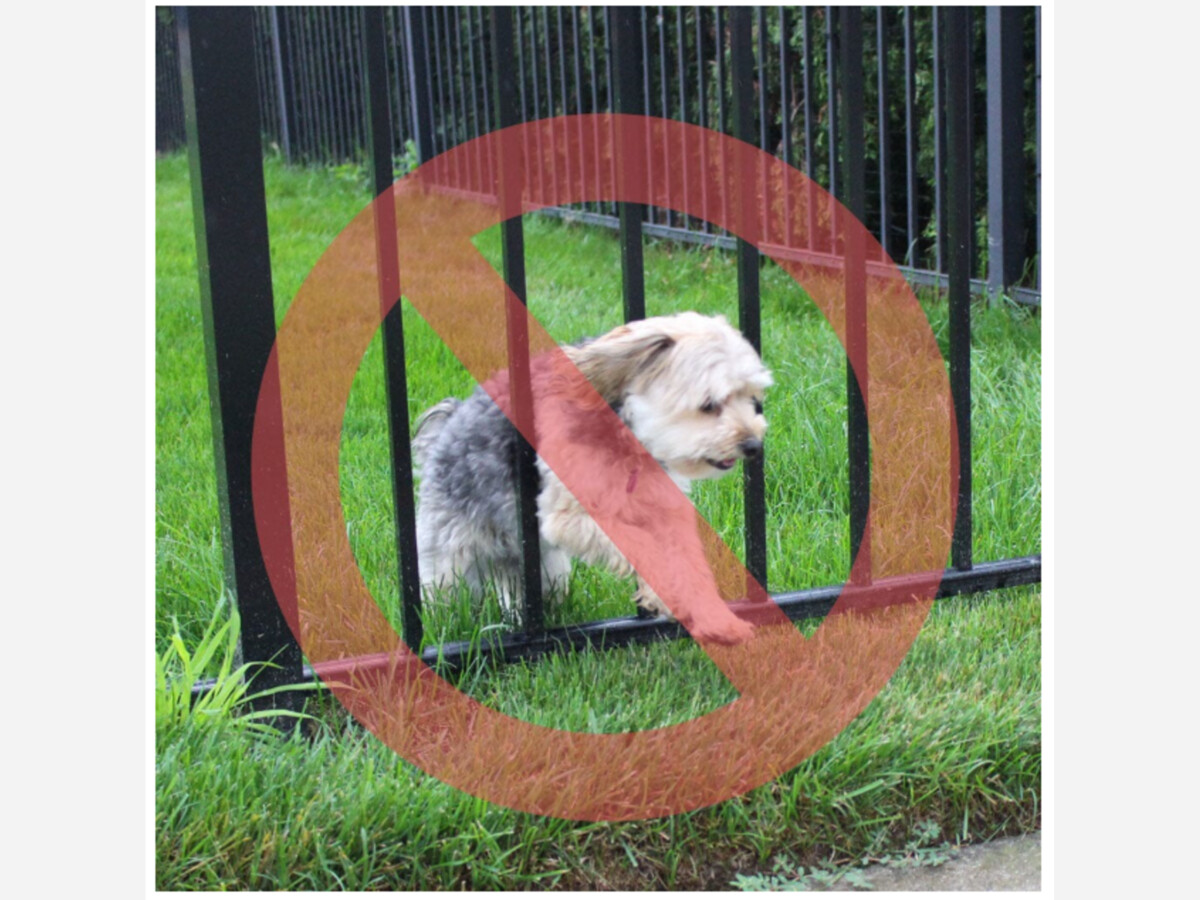
The Blaine Police Department’s recommendation to double-check gates, fences, and doors is rooted in a practical reality many homeowners overlook.
Winter weather often weakens physical barriers:
What appears intact at a glance may, in fact, be vulnerable to even a modest push from a curious or energetic pet.
Officials stress that prevention does not require complex solutions. Instead, it depends on consistency and awareness.
Key preventive steps include:
Each step addresses a specific failure point commonly observed in lost pet cases.
Lost pets are not solely a private matter. Each incident engages public resources, from law enforcement response to shelter intake and care.
When pets are not quickly identified, they enter systems that are already managing capacity challenges, increasing strain on local services and delaying reunification.
Preventive action, therefore, extends beyond individual households. It contributes to the broader functioning of community systems designed to protect both animals and residents.
The message from the Blaine Police Department is grounded in both observation and evidence.
Spring brings opportunity for connection, movement, and time outdoors. It also brings increased risk that can be mitigated with small, deliberate steps.
A properly secured gate, an updated microchip record, or a visible ID tag may seem minor in isolation. In practice, they are often the difference between a pet returning home within hours or remaining lost for days.
In a season defined by renewal, prevention remains the most reliable form of protection.
MinneapoliMedia | Community. Culture. Civic Life.



Overcast, with a high of 68 and low of 54 degrees. Overcast in the morning, clear for the afternoon and evening, overcast overnight.