40° and Light rain
Image
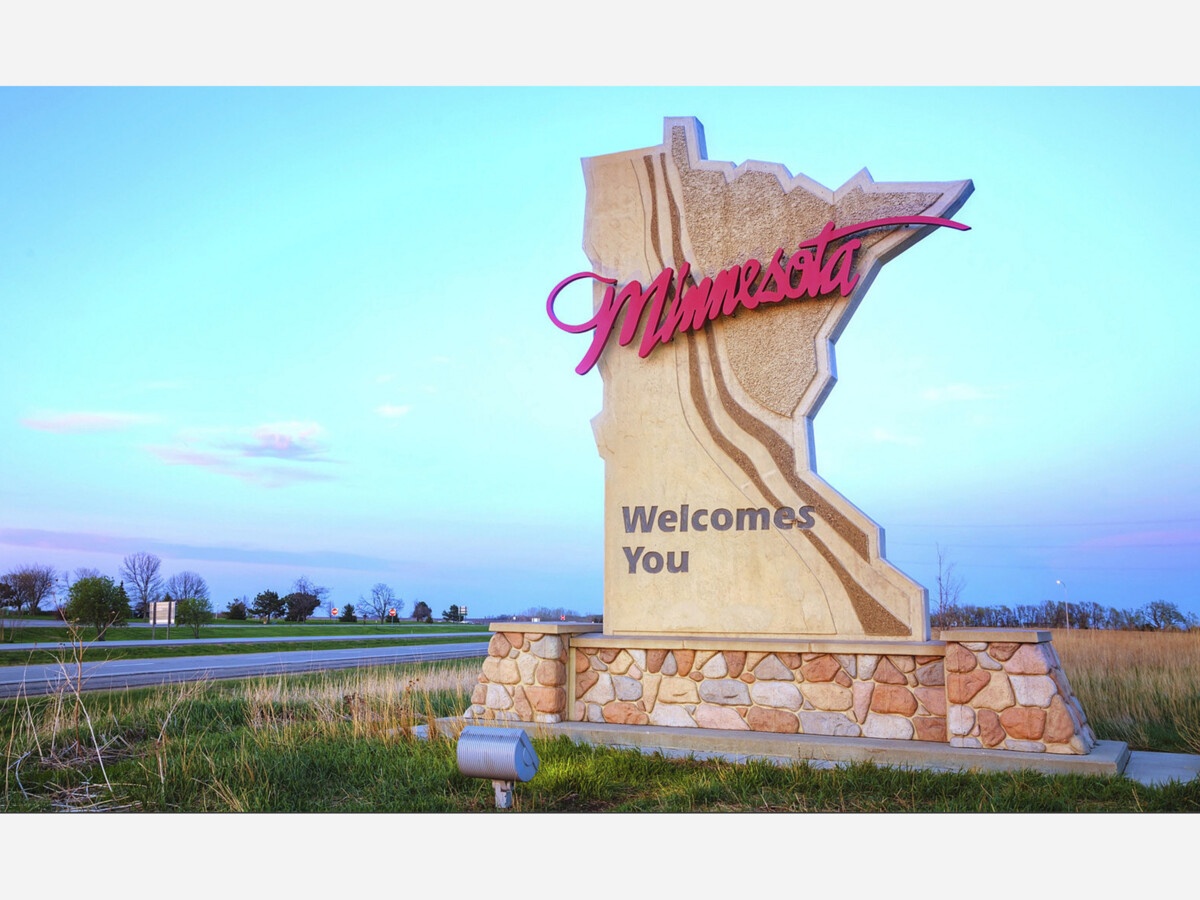



The fund was launched on January 12, 2026, in response to the federal immigration enforcement campaign known as Operation Metro Surge. Over the past several months, it has operated as a centralized funding mechanism to provide immediate assistance to communities affected by enforcement actions that disrupted households, workplaces, and local economies.
Organizers report that the fund raised approximately $14 million from more than 65,000 donors. Contributions came from across all 50 states and from 45 countries, reflecting a combination of grassroots giving and institutional support.
The scale and speed of fundraising positioned the initiative as one of the most significant rapid-response philanthropic efforts in Minnesota in recent years.
By the conclusion of this week’s final grant cycle, $12 million will have been distributed to 140 nonprofit organizations statewide. Recipients include service providers in the Twin Cities as well as organizations operating in Greater Minnesota, where access to resources is often more limited.
Grant funding was structured to address urgent needs identified by community organizations working directly with affected families. Awards ranged from approximately $25,000 to $600,000 and were distributed on a rolling, weekly basis.
Funding supported three primary areas.
Emergency assistance formed the largest share of support, including food access, rental and mortgage assistance, and emergency health services.
Legal services were also a central focus, with organizations providing representation, case management, and support to individuals navigating immigration proceedings.
A third area centered on community stabilization. This included safety planning, public education on legal rights, and advocacy efforts aimed at reducing further family separation and disruption.
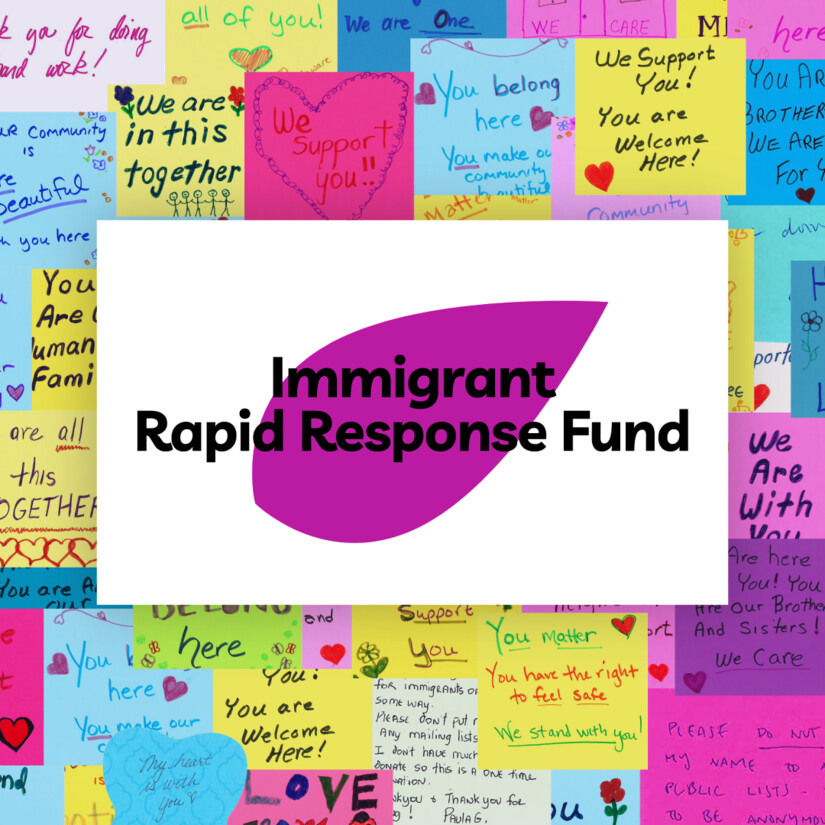 Messages of Hope | Image Courtesy of Women's Foundation Minnesota
The fund’s creation followed reports of significant social and economic impact linked to Operation Metro Surge. State and local officials, including Tim Walz and Jacob Frey, described the enforcement period as one that placed substantial strain on families and local systems.
City-level estimates indicated that Minneapolis alone experienced economic impacts exceeding $200 million during the operation, driven by workforce disruptions, reduced business activity, and decreased community mobility.
Community organizations reported a sharp increase in demand for services as families sought assistance with housing, food, and legal support in the immediate aftermath.
With the final round of rapid-response grants now underway, organizers are shifting focus toward longer-term recovery.
Approximately $1.5 million, along with any additional future donations, has been set aside to support organizations working on sustained recovery efforts. This next phase is expected to address longer-term financial instability, legal challenges, and the psychological effects experienced by impacted families.
Fund leaders have indicated that recovery efforts will continue to rely on community-based organizations that have already established trust and direct connections within affected populations.
In addition to continued funding, organizers plan to release a response framework later this month outlining how the rapid-response model was developed and implemented. The goal is to provide a replicable approach for other states and regions facing similar large-scale disruptions.
The conclusion of the emergency phase marks a transition point rather than an endpoint. While immediate needs have been addressed through rapid deployment of funds, community leaders and service providers continue to assess the long-term effects of the enforcement operation and the resources required to support recovery.
MinneapoliMedia | Community. Culture. Civic Life.

Overcast, with a high of 56 and low of 41 degrees. Don't forget your umbrella! Light drizzle for the morning, overcast for the afternoon, patchy rain nearby overnight.