60° and Clear
Image
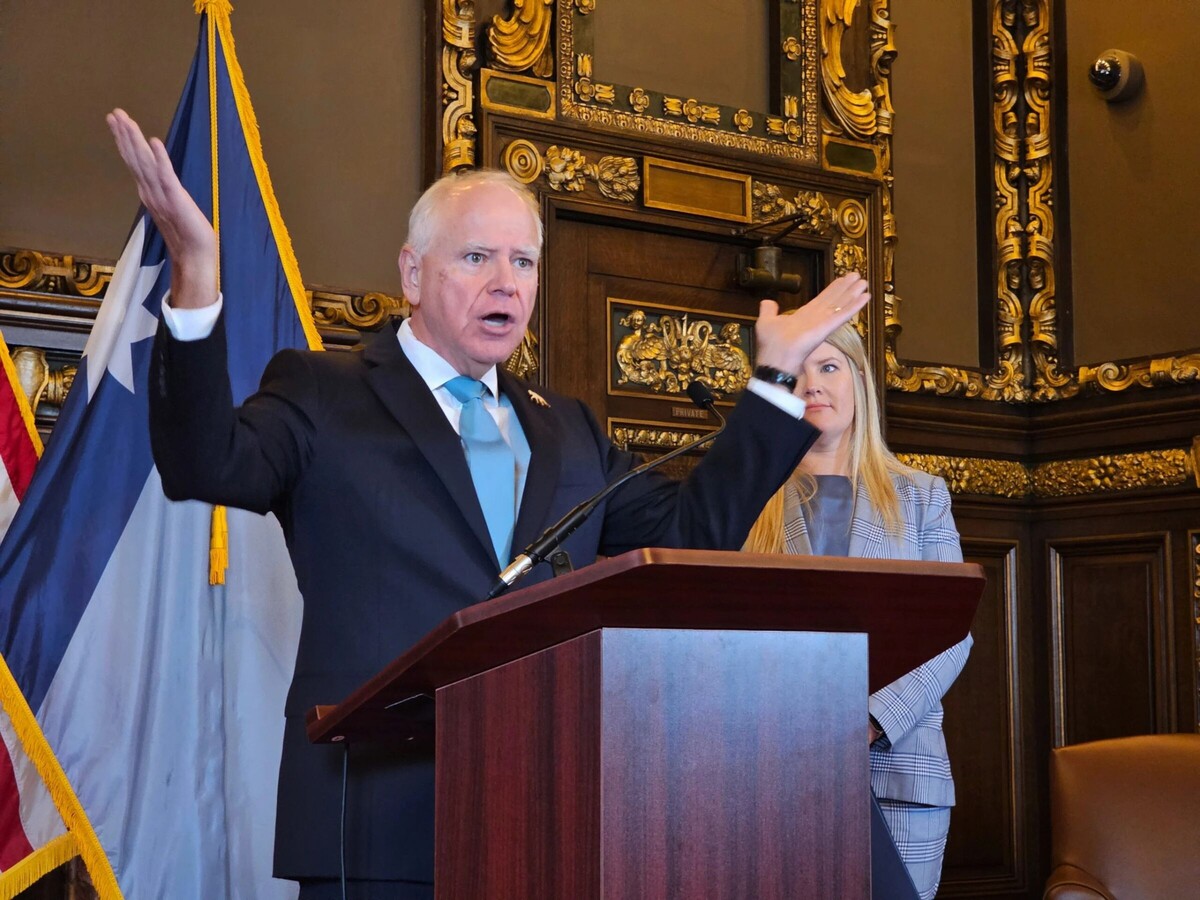



The proposal comes as Walz faces mounting scrutiny over his administration’s oversight of fraud in state-funded programs, particularly within Medicaid, placing the issue of accountability at the center of both policy and political debate.
At the heart of Walz’s argument is a long-standing divide in how Minnesota law treats different branches of government. Under the Minnesota Government Data Practices Act, records from the executive branch, including emails from the governor’s office and state agencies, are generally accessible to the public.
The Legislature operates differently. Lawmakers’ internal communications are largely exempt from public disclosure requirements, a distinction rooted in the constitutional separation of powers.
Walz has argued that the disparity creates an uneven standard.
If executive branch officials are required to operate transparently, he contends, the same expectation should apply to legislators who write laws, set budgets, and conduct oversight of state programs.
Despite the governor’s position, the authority to change legislative transparency rules does not rest with the executive branch. The Minnesota Legislature sets its own operating rules, and any move to make lawmakers’ emails public would require legislative approval.
Historically, there has been limited bipartisan support for removing or narrowing that exemption. Lawmakers in both parties have raised concerns about protecting candid internal discussions, which they argue are necessary for negotiation and policymaking.
As a result, Walz’s proposal is not a directive but a challenge to the Legislature to act on its own authority.
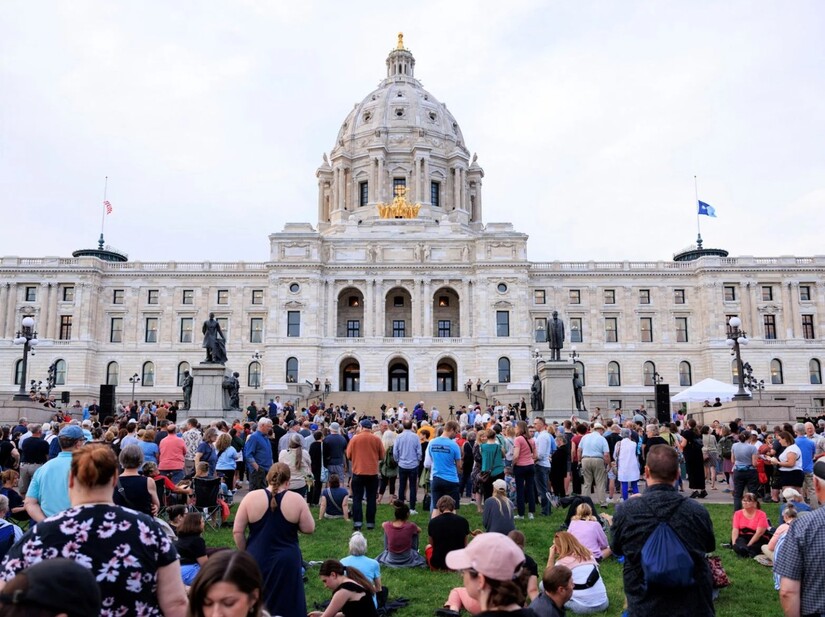
The timing of the governor’s push is closely tied to ongoing investigations and political pressure surrounding fraud in Minnesota’s human services programs, including Medicaid.
Federal officials have taken the unusual step of withholding hundreds of millions of dollars in Medicaid reimbursements to the state, citing concerns over what they described as unusually high levels of fraud within certain programs. The funding pause has intensified scrutiny of the Minnesota Department of Human Services and its oversight mechanisms.
Walz, along with Attorney General Keith Ellison, has challenged those federal actions in court, arguing that the funding decisions are politically motivated. A federal judge has allowed the funding deferrals to proceed for now, finding that the state had not yet demonstrated that federal officials acted in bad faith.
At the same time, the administration has proposed a series of reforms aimed at strengthening fraud detection and accountability, including changes to oversight structures within state agencies.
The governor’s broader effort to reshape oversight has encountered resistance at the Capitol, particularly in the evenly divided Minnesota House.
Republican lawmakers, including Rep. Paul Torkelson, have expressed skepticism about proposals that would centralize more authority within the Department of Human Services. Critics argue that expanding the agency’s control, while it is under scrutiny, risks compounding existing problems rather than resolving them.
Instead, some legislators have called for independent audits and structural reforms that distribute oversight more broadly.
The debate reflects a deeper divide over how best to respond to fraud while maintaining public trust in state systems.
The discussion around public records is also unfolding alongside heightened concerns about the safety of elected officials.
In March, a House committee advanced legislation that would remove lawmakers’ home addresses from publicly available campaign documents, reflecting a growing focus on personal security.
That concern has been shaped in part by the 2025 assassination of Melissa Hortman, an event that continues to influence how lawmakers approach both public access and personal privacy.
For many legislators, the question is no longer simply whether communications should be public, but how to balance transparency with the realities of an increasingly volatile political environment.
Walz’s call to open legislative emails arrives at a moment when questions of accountability extend across multiple layers of government.
Republicans have pressed for greater access to records tied to fraud investigations, while Democrats have defended the administration’s response and challenged the framing of federal actions against the state.
By shifting attention to legislative transparency, Walz has introduced a broader question: whether accountability standards should apply equally across all branches of government, even when doing so requires lawmakers to limit their own institutional protections.
Any change to Minnesota’s public records framework for the Legislature would require action from lawmakers themselves, either through internal rule changes or new legislation.
For now, the issue remains unresolved, but firmly embedded in a larger debate about how the government operates under scrutiny.
As the state navigates both a complex fraud investigation and a closely divided Legislature, the outcome of that debate will help define not only how decisions are made, but how visible those decisions are to the public.
MinneapoliMedia | Community. Culture. Civic Life.



Patchy rain nearby, with a high of 80 and low of 58 degrees. Sunny for the morning, thundery outbreaks in nearby in the afternoon, partly cloudy in the evening, clear overnight.