Image
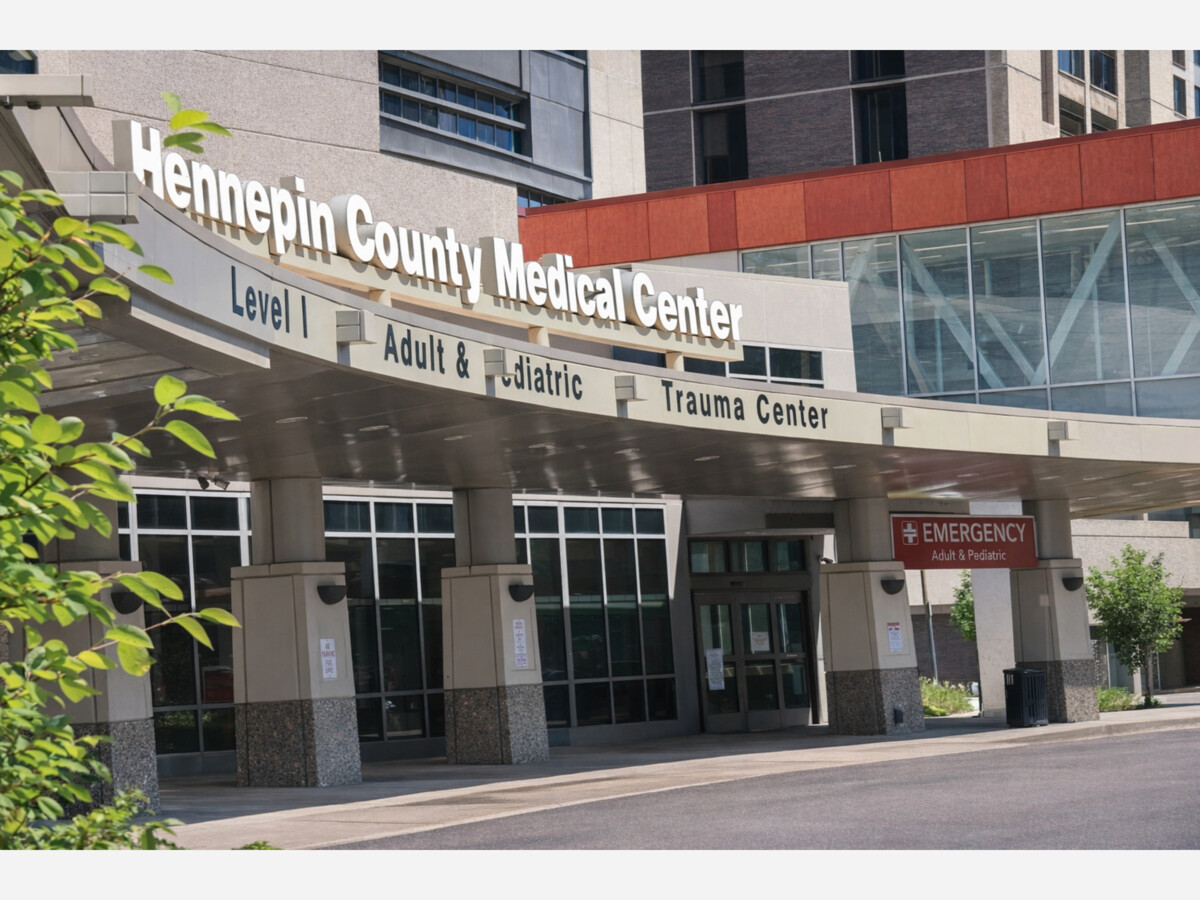



The bill, advanced on April 16 with bipartisan support under the committee chaired by Melissa Wiklund, now moves to the Senate Finance Committee for further review.
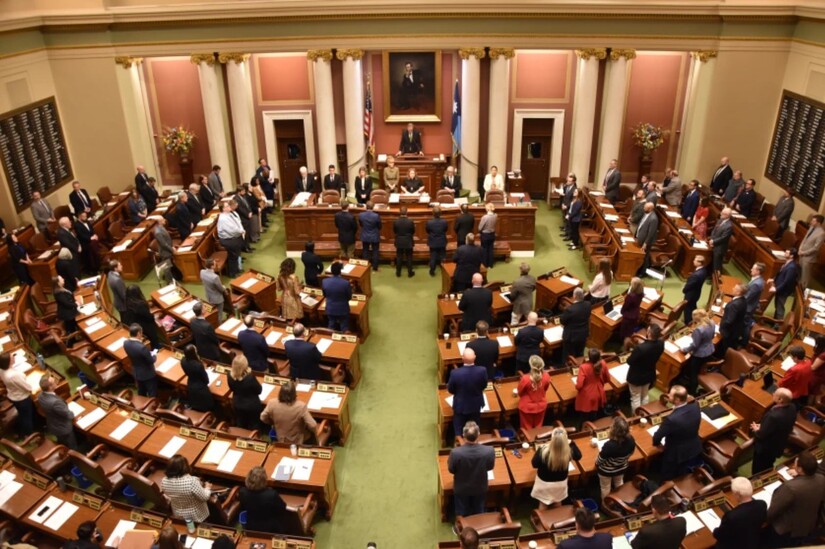
The central provision of the bill is a multi-part funding package designed to address financial pressures facing safety-net providers, with HCMC identified as a primary recipient.
The proposed allocations include:
Lawmakers have cited rising uncompensated care, increased operational costs, and shifting federal funding dynamics as key drivers behind the funding proposal.
HCMC, one of the state’s primary safety-net hospitals, provides trauma, emergency, and specialty care to a large share of uninsured and underinsured patients in Minnesota.
Legislative discussions surrounding the bill have been shaped by projected operating challenges at Hennepin Healthcare, including an anticipated budget shortfall and recent cost-reduction measures such as program closures and workforce adjustments.
State officials have also pointed to broader system pressures affecting hospitals across Minnesota, including:
The funding included in the bill is structured as a one-time stabilization measure, with lawmakers indicating that longer-term funding solutions remain under consideration.
In addition to healthcare funding, the bill allocates $70 million over four years to modernize information technology systems used by county human services departments.
The investment is intended to:
The proposal includes the creation of a state-county governance structure to guide implementation and ensure local input.
The legislation also includes more than $10 million in funding to address food insecurity statewide.
Provisions include:
Lawmakers cited rising food costs and increased demand for assistance programs as factors behind the allocation.
The omnibus supplemental budget bill is part of Minnesota’s mid-cycle budget process, allowing adjustments to previously enacted spending plans.
Following approval by the Senate Health and Human Services Committee, the bill will be reviewed by the Senate Finance Committee. Additional revisions are expected as the Senate and House reconcile budget proposals later in the legislative session.
Hennepin Healthcare operates one of Minnesota’s busiest emergency departments and the state’s only Level I adult trauma center in Minneapolis. Its financial stability has become a focal point in legislative discussions due to its role in serving high-need populations.
Lawmakers have indicated that maintaining access to emergency and safety-net services remains a priority as budget negotiations continue.
MinneapoliMedia | Community. Culture. Civic Life.


Sunny, with a high of 65 and low of 41 degrees. Sunny in the morning, overcast in the afternoon and evening, clear overnight.