66° and Partly cloudy
Image
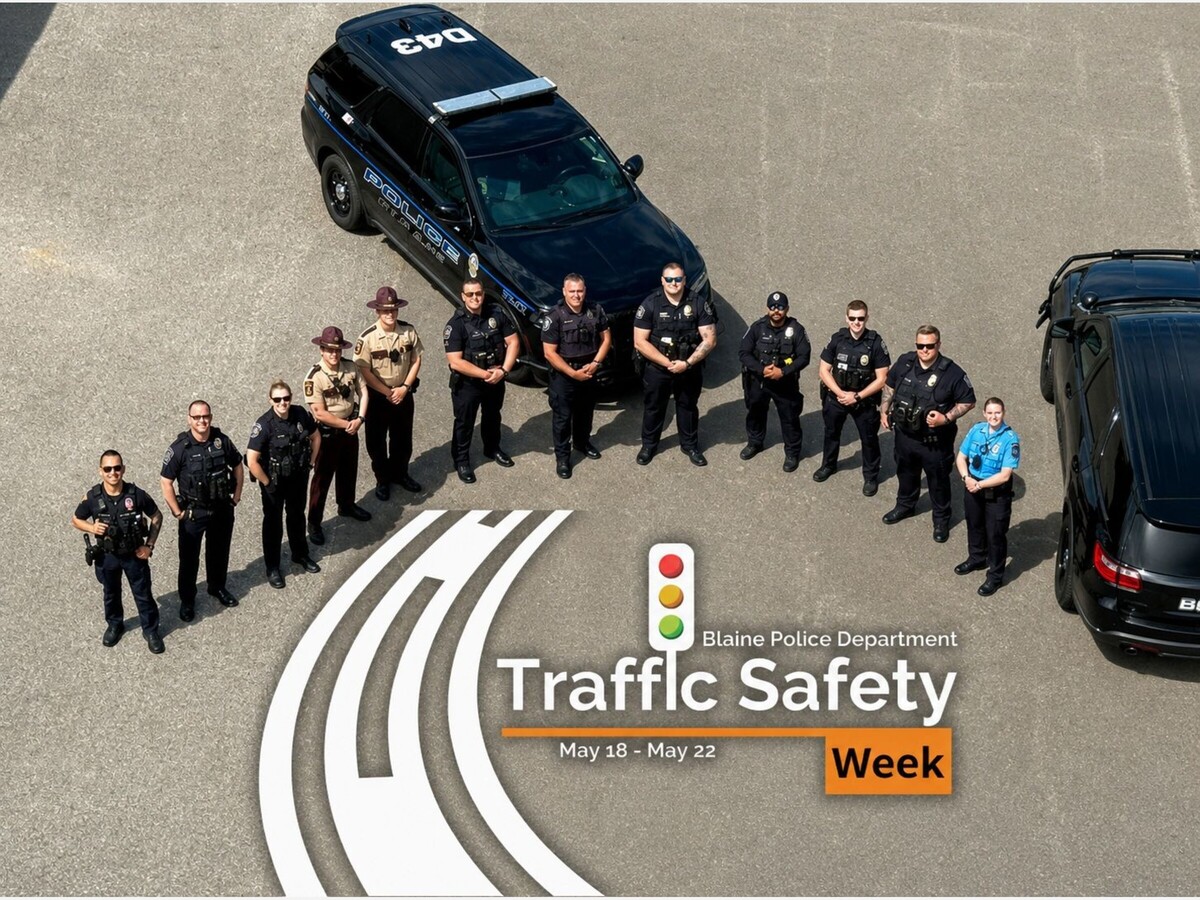



Blaine, MN (May 23, 2026) For several hours this week, major roadways cutting through Blaine became the focus of a concentrated regional enforcement operation aimed at one of Minnesota’s most persistent public safety threats: speeding, aggressive driving, and the split-second decisions that continue contributing to preventable roadway deaths across the state.
By the end of the initiative, officers from multiple agencies had stopped more than 160 motorists, issued dozens of citations, made several arrests, and uncovered evidence that dangerous driving behaviors may be escalating rather than receding across the north metro.
The Blaine Police Department released enforcement figures this week following a coordinated high-visibility traffic safety campaign conducted in partnership with the Minnesota State Patrol, Anoka County Toward Zero Deaths, the Anoka Police Department, the Coon Rapids Police Department, and City of Fridley Public Safety.
The operation focused heavily on speeding violations, seatbelt enforcement, and aggressive driving behaviors throughout Blaine’s major traffic corridors as part of Minnesota’s broader Toward Zero Deaths initiative, the statewide campaign designed to reduce serious injury and fatal crashes through coordinated enforcement, education, engineering, and emergency response strategies.
Minnesota Toward Zero Deaths Initiative
According to data released by Blaine police, officers conducted 161 traffic stops during the enforcement window, resulting in 70 formal citations, 116 warnings, and three arrests tied to criminal driving offenses or outstanding warrants discovered during traffic interactions.
The numbers reflect a substantial increase from the department’s comparable Traffic Safety Week operation in 2025, when officers conducted 116 traffic stops and issued 36 citations.
The nearly twofold increase in citations has intensified concern among regional public safety officials who say aggressive driving patterns continue appearing at troubling levels throughout Minnesota roadways despite years of public awareness campaigns.
Police officials characterized the latest enforcement totals as a reminder that speeding and unsafe driving behaviors remain ongoing threats across suburban commuter corridors increasingly shaped by heavier traffic volume, distracted driving, and elevated travel speeds.
“Speeding and unsafe driving behaviors continue to be a serious concern on our roads,” the Blaine Police Department stated in its public enforcement recap.
The timing of the operation carries additional significance.
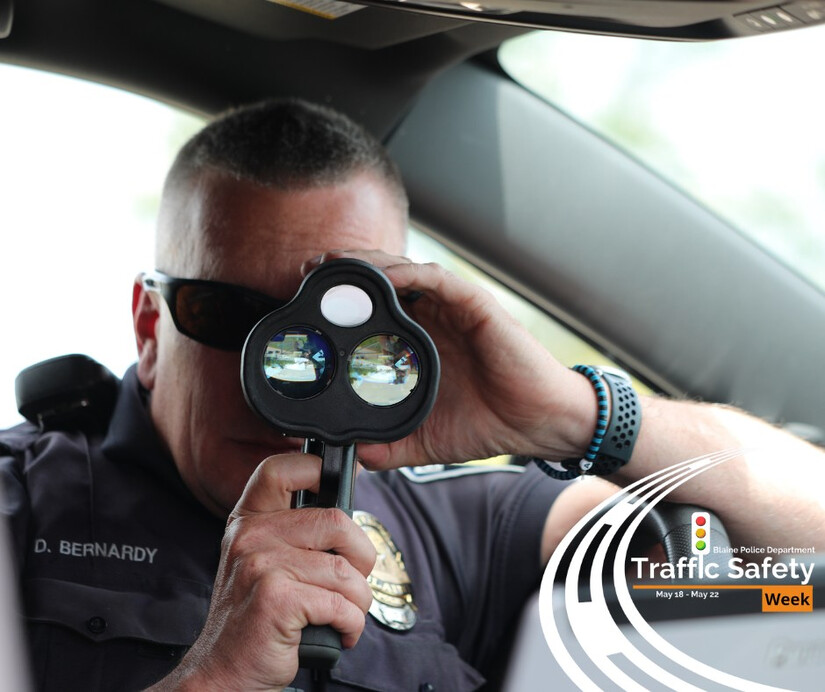
Law enforcement agencies across Minnesota frequently intensify traffic enforcement efforts ahead of Memorial Day weekend, which marks the unofficial beginning of the summer travel season. Traffic safety coordinators often refer to the period between Memorial Day and Labor Day as the “100 Deadliest Days” due to historically elevated crash rates involving speeding, impaired driving, distracted driving, and seatbelt noncompliance.
According to the Minnesota Department of Public Safety, speeding remains one of the leading contributing factors in fatal crashes statewide. State traffic safety officials note that higher vehicle speeds dramatically increase both collision risk and crash severity, reducing driver reaction time while amplifying the physical force transferred during impact.
Minnesota Department of Public Safety Office of Traffic Safety
Seatbelt compliance also remains a central focus of statewide traffic safety operations. Minnesota public safety officials have repeatedly stressed that seatbelts remain among the most effective tools for reducing fatal and serious injuries during crashes. Yet unrestrained occupants continue accounting for a disproportionate number of roadway fatalities each year.
The three arrests resulting from Thursday’s operation underscore another reality familiar to patrol officers throughout the country: traffic enforcement frequently uncovers criminal activity extending beyond the initial stop itself. Law enforcement officials routinely encounter impaired drivers, individuals with suspended licenses, narcotics violations, or active warrants during traffic-related interactions.
Still, behind the statistics lies a broader cultural challenge unfolding not only in Minnesota, but nationally.
Public safety experts increasingly describe dangerous driving as a behavioral and social issue shaped by stress, distraction, roadway impatience, smartphone dependency, commuter congestion, and shifting attitudes toward risk behind the wheel. Since the COVID-19 pandemic, transportation researchers and law enforcement agencies nationwide have documented increases in excessive speeding and reckless driving behaviors even as traffic volumes normalized.
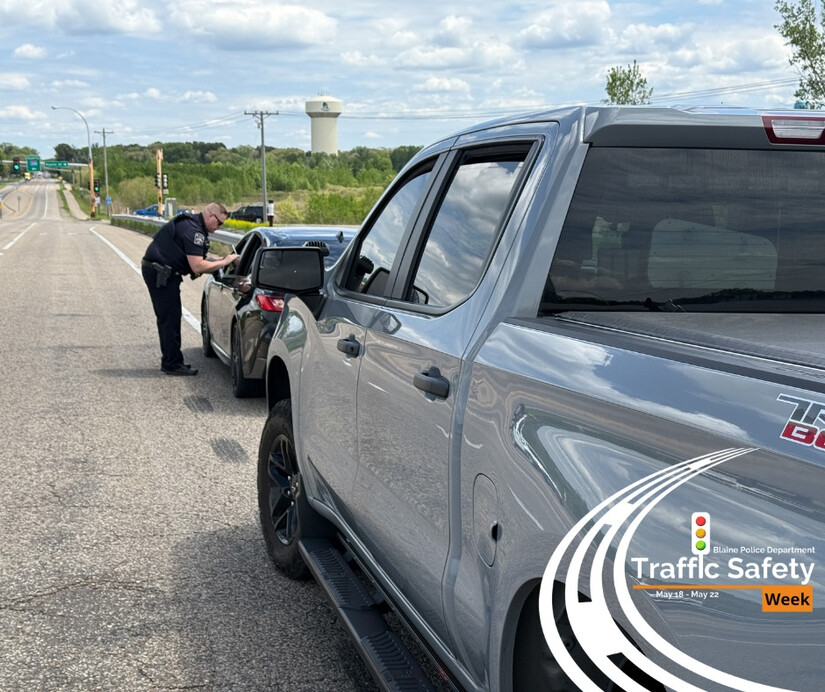
For officers participating in this week’s operation, the objective extended beyond ticket totals or arrest counts. High-visibility enforcement campaigns are designed primarily to interrupt dangerous behavior before it produces irreversible outcomes.
In practical terms, that means attempting to stop speeding vehicles before they become fatal crashes, seatbelt violations before rollover ejections, or aggressive driving encounters before lives are permanently altered on highways, intersections, and suburban arterial roads.
The operation also reflected a growing regional policing model built around interagency collaboration. By combining personnel and patrol visibility across neighboring jurisdictions, departments are able to expand enforcement coverage and create broader deterrence effects across heavily traveled commuter routes connecting north metro communities.
Traffic safety officials say similar Toward Zero Deaths enforcement windows will continue periodically throughout the summer travel season as agencies attempt to reduce preventable fatalities and maintain visibility on Minnesota roadways.
For many drivers, the operation may have resulted only in warnings, citations, or delayed commutes. But for the officers involved and the traffic safety officials analyzing statewide fatality data, the larger calculation remains measured in something else entirely: whether visible enforcement today prevents tragedy tomorrow.
MinneapoliMedia | Community. Culture. Civic Life.



Sunny, with a high of 87 and low of 64 degrees. Sunny during the morning, patchy rain nearby overnight.