Image
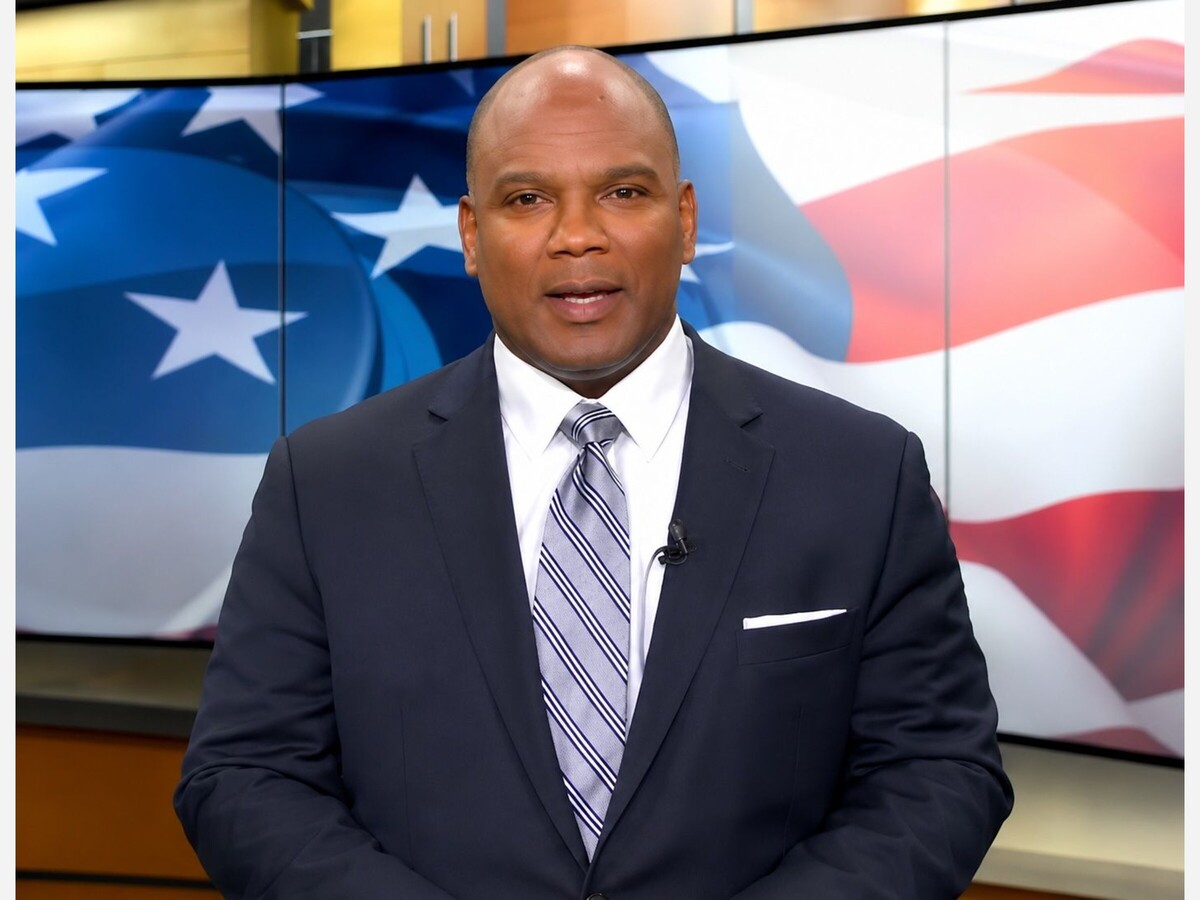



DULUTH, MN (May 31, 2026) Minnesota Republicans emerged from a contentious and at times chaotic state convention in Duluth this weekend with a gubernatorial nominee, but not necessarily complete unity.
After ten rounds of voting, technical delays, procedural disputes, and nearly an entire day of balloting, delegates to the Republican Party of Minnesota endorsed Kendall Qualls as their candidate for governor, elevating the businessman, Army veteran, and nonprofit founder to the front of the party's effort to win its first statewide executive office in two decades.
The endorsement, announced late Saturday evening, concluded one of the most closely watched Republican conventions in recent memory and immediately set the stage for what is expected to be a highly competitive general election campaign against the Democratic-Farmer-Labor Party's endorsed candidate, U.S. Senator Amy Klobuchar.
Yet beneath the celebration that followed Qualls' victory lies a more complicated political reality. Both major parties left their conventions displaying signs of internal tension. Both endorsed candidates face questions about party unity. And both will now attempt to persuade Minnesota voters that they represent the direction the state should take after a period marked by economic uncertainty, public concerns about government accountability, rising costs, housing pressures, public safety debates, and deep political polarization.
The campaign ahead is unlikely to resemble a traditional Minnesota gubernatorial contest.
Instead, it is increasingly shaping into a broader referendum on the future direction of state government itself.
The Minnesota Republican Party arrived in Duluth seeking clarity.
It left with an endorsement after one of the longest gubernatorial endorsement battles in recent state party history.
For much of Saturday, House Speaker Lisa Demuth appeared positioned to secure the endorsement. Demuth led the first several rounds of voting as delegates repeatedly cast ballots in an effort to produce a candidate capable of reaching the party's required 60 percent threshold.
Qualls remained close behind.
The race narrowed significantly after MyPillow founder Mike Lindell was eliminated from contention. As delegates supporting other candidates began realigning, Qualls gradually gained momentum and eventually overtook Demuth.
Complicating matters were technical problems involving electronic voting systems that delayed proceedings and sparked heated debate on the convention floor. Questions arose regarding whether voting should continue or whether previous ballots should be discarded. Delegates spent hours debating procedural issues before ultimately proceeding with the endorsement process.
When the final votes were counted, Qualls secured the endorsement.
The victory represented a significant achievement for a candidate who has spent years building relationships within Minnesota's conservative grassroots movement while presenting himself as an outsider capable of succeeding where more traditional Republican candidates have fallen short.
Qualls enters the general election carrying a biography unlike many recent Minnesota gubernatorial candidates.
An Army veteran and former healthcare executive, Qualls frequently describes his life story as central to his political worldview. He has often spoken publicly about growing up in poverty before building a successful business career, using that personal narrative to advocate for policies emphasizing economic opportunity, personal responsibility, education reform, and entrepreneurship.
He is also the founder of TakeCharge, a Minnesota-based nonprofit organization focused on strengthening families and expanding economic opportunity through community engagement and civic participation.
Politically, Qualls has positioned himself as an outsider candidate, arguing that Minnesota Republicans cannot continue employing the same electoral strategies that have produced two decades of statewide defeats. Republicans have not won a statewide office since Governor Tim Pawlenty's 2006 reelection campaign.
That argument resonated with enough convention delegates to deliver him the endorsement.
Whether it resonates with the broader Minnesota electorate remains the larger question.
Across the state in Rochester, Democrats conducted a significantly less dramatic convention.
Amy Klobuchar secured the DFL endorsement for governor on the first ballot, reinforcing her position as the party's overwhelming favorite heading into the fall campaign.
Yet even Klobuchar's convention revealed underlying divisions.
A challenge from younger progressive delegates demonstrated lingering tensions between the party's moderate and progressive wings. While Klobuchar won comfortably, the challenge highlighted an increasingly familiar reality within Minnesota politics: both parties are managing internal ideological debates while attempting to present unified fronts to general-election voters.
Klobuchar enters the race with a substantial statewide political résumé.
First elected to the U.S. Senate in 2006 after serving as Hennepin County Attorney, she has won four statewide Senate elections and remains one of Minnesota's most recognizable political figures. Her campaign has emphasized affordability, government competence, infrastructure investment, healthcare access, and protecting Minnesota from political instability originating in Washington.
The convention speeches offered an early glimpse into the competing arguments likely to dominate the months ahead.
Republicans are signaling that accountability will form the centerpiece of their campaign.
State GOP leaders repeatedly referenced concerns regarding fraud, waste, government inefficiency, and public trust. Those themes reflect broader Republican efforts to capitalize on public frustration surrounding high-profile state fraud investigations and ongoing concerns about government oversight.
For Qualls, the central message appears straightforward: Minnesota needs a governor willing to challenge existing systems and rethink how state government operates.
Democrats are presenting a different argument.
Klobuchar's campaign is framing the election around experience, stability, affordability, and effective governance. Her message emphasizes practical problem-solving, economic growth, and protecting state priorities amid ongoing national political turbulence.
The contrast is likely to define the race.
One candidate is arguing that Minnesota needs disruption.
The other is arguing that Minnesota needs steady management.
Despite the endorsements, neither party can yet assume complete unity.
Within Republican ranks, questions remain regarding whether all candidates and supporters will fully consolidate behind Qualls. Mike Lindell has publicly indicated he intends to continue pursuing the nomination through the August primary. Reports also suggest uncertainty remains regarding whether every convention rival will immediately exit the race.
The DFL faces its own challenge of maintaining enthusiasm among both moderate and progressive factions heading into November.
Those realities mean Minnesota's August primary elections may still shape the trajectory of the general election.
Minnesota has long been viewed as one of the nation's most politically competitive states.
Recent elections have frequently been decided by narrow margins. Control of the Minnesota House remains closely divided. Urban, suburban, and rural voters continue to display markedly different political priorities. The state's demographic and geographic complexity has made it increasingly difficult for either party to build a durable statewide majority.
The 2026 governor's race arrives at a moment when many Minnesotans are asking fundamental questions about affordability, public safety, healthcare costs, housing availability, government accountability, education outcomes, and economic opportunity.
Those issues extend far beyond party conventions.
They touch everyday life.
For Republicans, Kendall Qualls represents an opportunity to break a twenty-year statewide losing streak and persuade voters that change is necessary.
For Democrats, Amy Klobuchar represents continuity, experience, and a governing philosophy that has repeatedly won statewide support.
The conventions in Duluth and Rochester may have ended.
The real campaign has only just begun.
MinneapoliMedia | Community. Culture. Civic Life.

Sunny, with a high of 73 and low of 49 degrees. Sunny in the morning, clear in the afternoon and evening, smoky haze overnight.