68° and Patchy rain nearby
Image
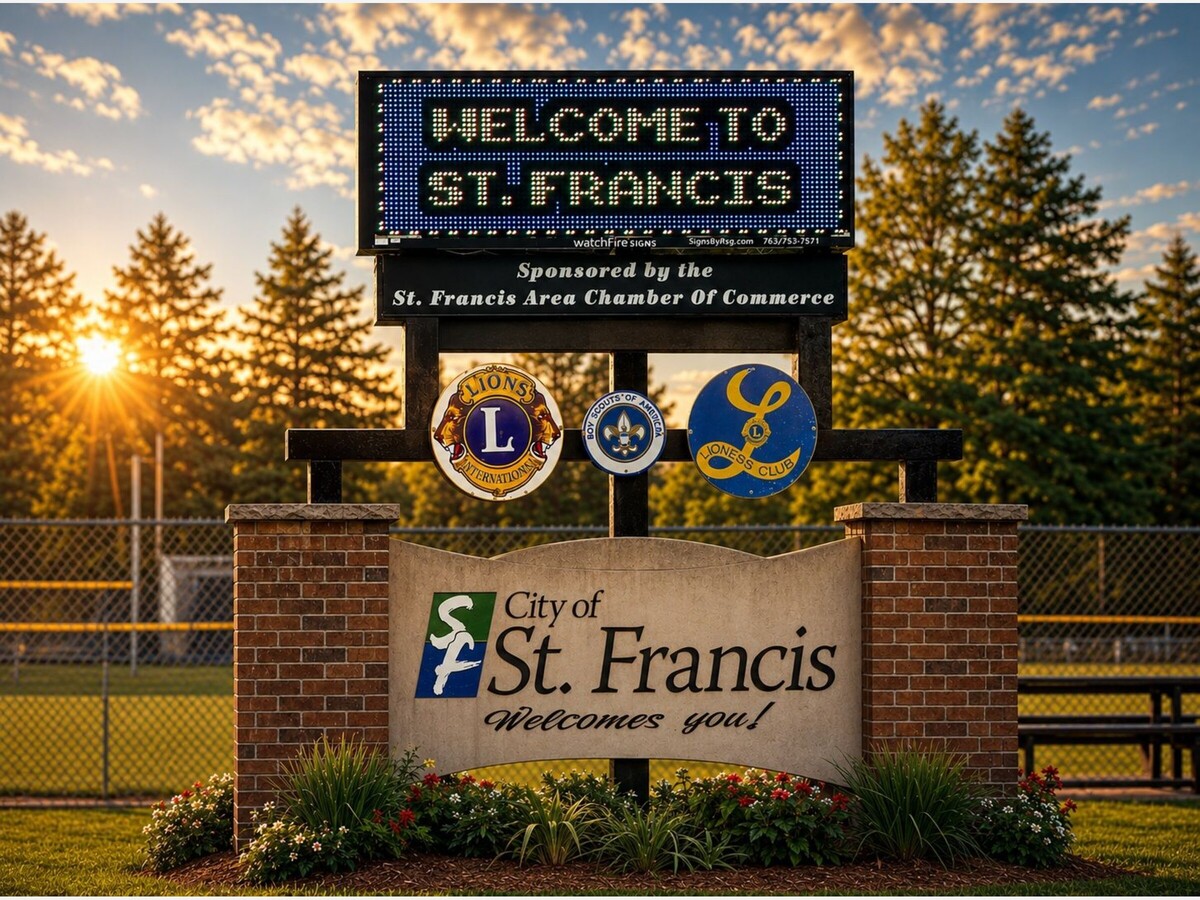



ST. FRANCIS, MN. Every community possesses traditions that serve as far more than mere dates on a calendar. They become cultural gathering points, definitive markers of identity, and rare opportunities for residents to reconnect with neighbors, celebrate a shared history, welcome visitors, and reflect on the people and institutions that shaped the place they call home. For the City of St. Francis, that foundational tradition is Pioneer Days.
Hosted annually by the St. Francis Area Chamber of Commerce, Pioneer Days is a multi-day community celebration that draws residents from across the region for a weekend of music, commerce, and civic life. On the surface, the itinerary resembles many successful summer festivals across the state: children competing in the Kid Tractor Pull, families learning about raptor conservation from The Raptor Center, and neighbors tracking down the annual festival medallion.
Yet spending time among the people who make this event possible reveals something much deeper. This celebration is not simply an exercise in entertainment. It is an intentional preservation of local culture, surviving and thriving despite rapid technological disruption, shifting economic realities, and a society increasingly conducted through screens rather than face-to-face interaction.
Walking through the festival grounds this year offered a potent reminder that some of the most critical stories in Minnesota are not found in legislative chambers, corporate boardrooms, or statewide political campaigns. Instead, they are found inside a vendor tent, within a conversation with a small-business owner, and in the lives of those who spend decades quietly serving their community without expecting recognition. Pioneer Days provided all three.
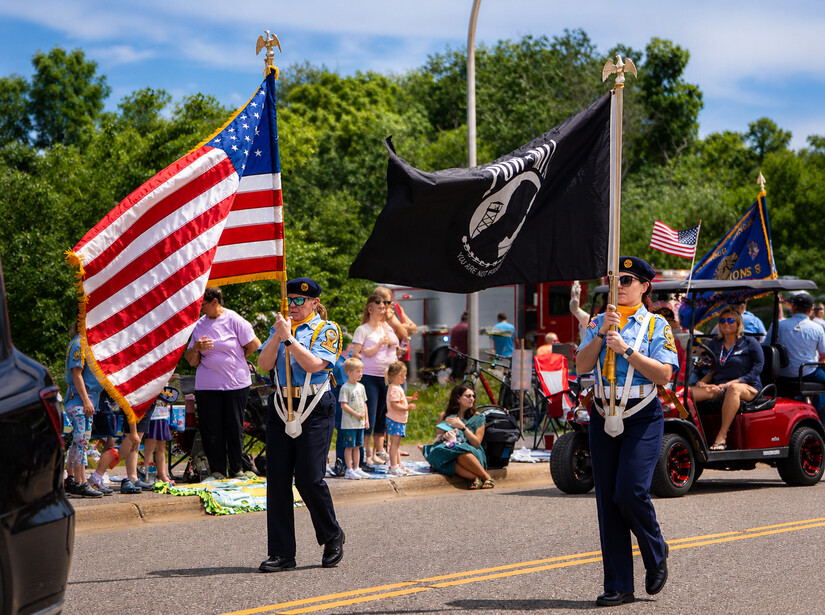
Community celebrations occupy a sacred space in American civic life. They serve as cultural anchors, bringing together populations that might otherwise never intersect: parents and grandparents, new residents and lifelong locals, business owners and customers, volunteers and public officials. In an era where modern life has become fundamentally fragmented, this role is more vital than ever.
Today, remote work is standard, commerce has shifted to digital storefronts, and entertainment streams directly into isolated homes. While the convenience of technology has created undeniable benefits, it has also systematically eroded the informal, spontaneous interactions that once bound towns together.
Festivals like Pioneer Days push directly against this isolating trend. They encourage people to step across their thresholds, engage in spontaneous conversation, and participate actively in the civic square. Visitors arrive expecting standard festival fare: rides, food, and music. What they ultimately discover is something far more valuable: genuine connection.
This connection was visible across every acre of the grounds. Neighbors greeted one another, children explored attractions with unclouded excitement, and business owners introduced themselves to prospective customers. The event functioned as a temporary public square, uniting people who share a common stake in the future of St. Francis.
Every meaningful community celebration tells two stories simultaneously. One story focuses on the vibrant present, while the other honors the historic scaffolding built by the people who came before. This year, Pioneer Days offered a powerful bridge between these eras through the selection of the 2026 Grand Marshals: Tim and Rich Holen.
The brothers were honored for five decades of unbroken service, dedication, and support to St. Francis through their leadership at St. Francis Hardware, alongside their extensive involvement in community organizations and local initiatives. According to festival organizers, Tim and Rich had been asked numerous times over the years to serve as Grand Marshals, consistently declining the spotlight before finally agreeing to accept the honor in 2026.
Their selection reflects the enduring small-town values that communities like St. Francis must continue to champion. For decades, St. Francis Hardware represented far more than a retail storefront; it was a civic institution. Residents relied on the store not just for supplies, but for the hard-won expertise, advice, and neighborly assistance that cannot be replicated by a big-box retailer or an algorithm.
Though the brothers have transitioned into retirement, their impact remains woven into the daily life of the city. In honoring Tim and Rich Holen, Pioneer Days recognized a permanent truth: communities endure only because people choose to invest their lives into them.
One of the most revealing dimensions of Pioneer Days was the opportunity to meet the modern entrepreneurs whose livelihoods depend entirely on personal relationships and community engagement. Economic development conversations frequently focus on industrial expansions, municipal infrastructure investments, and corporate job creators. Those macro-level topics matter, but an equally vital parallel economy exists alongside them. It is an economy built by individuals, operating through relationships and growing entirely on trust.
The vendor area at Pioneer Days offered a clear window into that world, where each booth represented an independent owner willing to invest time, capital, and physical effort into reaching customers face-to-face.
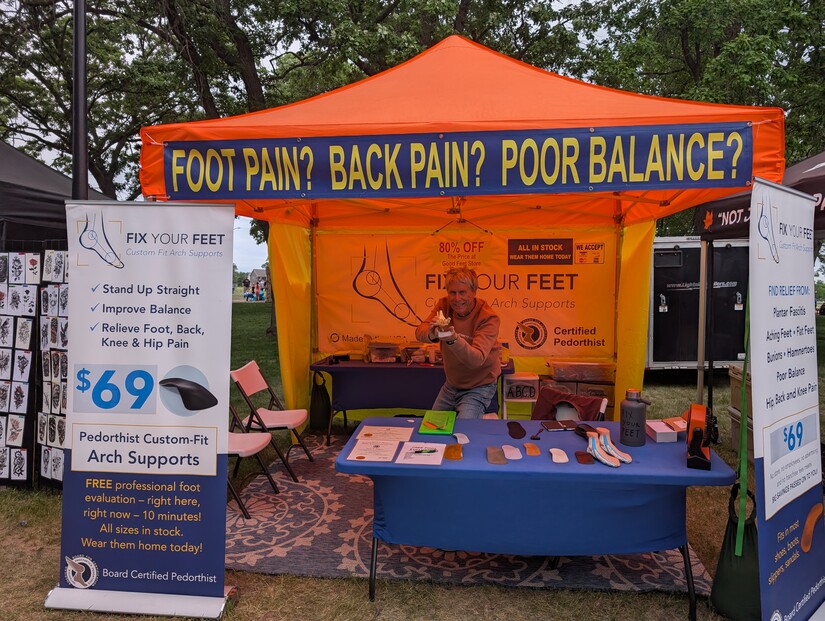
Among the businesses participating was certified pedorthist Mark Algren. For many visitors, his work introduced a vital healthcare profession they may never have encountered. Specializing in footwear, orthotics, and solutions designed to improve foot function, mobility, and structural alignment, Algren’s field sits at the crucial intersection of biomechanics and preventive care.
Throughout the weekend, Algren demonstrated the meticulous process of evaluating a customer's gait and foot structure. What stood out most, however, was the educational nature of the exchange. Small-business owners frequently must serve as educators before they can act as entrepreneurs; before a customer can appreciate a specialized solution, they must first understand the underlying anatomy of the problem. This hyper-personalized attention illustrates exactly what large, centralized operations lose in scale: the human relationship becomes an intrinsic part of the service.
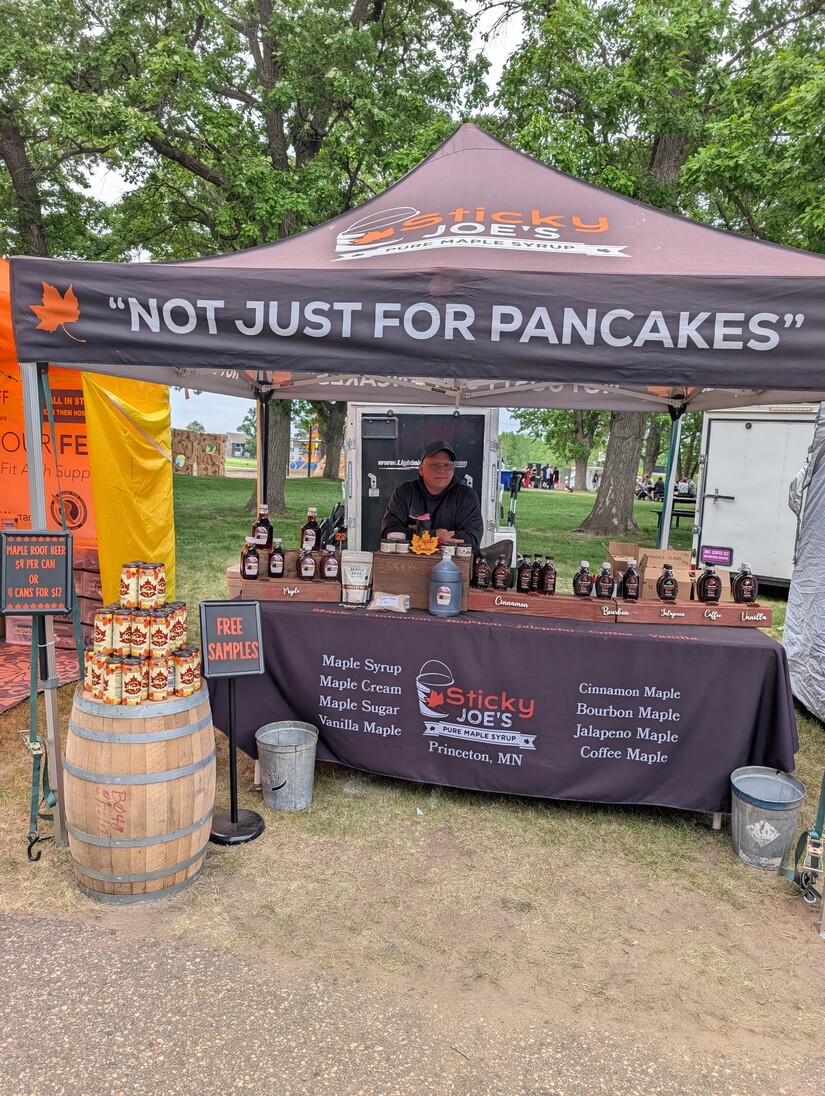
A few rows over stood Joe Sylvester, known affectionately to his deep customer base as "Sticky Joe." Based out of Princeton, Sylvester has spent more than a decade building an artisanal business centered around maple syrup and specialty maple products. In many ways, his business represents a commerce model that has existed in rural Minnesota for generations: a local producer creating an exceptional product and bringing it directly to the people.
What makes the model remarkable today is its sustained success against global online retailers. Sylvester’s approach remains refreshingly direct. He meets customers where they are, builds trust through authentic conversation, and lets the quality of the harvest speak for itself.
This burgeoning artisan sector was further exemplified by Wrecked Foods, a St. Francis-based business producing small-batch hot sauces, mustards, and seasoning blends. The owner noted that local markets and community festivals remain absolutely central to their growth strategy.
Consumer interest in locally produced goods with identifiable origins has expanded significantly over the past two decades. For these entrepreneurs, success depends on constant visibility and cultivating loyalty one handshake at a time. Collectively, these seemingly small exchanges are the financial bedrock that sustains independent regional economies.
Technology has permanently altered the landscape of global commerce. Digital marketplaces provide convenience on an unprecedented scale, yet the rise of e-commerce has not made personal interaction obsolete. If anything, it has exponentially increased its value.
In a homogenized market, people are starving for authenticity. They want to know the faces behind the products they bring into their homes. They want confidence that a service will deliver as promised, and they want to belong to something local.
As Pioneer Days drew residents together once again, it became clear that the celebration represents something far larger than a weekend of entertainment. It serves as an annual reaffirmation of civic identity. It creates spaces where stories intersect: where the Holen brothers represent the bedrock of the chapters that came before, and the emerging makers writing the next chapter of St. Francis stand beside them.
The rides will eventually be dismantled, the tents will come down, and the crowds will return home. Yet the relationships strengthened, the small businesses discovered, and the community spirit reaffirmed will remain long after the final booth is packed away. That is the enduring legacy of Pioneer Days, reminding a community exactly who it is.
MinneapoliMedia | Community. Culture. Civic Life.



Overcast, with a high of 72 and low of 57 degrees. Overcast for the morning, partly cloudy overnight.