67° and Patchy rain nearby
Image
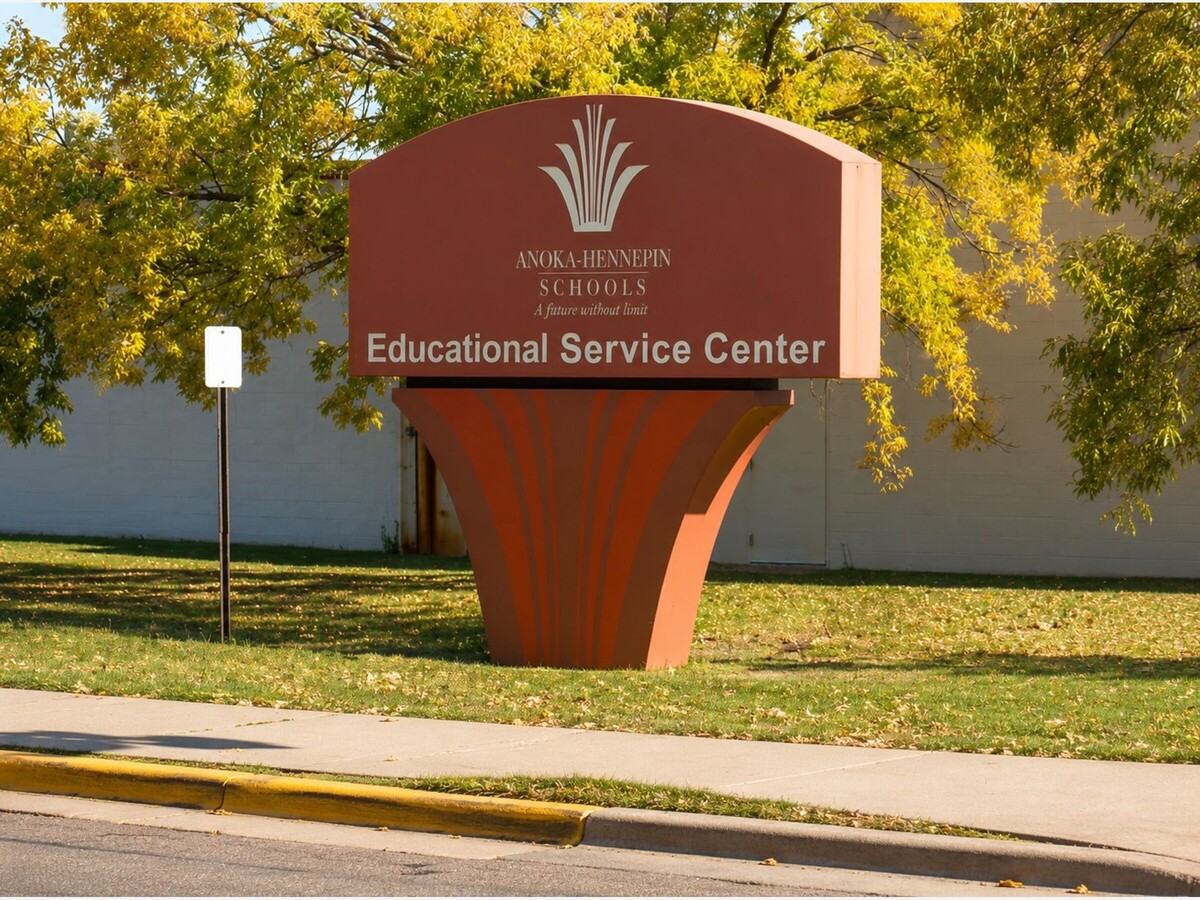



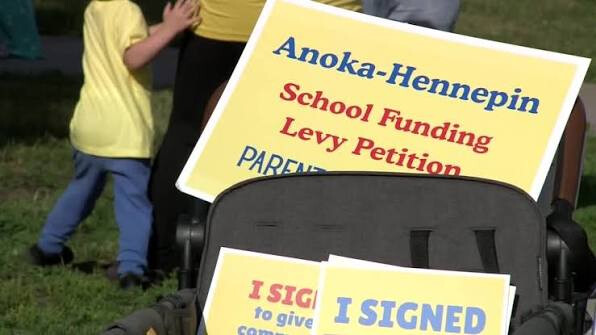
The delivery of the petition by the nonprofit Parents for Good comes as the state's largest school district prepares for a major leadership transition, with a new superintendent scheduled to take office next month amid a climate of intense structural budget debates.
Organizers launched the signature drive to counter severe financial constraints that led the district to eliminate more than $22 million from its operating budget. The sweeping fiscal corrections reduced more than 275 positions through layoffs, attrition, and staffing cuts. District records indicate that at least 75 direct employee layoffs were implemented to balance the ledger.
Supporters argue that the proposed referendum is a necessary intervention to stabilize classroom resources, maintain staff ratios, and preserve critical support services.
"After $22 million in cuts, we have schools right now that have over 1,000 kids that have one social worker," Parents for Good co-founder Sheighlyn Berbig stated in a recent interview with WCCO Radio. "That's not sustainable. It's not good for our kids."
The formal submission follows an official presentation of intent during the June 22 school board meeting, where co-founder Michelle Powers detailed the broad geographic and demographic reach of the 3,000 signatories.
"We recognize the difficult decisions this board has faced," Powers told board members. "We know that balancing budgets while meeting the needs of students is not easy. At the same time, after more than $22 million in cuts and the loss of more than 275 positions, many community members believe it is time to give the voters the opportunity to weigh in on the future of school funding."
Despite the volume of community signatures, the initiative faces an immediate legal and procedural hurdle over whether a citizen-led petition can lawfully mandate a school funding election in Minnesota.
District spokesperson Jim Skelly reiterated that the school board holds exclusive authority to place an operating levy before voters. According to district legal counsel, along with guidance from the Minnesota School Boards Association and the Association of Metropolitan School Districts, a 2009 legislative amendment effectively revoked the statutory provision that permitted voter-initiated levy petitions.
"Anoka-Hennepin appreciates the advocacy of parents and community members as it relates to improving outcomes for students in our schools," Skelly said in an official statement. "The School Board has discussed the topic of offering a referendum election but has not arrived at a decision on this matter. The District and its legal counsel are aware of the petition drive and have advised the advocacy group that operating levies can only be commenced by action of the school board but not voter petition."
Conversely, legislative education analysts point to an unresolved statutory conflict. While the specific K-12 education funding laws were altered 15 years ago, a separate parallel chapter of Minnesota election law was left untouched and continues to explicitly permit voter petitions for local ballot questions. This statutory inconsistency means the final determination could ultimately require judicial review if the board declines to act.
Public sentiment throughout the North Metro remains divided. During recent public comment sessions, several residents voiced opposition to increasing local property taxes. Some community members argued that the district must demonstrate improved academic outcomes and higher standardized testing metrics before asking homeowners for additional financial support, while others questioned whether local taxpayers should bear the burden of filling gaps left by expiring federal funds.
The proposed referendum outlines a two-pronged local tax adjustment:
The first question requests an additional $756.63 per pupil, which would generate more than $30 million annually for core district operations. The second question seeks $275 per pupil to bring in an estimated $11 million per year for targeted student services.
Combined, the measures would inject more than $41 million annually into the district's operational budget. Financial models show the combined package would increase property taxes by approximately $37 per month, or roughly $444 annually, for a home with an assessed market value of $400,000. District officials confirmed that the first question represents the largest single operating levy request in Anoka-Hennepin history.
The district has a varied track record with local funding ballot measures. In 2017, voters approved the Fit for the Future bond initiative, which successfully funded classroom additions, security infrastructure upgrades, and a major expansion at Champlin Park High School that eliminated the use of temporary portable classrooms. However, in 2021, voters rejected a proposed $260 per-pupil operating levy increase intended to permanently sustain student support and mental health roles created during the pandemic, though they did approve two separate levy renewals that same year.
With the petition now officially in the hands of the district, the proposal rests with the seven-member school board. To meet the state's strict statutory certification deadlines for the upcoming general election, the board must pass an official referendum resolution no later than August 11, 2026.
MinneapoliMedia | Community. Culture. Civic Life.

Sunny, with a high of 90 and low of 63 degrees. Patchy rain nearby in the morning, sunny for the afternoon, clear during the evening, patchy rain nearby overnight.