85° and Overcast
Image




MINNEAPOLIS, MN (August 9, 2026). Minnesota's hemp-derived THC industry received a potentially important reprieve this weekend after the U.S. Senate advanced legislation that would postpone implementation of a looming federal prohibition threatening products that have become commonplace in Minnesota liquor stores, breweries, restaurants and specialty retailers.
The Senate action does not permanently resolve the conflict, nor does it guarantee that Minnesota's existing hemp market will survive unchanged. But for businesses staring at a November deadline capable of dramatically disrupting the state's low-dose THC industry, additional time could prove enormously consequential.
The Senate passed a broader government funding measure early Saturday containing a temporary delay of the federal hemp restriction. The legislation must still clear the U.S. House before the reprieve becomes law.
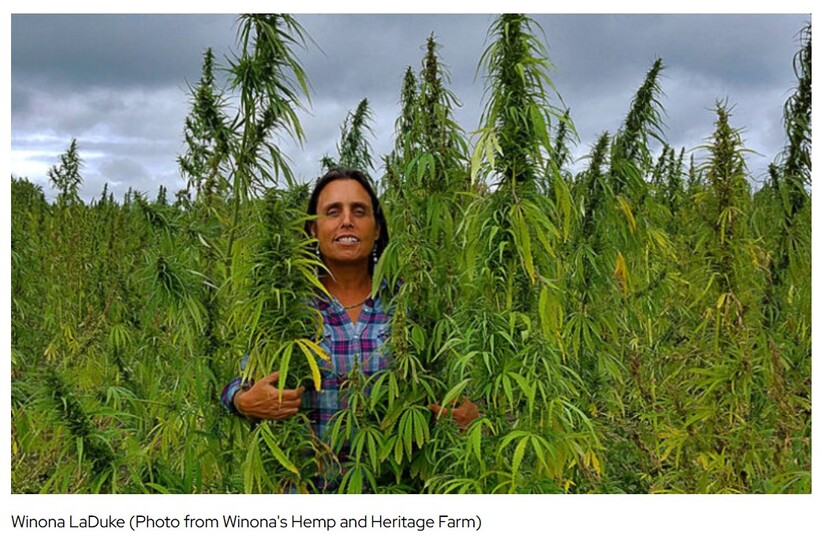
Minnesota became one of the country's most visible markets for hemp-derived THC beverages and edibles after state lawmakers established a regulated framework allowing low-dose products. THC drinks subsequently moved beyond dispensaries and specialty retailers and appeared in breweries, restaurants, liquor stores, entertainment venues and other retail environments.
Minnesota entrepreneurs invested in manufacturing, distribution, branding and retail operations built around a market state government had expressly chosen to regulate. That ecosystem is now threatened by federal action.
Congress changed federal hemp law in 2025 in a way that would severely restrict many intoxicating hemp-derived products. The new federal definition is scheduled to take effect in November.
For Minnesota businesses, the problem is not theoretical. Products that can legally be produced and sold under Minnesota's regulatory system could become impermissible under federal law.
That collision between state regulation and federal prohibition has left businesses confronting an uncomfortable question: What happens to an industry Minnesota allowed them to build if Washington suddenly changes the rules?
U.S. Sen. Amy Klobuchar of Minnesota has been among lawmakers pushing to postpone implementation. Supporters of a delay argue that Congress needs additional time to create a workable regulatory framework rather than abruptly eliminating a legal marketplace that has developed across multiple states.
The Senate's weekend action moves that effort forward, but the delay is temporary. It should therefore be understood as breathing room, not victory. The larger dispute remains unresolved.
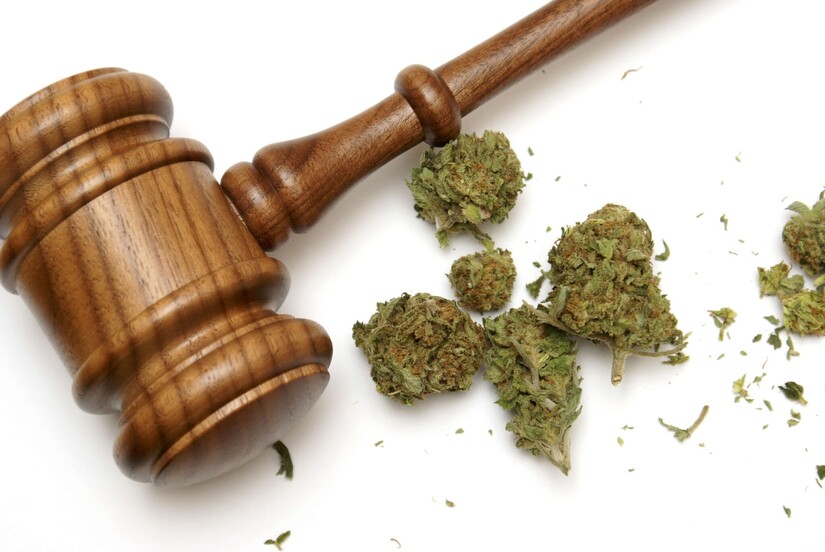
Critics of intoxicating hemp products have raised concerns about psychoactive products being sold under rules originally created for industrial hemp. They have questioned inconsistent state regulations, youth access, labeling, dosage and products designed in ways that could appeal to children.
Industry advocates counter that an outright federal prohibition would destroy responsible businesses along with problematic operators. They argue that regulation, testing, age restrictions, labeling standards and enforcement provide a better solution than effectively eliminating the market.
Minnesota offers an important test of that argument because the state has already chosen regulation rather than prohibition.
The House must still act. If the delay becomes law, Congress will gain additional time to determine whether a longer-term compromise is possible.
That could include national standards governing potency, age restrictions, packaging, testing and allowable hemp-derived products. For Minnesota businesses, predictability may be almost as important as the ultimate regulatory details.
Companies cannot easily make hiring decisions, order inventory, negotiate distribution agreements or invest in expansion when the legal status of their primary products could change within months. The uncertainty affects farmers and manufacturers upstream and retailers, restaurants and consumers downstream.
Minnesota built a regulated market. Businesses responded, consumers responded and an industry formed. Congress now has to decide whether that marketplace has a future.
The Senate bought it some time. Minnesota's hemp businesses are waiting to see what Washington does with it.

Local stories matter. Subscribe free to MinneapoliMedia and receive independent news, community reporting and important updates from Minneapolis, the North Metro and communities across Minnesota.
SUBSCRIBE FREE: https://minneapolimedia.town.news/subscribe
MinneapoliMedia | Community. Culture. Civic Life


Sunny, with a high of 86 and low of 50 degrees. Partly Cloudy for the morning, overcast in the afternoon, clear overnight.