85° and Overcast
Image
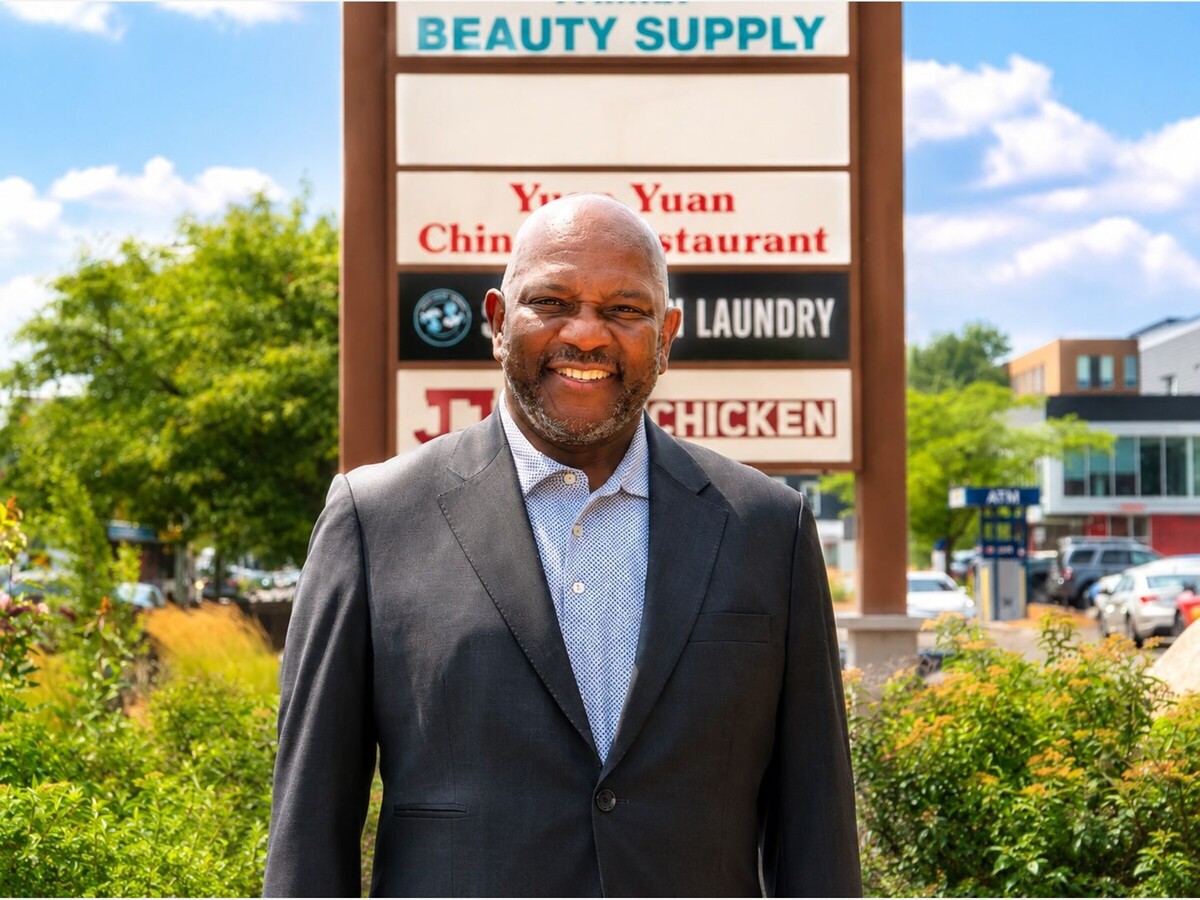



MINNEAPOLIS, MN (August 9, 2026). For generations, residents of Black neighborhoods across America have watched a familiar economic cycle unfold. A neighborhood struggles with disinvestment, property values stagnate and businesses leave. Public and private investment eventually returns, development accelerates and property values rise. Too often, however, the people who endured the years of neglect own too little of the appreciating commercial property to share substantially in the wealth created by the neighborhood's revival.
A North Minneapolis real estate project is attempting something different.
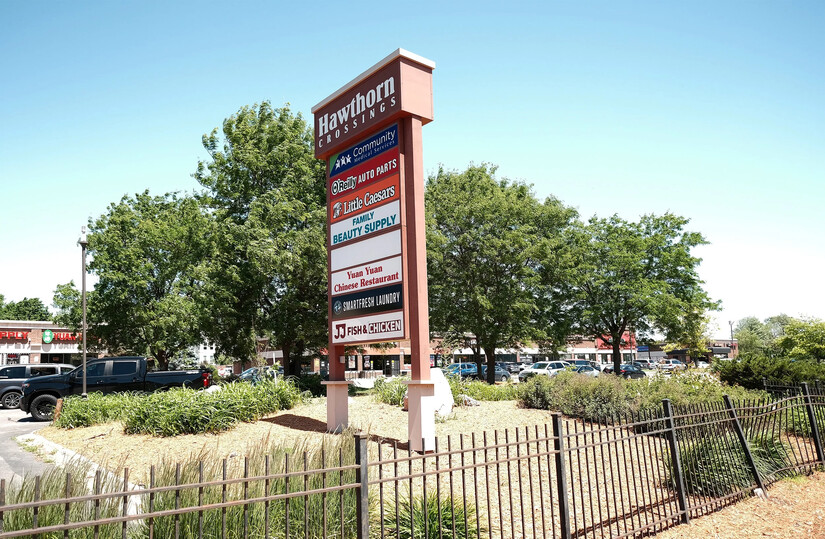
Chicago TREND Corporation is working to acquire Hawthorn Crossings, a 51,459-square-foot shopping center along West Broadway Avenue, while inviting ordinary community members to become investors in the property. The minimum investment has been set at $1,000.
The idea is deceptively simple: people who live in and around North Minneapolis should have an opportunity not only to shop in neighborhood commercial properties but to own part of them.
Hawthorn Crossings sits along West Broadway in a part of Minneapolis that has experienced decades of uneven investment.
Chicago TREND's plan is to acquire the property, strengthen existing businesses, fill vacancies, attract additional minority-owned businesses and create employment while allowing community investors to participate financially in the property.
That last component makes the project unusual. Commercial real estate ownership is ordinarily inaccessible to households without significant capital.
A resident may spend thousands of dollars every year at neighborhood businesses without owning any portion of the buildings in which those businesses operate. If redevelopment increases the property's value, the benefit flows principally to the owner.
TREND is attempting to alter that relationship by allowing smaller investors to purchase ownership interests alongside larger investors.
Residents and other investors have been able to participate beginning at $1,000. An additional incentive made the opportunity particularly noteworthy for nearby residents.
Qualifying people living in three ZIP codes surrounding the property were offered access to a philanthropic matching program under which a $1,000 personal investment could receive another $1,000 in matching funds. That would create a $2,000 ownership position from the resident's original $1,000 contribution.
The investment remains an investment. It is not a savings account, and returns are not guaranteed. Commercial properties can lose value, tenants can leave, expenses can increase and redevelopment plans can underperform.
Any resident considering such an investment should understand those risks and review the formal offering materials rather than treating projected returns as promises. But the opportunity itself challenges a longstanding feature of neighborhood development.
Residents are being invited to participate on the ownership side of the transaction.
TREND spent approximately 18 months examining potential Twin Cities investments before focusing on North Minneapolis.
West Broadway is particularly significant because considerable public and private investment is expected to reshape portions of North Minneapolis in coming years. Transportation improvements and other development could increase economic activity and property values along the corridor.
That presents opportunity, but it also presents a familiar danger.
Communities that survive disinvestment can become economically vulnerable when investment finally arrives. Property becomes more valuable, rents increase and outside capital recognizes opportunities local residents were rarely given the resources to capture.
People who helped sustain a neighborhood through its difficult years can then discover that they have little ownership in its more prosperous future.
Community ownership cannot by itself prevent displacement or solve Minnesota's enormous racial wealth disparities. A $1,000 investment will not erase generations of unequal access to property, credit and capital.
Nor should Hawthorn Crossings escape scrutiny simply because its stated mission is attractive.
Community investors should understand how the ownership structure works, the fees, voting rights, distributions, risks, liquidity and who ultimately controls decisions about the shopping center.
Community wealth building works only when the community possesses meaningful economic participation, not merely an inspirational description of it.
But the underlying question raised by Hawthorn Crossings deserves attention throughout Minneapolis: Who owns the neighborhood?
North Minneapolis has no shortage of people who spend money. The more difficult challenge has historically been ensuring that enough of the assets receiving that money are owned by people connected to the community.
Income pays bills. Ownership builds wealth. Appreciating assets can transfer that wealth across generations.
That is why Hawthorn Crossings represents something larger than another commercial real estate transaction.
TREND says more than 460 people have invested across its portfolio, with approximately 70 percent of those community investors being people of color and 44 percent women. The company says it has also helped more than 23 local and Black-owned businesses establish locations in its properties.
Now the model is arriving in Minneapolis.
The test will be whether Hawthorn Crossings can produce both a successful shopping center and meaningful economic participation for the community around it.
North Minneapolis should not have to choose between disinvestment and displacement. There must be a third possibility: investment with ownership, development with participation and growth that creates assets inside the community instead of merely increasing the value of assets owned somewhere else.
Hawthorn Crossings will not answer that challenge by itself. But it is putting the right question on West Broadway: If North Minneapolis becomes more valuable, who gets to own a piece of that value?

Local stories matter. Subscribe free to MinneapoliMedia and receive independent news, community reporting and important updates from Minneapolis, the North Metro and communities across Minnesota.
SUBSCRIBE FREE: https://minneapolimedia.town.news/subscribe
MinneapoliMedia | Community. Culture. Civic Life

Sunny, with a high of 86 and low of 50 degrees. Partly Cloudy for the morning, overcast in the afternoon, clear overnight.