59° and Partly Cloudy
Image
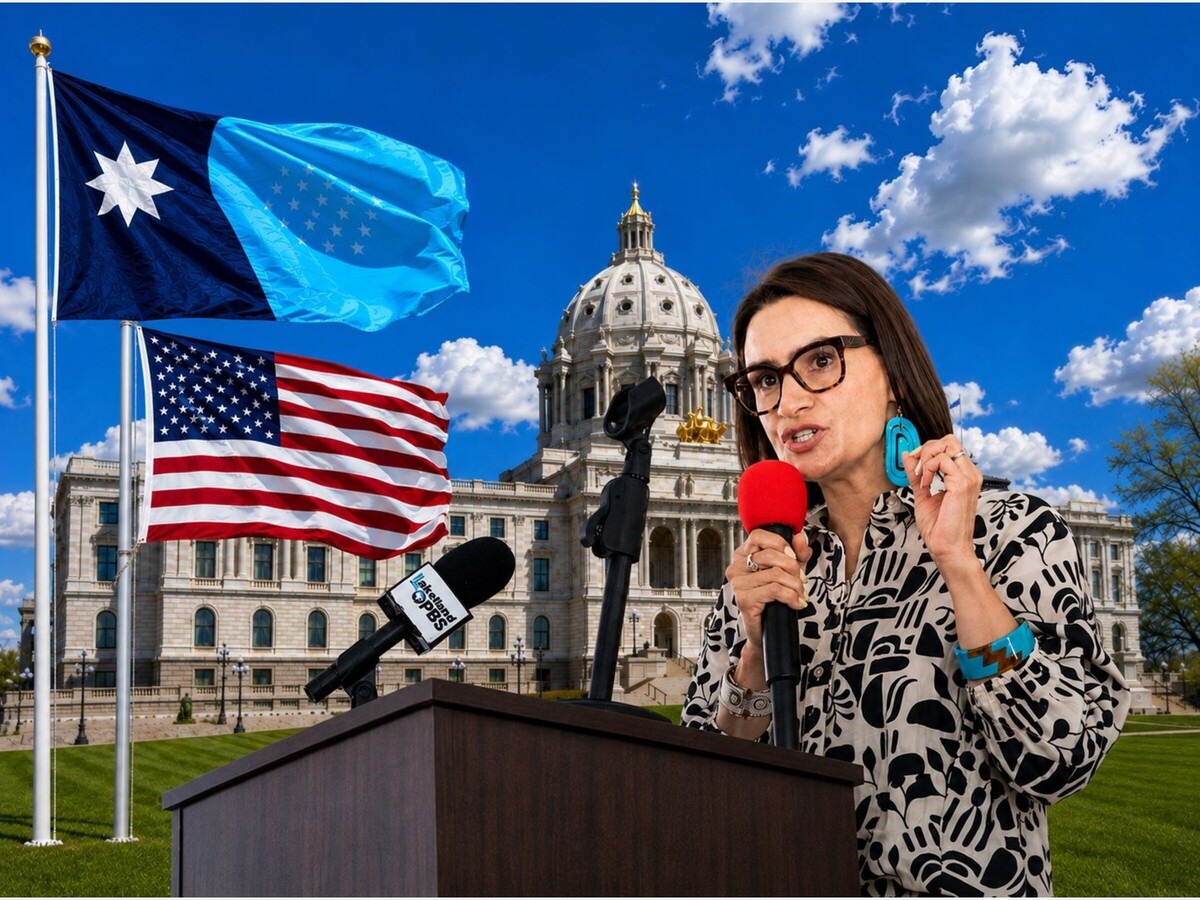



ST. PAUL, MN (June 29, 2026) Minnesota Lieutenant Governor Peggy Flanagan is making health care affordability one of the defining pillars of her campaign for the United States Senate, arguing that the rising costs of insurance, prescription medications and medical care have become one of the greatest financial pressures facing working families across Minnesota.
Flanagan, who secured the Minnesota Democratic-Farmer-Labor (DFL) Party endorsement for the open U.S. Senate seat following Senator Tina Smith's decision not to seek reelection, has built much of her campaign around an expansive vision of universal health care, lower prescription drug prices and reforms aimed at reducing what she describes as unnecessary barriers between patients and medical treatment. Her campaign presents health care not only as a public policy issue but as an economic one, contending that affordability extends well beyond groceries and housing to include the cost of staying healthy. Her principal Democratic opponent, U.S. Representative Angie Craig, is also seeking the party's nomination ahead of Minnesota's Aug. 11 primary election.
Throughout the campaign, Flanagan has repeatedly described health care as a fundamental human right rather than a privilege determined by employment, income or insurance status.
"My single mom and I relied on food stamps to keep food on the table. Medicaid was my health care as a child," Flanagan says on her campaign website, citing her own family's experience with public assistance as a formative influence on her policy priorities.
That personal history has become a recurring theme in campaign appearances, where she argues that no Minnesotan should have to choose between paying medical bills and meeting other basic household expenses.
At the heart of Flanagan's health care agenda is her support for Medicare for All, a single-payer system that would significantly expand the federal government's role in financing health care while replacing much of the existing private insurance market.
Her campaign argues that a universal system would guarantee comprehensive coverage for all Americans while eliminating many of the insurance premiums, deductibles and copayments that contribute to rising household health care costs.
While acknowledging that implementing a national single-payer system would require congressional approval, Flanagan says the federal government should move toward universal coverage by expanding Medicare and Medicaid and broadening the services they cover.
Specifically, she supports adding vision, dental and hearing benefits to existing federal health programs, services that often require significant out-of-pocket spending despite their importance to overall health.
Although Medicare for All has been introduced repeatedly in Congress, it has not advanced to enactment. Supporters contend that a universal system would simplify health care financing, reduce administrative costs and ensure coverage regardless of employment status. Opponents argue it would require substantial federal spending, increase taxes for many Americans and dramatically restructure the nation's private health insurance industry.
Flanagan has also made prescription drug affordability a central component of her campaign, arguing that many Americans continue to pay unnecessarily high prices for medications that have existed for decades.
Her platform calls for allowing Medicare and Medicaid to negotiate directly with pharmaceutical manufacturers for the prices of all prescription medications, expanding upon recent federal reforms that authorized Medicare price negotiations for selected high-cost drugs.
She also supports placing caps on out-of-pocket prescription drug expenses and increasing federal oversight of pharmaceutical pricing practices to discourage sudden price increases on essential medications, including insulin and asthma inhalers.
The issue has become increasingly prominent nationally as policymakers debate how to balance pharmaceutical innovation with affordability. The Inflation Reduction Act authorized Medicare to negotiate prices for certain high-cost medications, with negotiated prices beginning to take effect in stages starting in 2026. Flanagan argues those efforts should be expanded to include a broader range of medications and additional consumer protections.
Another significant element of Flanagan's health care platform targets the insurance industry's use of prior authorization requirements.
Her campaign proposes eliminating prior authorization practices used by private insurers, arguing that patients and physicians should make treatment decisions without lengthy approval processes that can delay medical care.
Flanagan contends that prior authorization has evolved from a utilization management tool into an administrative barrier that often postpones medically necessary procedures, diagnostic testing and prescription medications after they have already been recommended by a treating physician.
Her proposal would shift greater decision-making authority back to patients and health care providers while reducing administrative burdens that consume time and health care resources.
Health insurers have defended prior authorization as a cost-control measure designed to ensure treatments are medically appropriate and supported by clinical evidence. However, physician organizations and patient advocacy groups have increasingly criticized the process for contributing to delays in care and administrative complexity.
Flanagan's campaign also points to her record as lieutenant governor since 2019 alongside Governor Tim Walz.
During her tenure, she has supported efforts to preserve the Minnesota Health Care Access Fund, a long-standing state funding source that helps finance Medical Assistance and MinnesotaCare, programs that collectively provide health coverage for more than one million Minnesotans.
The Walz-Flanagan administration has also advocated for policies aimed at expanding health care access, protecting public health programs and reducing financial barriers to obtaining medical services.
Flanagan has participated in statewide listening sessions focused on affordability, where residents identified insurance premiums, prescription drug costs and access to dental care among their most pressing concerns. During those discussions, she argued that access to health care should not depend on a family's financial circumstances and that reducing medical costs is essential to improving economic security.
Health care is expected to remain one of the major policy issues in Minnesota's closely watched U.S. Senate race.
Alongside debates over immigration, housing affordability, inflation, federal spending and public safety, Democratic candidates have increasingly emphasized the financial burden many families face in obtaining medical care.
For Flanagan, those issues are inseparable.
Her campaign argues that lowering insurance premiums, reducing prescription drug costs, expanding public coverage and removing administrative barriers to treatment would not only improve public health but also strengthen household finances across Minnesota.
Minnesota voters will have their first opportunity to weigh those proposals during the state primary election on Tuesday, Aug. 11, 2026. The winners will advance to the general election on Tuesday, Nov. 3, 2026, where the race to succeed retiring Senator Tina Smith is expected to be among the state's highest-profile contests.
As the campaign enters its final weeks before the primary, Flanagan continues to present health care affordability as both an economic imperative and a moral obligation, maintaining that access to timely, affordable medical care should be available to every Minnesotan regardless of income, employment or insurance status.
MinneapoliMedia | Community. Culture. Civic Life.


Sunny, with a high of 67 and low of 46 degrees. Sunny for the morning, clear in the afternoon and evening,