73° and Overcast
Image




The knockout phase of the 2026 FIFA World Cup accelerated on Wednesday with perhaps its most emotionally volatile matchday since the tournament shifted into single-elimination parameters. The opening block of the Round of 32 delivered three dramatic fixtures spread across North America, showcasing the extraordinary psychological and physical demands of tournament survival. In this unforgiving structural climate, a singular tracking error, a late tactical configuration, or an isolated moment of world-class individual finish can abruptly truncate or redefine a nation's multi-year soccer journey.
By the conclusion of a frantic evening window, England, Belgium, and the United States had all mathematically secured safe passage into the Round of 16, though each roster was forced to traverse a radically different competitive path. England recovered from an immediate first-half deficit against an inspired DR Congo squad to narrowly avoid one of the largest structural shocks in modern sports history. In Seattle, Belgium engineered a legendary comeback masterclass, erasing a multi-goal deficit to vanquish Senegal in an exhausting extra-time frame. Concurrently, the United States overcame both Bosnia and Herzegovina and severe mid-match adversity in Santa Clara, preserving an uncompromised clean sheet despite playing down a man for the final twenty-five minutes.
Unlike the calculated group phase, where a subpar performance could be insulated by favorable mathematical permutations elsewhere, the single-elimination grid offers zero safety net. Every substitution track, horizontal shift, and VAR review carries permanent consequences. The expanded format continues to reward tactical depth and organizational focus. While traditional powers continue to navigate their way through the bracket, they are doing so under unprecedented pressure from emerging global programs capable of matching them across every physical and psychological threshold.
|
Match |
Score |
Venue |
Status |
|
England vs. DR Congo |
2 – 1 |
Mercedes-Benz Stadium, Atlanta, GA |
England advances |
|
Belgium vs. Senegal |
3 – 2 (AET) |
Lumen Field, Seattle, WA |
Belgium advances |
|
United States vs. Bosnia & Herzegovina |
2 – 0 |
Levi's Stadium, Santa Clara, CA |
United States advances |
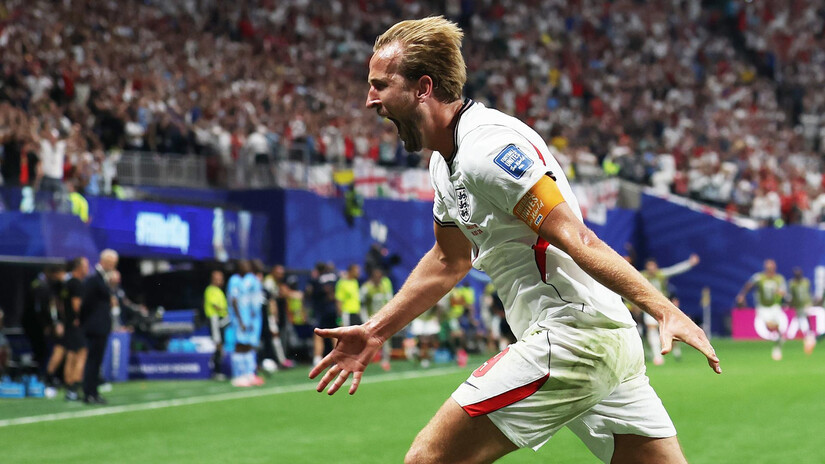
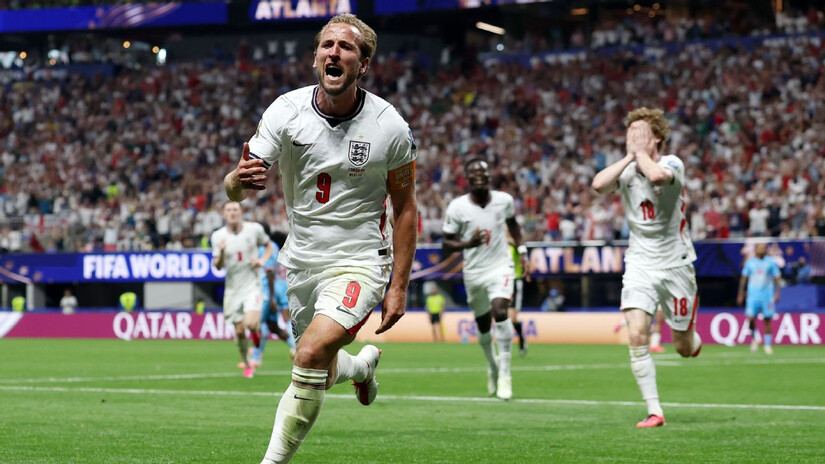
The opening fixture at Mercedes-Benz Stadium appeared, for nearly eighty minutes, to be developing into the most cataclysmic tournament upset of the modern era. Thomas Tuchel's England selection entered Atlanta carrying the immense institutional expectations of a title favorite, having comfortably swept top positioning in Group L. Across the pitch stood a courageous DR Congo side that had already written an iconic narrative by capturing their first knockout berth in fifty-two years. Few neutral analysts anticipated that Sébastien Desabre’s Leopards possessed the spatial discipline to thoroughly choke out the European giants.
The theoretical assumptions unraveled exactly 7 minutes into the match. Rather than dropping into a low-block defensive shell, DR Congo implemented an aggressive, highly synchronized mid-block press designed to squeeze England's deep buildup. Intercepting a loose horizontal delivery, Chancel Mbemba released winger Brian Cipenga with an exceptional transition pass. Left completely unmarked on the left side of the penalty area, Cipenga controlled the ball before driving a clinical, right-footed strike past Jordan Pickford at the near post. The shock breakthrough silenced the stadium, forcing England to trail for the first time in the tournament.
The opening strike fundamentally inverted the tactical geography of the match. DR Congo dropped into a highly compact 4-5-1 defensive ring, compressing the space between their midfield and defensive boundaries to limit interior passing lanes. England dominated nearly 59 percent of structural possession, but their circulation remained largely peripheral. Whenever Jude Bellingham attempted to operate between the lines, three Congolese defenders swarmed him, inducing heavy physical frustration that earned the Real Madrid midfielder a yellow card in the 19th minute. Harry Kane was forced to drop deep into the center circle to touch the ball, stripping England of their primary aerial target inside the box.
The Leopards nearly delivered a terminal secondary blow in the 42nd minute when forward Yoane Wissa slipped behind the backline, turning a crossing delivery past Pickford only to see his point-blank effort crash violently off the post. England survived the scare but faced further frustration deep in first-half injury time when Congolese goalkeeper Lionel Mpasi launched a magnificent reflex save to deny a powerful Bellingham header, preserving a historic 1-0 lead at the intermission.
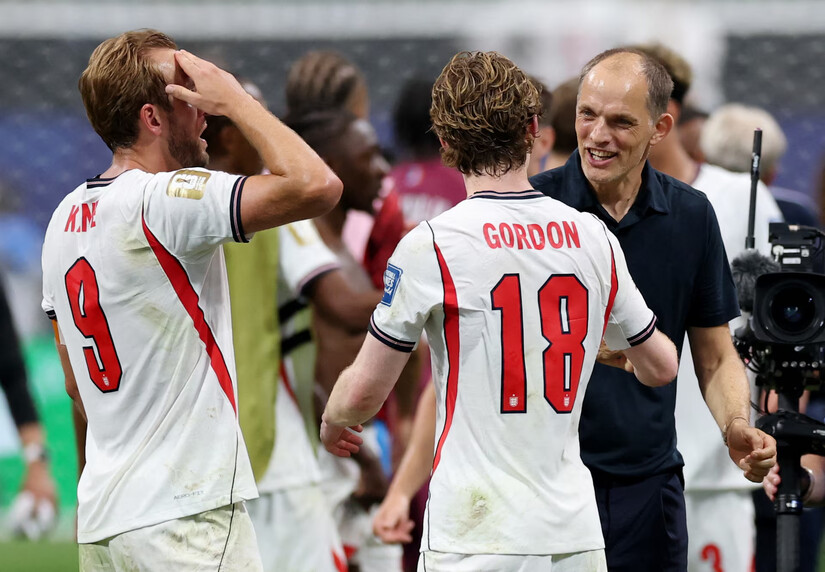
Tuchel adjusted his horizontal spacing at the interval, replacing fullbacks to prioritize high width and quicker vertical distribution. The tactical modification gradually shifted the momentum, as substitute Anthony Gordon injected immense transitional pace down the left flank, forcing isolated one-on-one duels against a tiring Congolese low block. England abandoned intricate central triangles, opting for direct, early crossing service into the box. Mpasi sustained his heroic form, denying a secondary close-range blast from Marcus Rashford, but the relentless physical load eventually wore down the African lines.
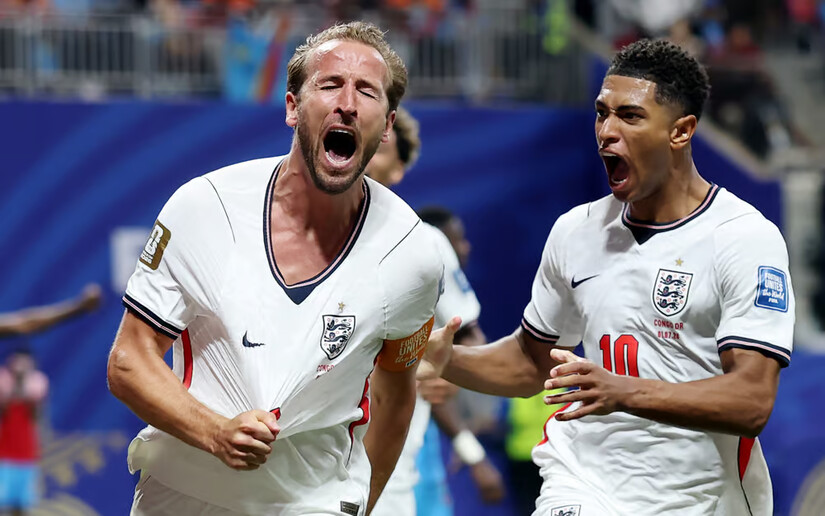
The definitive breakthrough materialized in the 75th minute. Carving space on the left wing, Gordon delivered a brilliant, pinpoint cross into the heart of the eighteen-yard area. Timing his jump flawlessly, Kane rose above his marker to thwack a powerful header past the outstretched palm of Mpasi, restoring parity at 1-1. The equalizer completely altered the emotional chemistry inside the venue, injecting immense confidence into the English attack while forcing the underdogs to defend under crushing psychological strain.
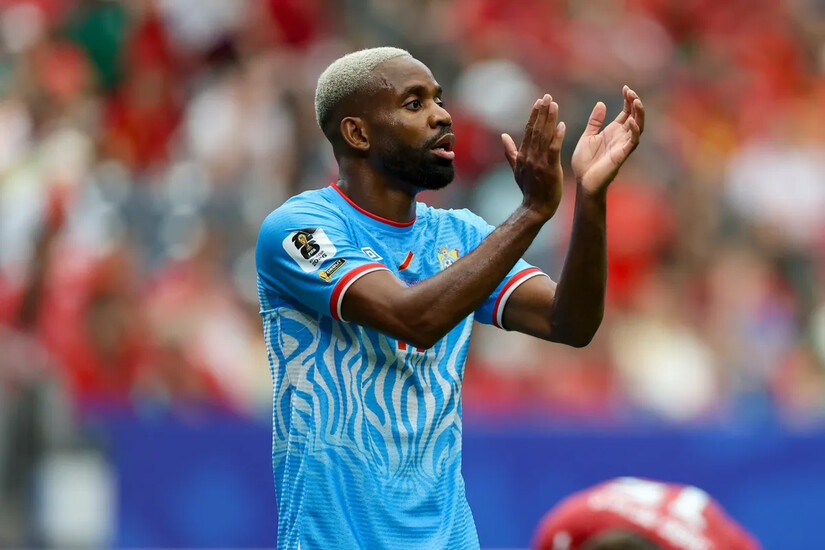
In the 86th minute, the English comeback was completed. Following sustained, chaotic pressure inside the box, a deflected ball ricocheted directly to Kane near the right side of the penalty area. Looking up from a highly restricted angle, the captain unleashed a ferocious, top-corner blast that rocketed into the roof of the net to make it 2-1. The late brace marks Kane’s fourth and fifth goals of the global summer, sparking absolute bedlam across the traveling support. While DR Congo pushed extra bodies forward during a tense block of injury time, England managed the closing sequences with great professionalism to lock down their ticket to a high-stakes Round of 16 collision with host nation Mexico.
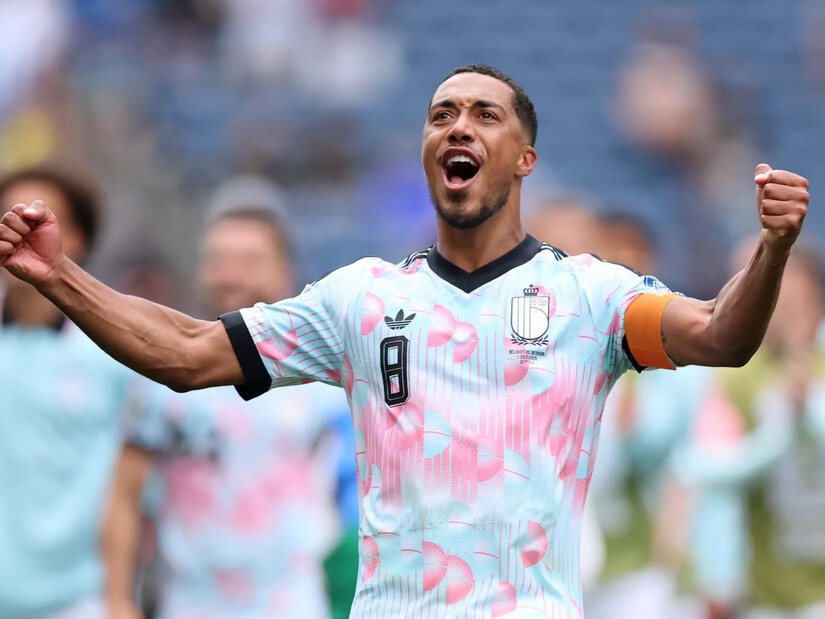
While Atlanta delivered a late rescue mission, Lumen Field in Washington hosted an absolute classic defined by extreme emotional volatility and tactical resilience. Domenico Tedesco's Belgium national team entered the pitch carrying heavy questions regarding the physical durability of their veteran core, taking on a hyper-athletic Senegal side that had systematically narrowed the competitive gap with Europe through superb tactical coordination and physical power.
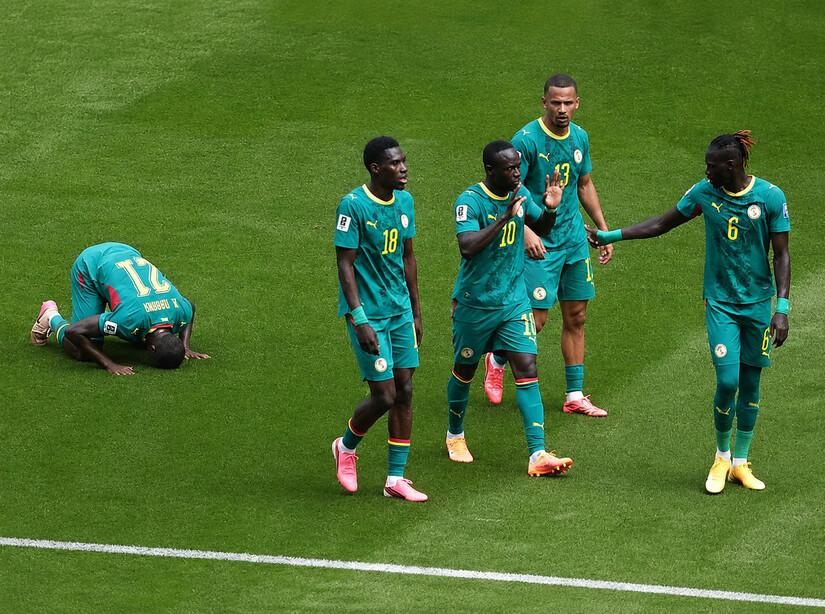
For the opening hour of regulation, Aliou Cissé’s Lions of Teranga executed a masterclass in aggressive spatial disruption. Implementing a suffocating front press, Senegal completely dismantled Belgium's interior passing lines, preventing Kevin De Bruyne from establishing central tempo. The African pressure yielded immediate results via a brilliant transitional sequence that carved through the Belgian double pivot, opening space for a clinical, first-time finish that sent thousands of traveling Senegalese supporters into absolute ecstasy.
Belgium labored intensely to discover an offensive response, circulating possession across the backline but lacking explosive separation in wide areas. Senegal’s confidence escalated exponentially, and they struck a secondary blow right before the halftime whistle. Exploiting a mechanical tracking error in the Belgian central defense, the Lions converted a rapid counter-attack to forge a commanding 2-0 cushion, leaving the Red Devils facing the immediate reality of a premature tournament departure.
Tedesco implemented radical structural modifications inside the locker room, instructing his selection to abandon methodical buildup geometry in favor of vertical long-ball transitions designed to isolate Senegal's center backs before they could establish structural stasis. The adjustment initially struggled against Senegal’s physical resistance, but as the match clock dissolved past the 75th minute, physical fatigue began to degrade the African low block.
The match pivoted permanently in the 78th minute when Belgium exploited a rare communication error inside the penalty third, sliding home a low drive to cut the deficit to 2-1. The goal induced immediate structural anxiety across the Senegalese lines, allowing De Bruyne to finally operate in dangerous half-spaces. Minutes later, the Red Devils finalized the rapid equalizer, completing a sequence of slick interior passes to level the match at 2-2 and force an exhausting 30-minute extra-time period.
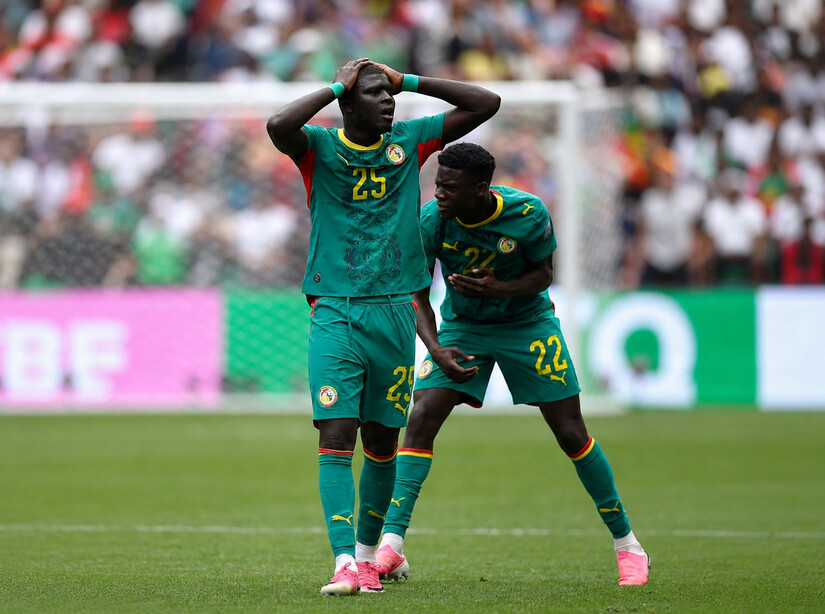
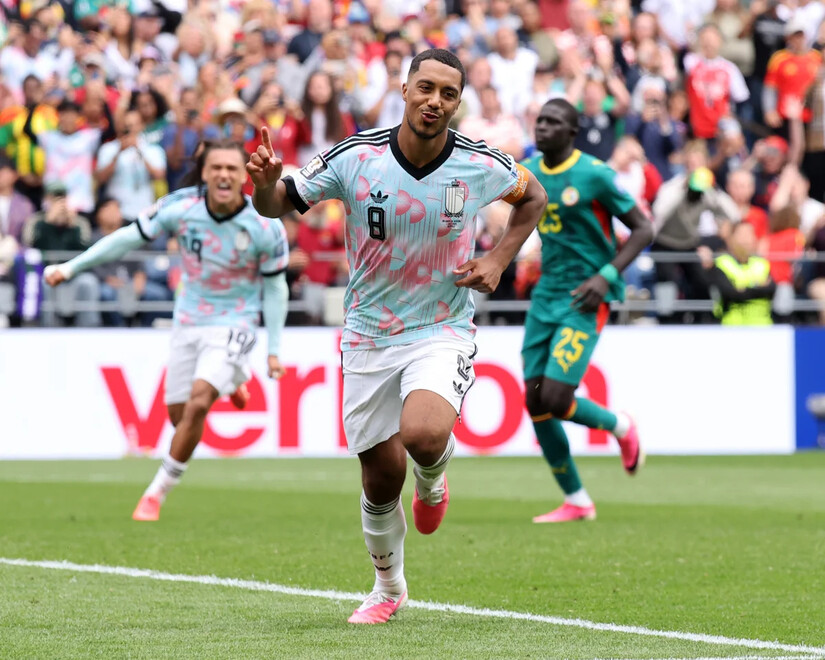
Extra time transformed into a pure war of physical attrition, with multiple players suffering from severe cramping on the surface. Belgium's elite squad depth emerged as the definitive factor against a Senegal roster that had completely depleted its physical reserves during their hour of high pressing. The decisive tournament moment materialized late in the additional period when a tracking infraction inside the box presented Belgium with a penalty kick. Midfielder Youri Tielemans stepped up to the spot under immense psychological load, calmly smashing his strike past the keeper to finalize an extraordinary 3-3 comeback triumph. The historic rally mirrors Belgium's famous 2018 escape against Japan, booking a blockbuster Round of 16 date with the United States.
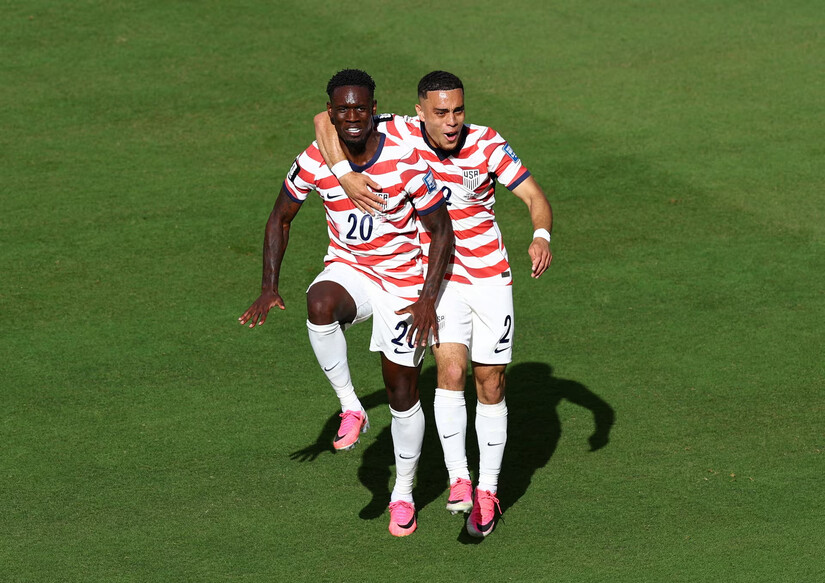
The final chapter of Day 21 focused the international tournament spotlight on Levi's Stadium in Santa Clara, where the host nation United States sought to sustain their tournament trajectory under Mauricio Pochettino. Playing before a raucous, capacity crowd of over sixty thousand fans, the Americans aimed to bypass a highly physical Bosnia and Herzegovina squad attempting to secure the signature victory in their modern international ledger.
Pochettino implemented calculated roster rotations to preserve baseline fitness metrics following a grueling Group D schedule, yet the USMNT retained their trademark high-velocity pressing shape from the kickoff. Malik Tillman and Weston McKennie operated with excellent vertical chemistry, slipping passes between the Bosnian midfield lines to find Antonee Robinson on the overlap. The hosts thought they had established an early breakthrough when leading scorer Folarin Balogun turned a low cross past the keeper, but a rapid VAR review confirmed a marginal offside infraction to temporarily deny the opener.
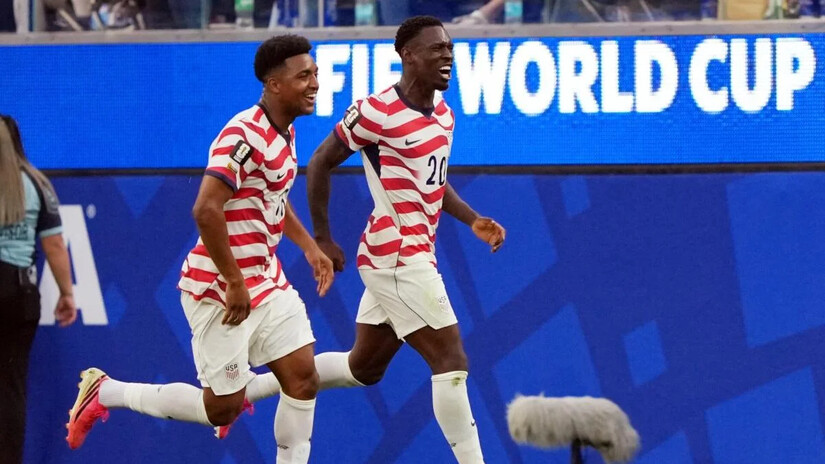
The tactical persistence of the host nation was finally rewarded on the absolute stroke of halftime. In the 45th minute, Tillman executed a beautiful, disguised pass through a congested central channel to find Balogun inside the box. The Monaco striker shielded the ball superbly against Tarik Muharemović, executing a rapid turn to slot a clinical low finish into the bottom corner to secure a 1-0 lead at the intermission.
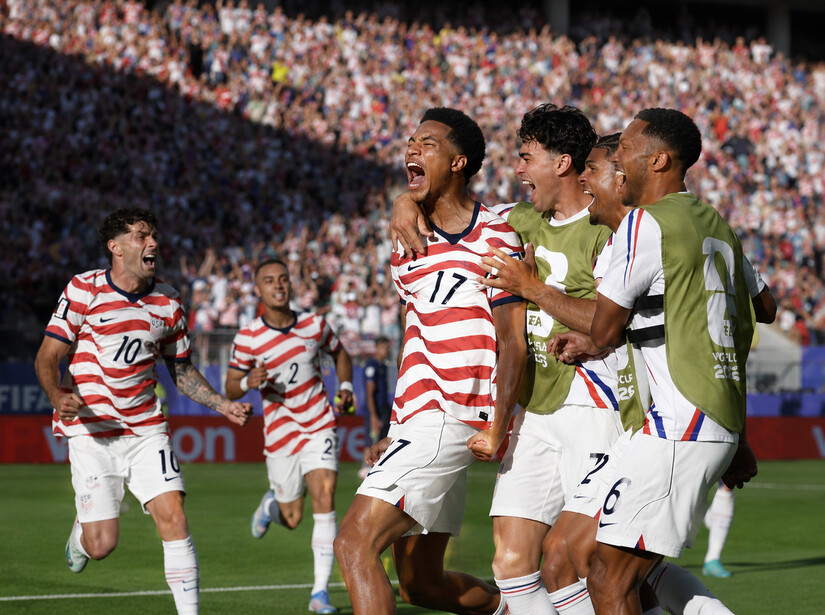
The competitive map inverted completely in the 64th minute of play. Challenging for a loose ball in the central third, Balogun’s studs caught Muharemović high on the ankle. While the referee initially brandished a yellow card, the VAR room triggered an extended video review. After studying multiple slowdown angles at the monitor, referee Raphael Claus upgraded the punishment to a straight red card, dismissing the American striker.
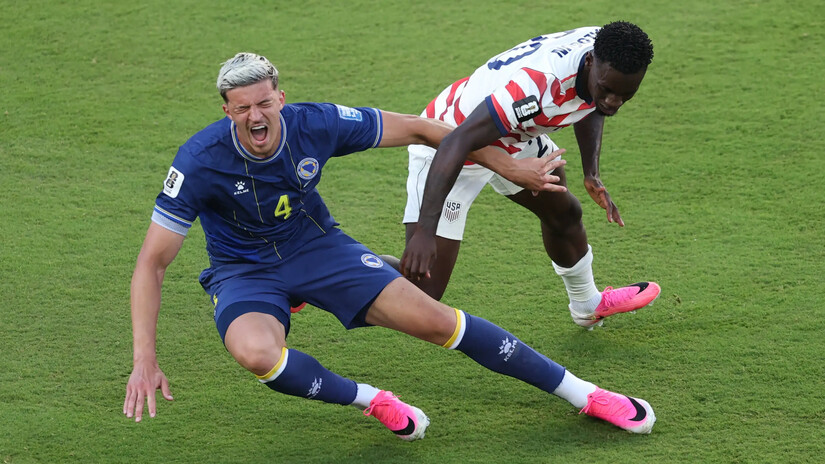
Reduced to ten men, Pochettino manifested immediate tactical maturity, abandoning their proactive pressing structure to retreat into an exceptionally compact low block. Veteran captain Tim Ream took absolute command of the defensive line, organizing a tight block that completely denied Bosnia any central operational space.
As Bosnia committed extra personnel forward to exploit their numeric advantage, the USMNT struck with a lethal counter-attacking transition. Robinson drew a tactical foul just outside the eighteen-yard box, presenting Tillman with a premium set-piece look. The midfielder delivered a world-class, curling free kick that cleared the wall before dipping sharply into the top corner, extending the lead to 2-0 to permanently break Bosnian hearts and send the ten-man host nation flying into the Round of 16.
Several critical strategic conclusions crystallized as the Round of 32 neared completion:
MinneapoliMedia | Community. Culture. Civic Life.



Sunny, with a high of 78 and low of 51 degrees. Sunny for the morning, partly cloudy in the afternoon, clear for the evening,