40° and Light rain
Image
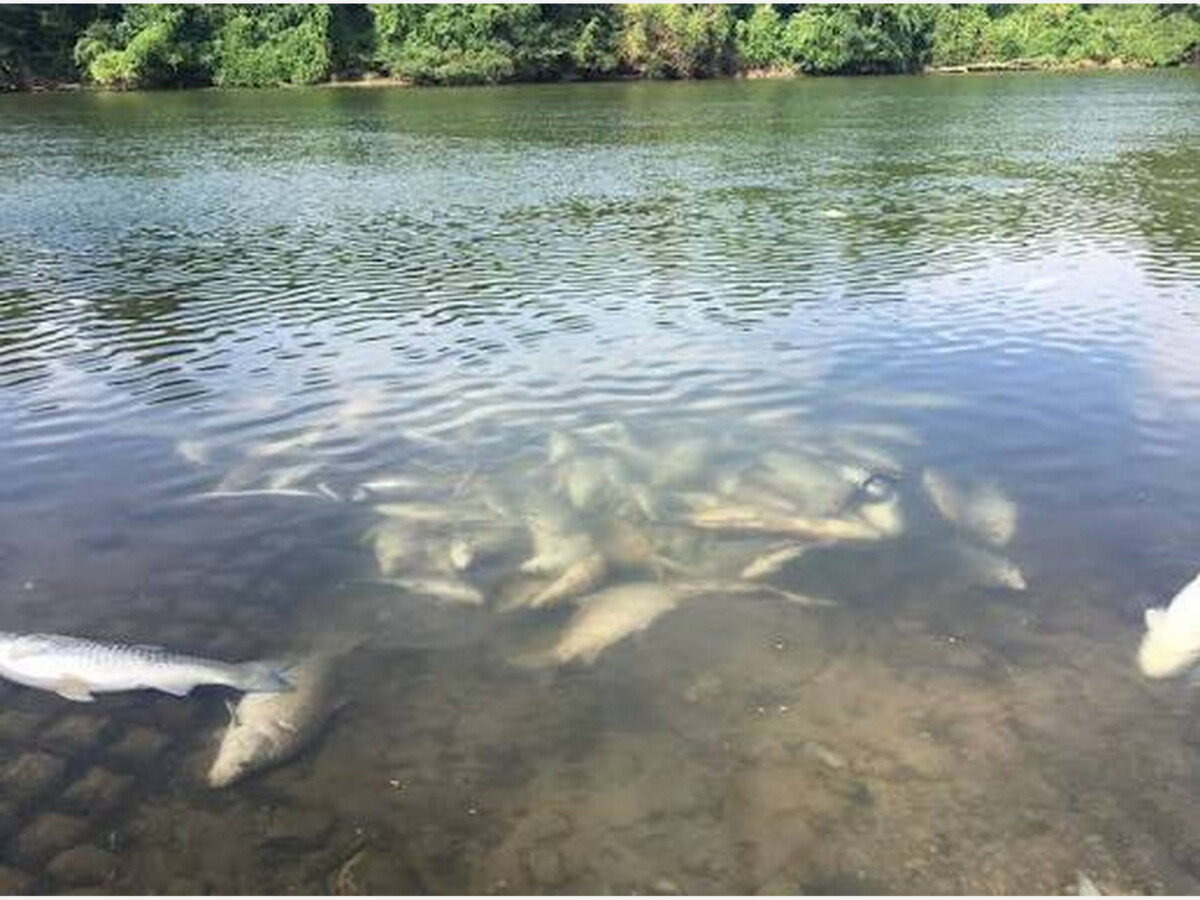



Hundreds of dead fish have washed ashore at Peltier Lake in Centerville. Most are northern pike, although bluegill and largemouth bass have also been found.
Minnesota Department of Natural Resources personnel measured water temperatures near 88 degrees at the lake, a level considered chronically stressful for many fish species.
Dr. Isaiah Tolo, the DNR’s fish-health supervisor, said a large portion of the reports arrived during the most recent week as Minnesota endured an extended stretch of temperatures above 90 degrees.
Fish kills during heat waves are frequently connected to declining levels of dissolved oxygen.
As water warms, its capacity to retain oxygen decreases. Algae, bacteria and decomposing organic material can consume additional oxygen, leaving fish unable to obtain what they need to survive.
Large species such as northern pike and muskies can be particularly vulnerable because they require relatively cool, oxygenated water.
At Peltier Lake, heavily colored water and algae have added to concerns about oxygen availability.
Lake Minnetonka fishing guide Chris Griffin reported water readings above 90 degrees in some locations. He has stopped booking muskie trips and plans to wait until fall before targeting the species again.
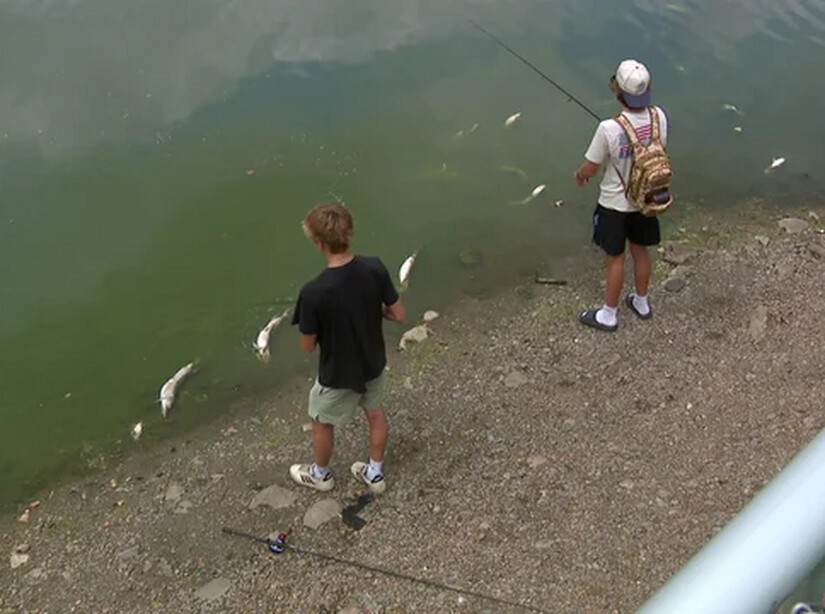
Fishing in extreme heat can further strain fish that are already struggling.
The exertion of being hooked, handled and released can prove fatal when water temperatures are unusually high. Even fish that initially swim away may die later from accumulated physiological stress.
Anglers are encouraged to monitor water temperatures, target more heat-tolerant species or postpone fishing when conditions become dangerous.
The DNR also advises people not to wade through areas containing large numbers of dead fish. Decomposing animals may carry bacteria and create potential health risks.
Residents who observe a fish kill can report it to the Minnesota Duty Officer or contact the DNR for guidance.
The reports are not all necessarily connected to a single cause. Fish may die because of heat, low oxygen, disease, chemical exposure or natural biological cycles. State personnel examine the circumstances of each event to determine whether additional investigation is necessary.
Sources: CBS Minnesota and Minnesota Department of Natural Resources
MinneapoliMedia | Community. Culture. Civic Life.



Patchy rain nearby, with a high of 56 and low of 41 degrees. Light drizzle for the morning, mist for the afternoon and evening, patchy rain nearby overnight.