63° and Clear
Image
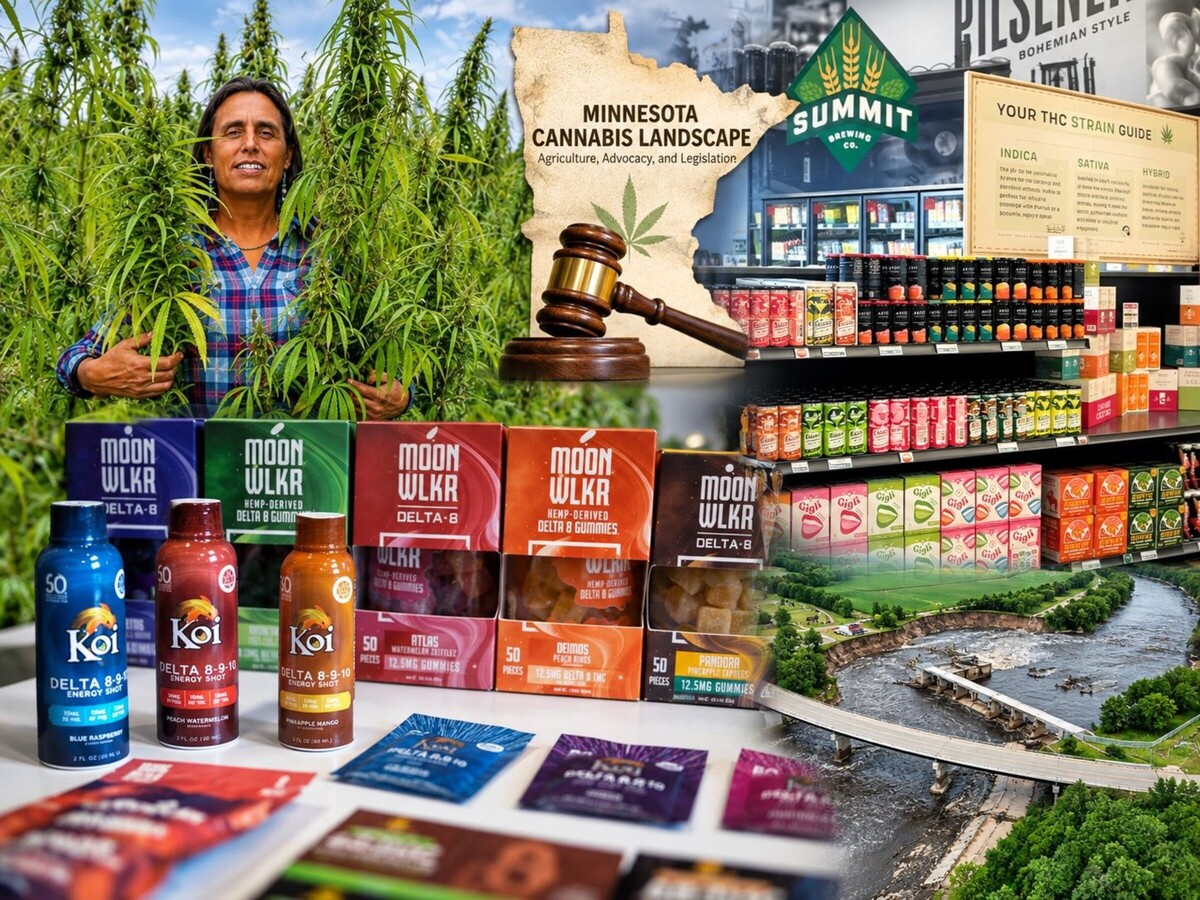



The effects reach directly into Brooklyn Center, where Surly Brewing operates a production facility capable of filling, labeling and packaging as many as 134,000 beverages a day.
The federal provision is scheduled to take effect November 12. It would limit hemp-derived products to 0.4 milligrams of THC per container, far below Minnesota’s permitted level of five milligrams per serving and 10 milligrams per package for low-dose hemp products.
Industry representatives say the federal limit would make most THC beverages and edibles currently sold in Minnesota illegal under federal law.
For businesses that expanded into THC beverages as beer sales weakened, the restriction creates a difficult inventory and employment problem. Producers must decide whether to continue making products through the deadline, reduce production early or risk being left with inventory that retailers may no longer be able to sell.
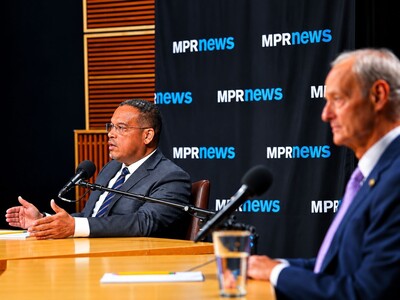
Surly founder Omar Ansari told MPR News that the company now produces more THC beverages than beer and that losing the THC business could threaten the operation’s viability.
The Brooklyn Center facility also manufactures beverages for other brands, expanding the possible impact beyond Surly’s own products. A slowdown could affect production workers, distributors, retailers and smaller companies that rely on contract manufacturing.
Minnesota changed its cannabis laws this year to simplify parts of the regulated supply chain and provide pathways for some hemp businesses to enter the recreational-cannabis market. That transition may not work for many breweries.
Breweries generally hold federal alcohol permits. Industry members say some will not risk those permits by entering the recreational-cannabis market, which remains illegal under federal law.
Businesses face four broad choices: return their attention to beer, move into other nonalcoholic products, continue THC production through the federal deadline or close.
The conflict also exposes the limits of Minnesota’s authority. State lawmakers created a regulated low-dose hemp market, but federal action can still disrupt production, distribution and access even when a product complies with Minnesota law.
Federal lawmakers could delay or revise the restriction before November. Until then, producers must make purchasing, staffing and production decisions without knowing whether their central product line will remain legal.

Local stories matter. Subscribe free to MinneapoliMedia and receive independent news, community reporting and important updates from Minneapolis, the North Metro and communities across Minnesota.
SUBSCRIBE FREE: https://minneapolimedia.town.news/subscribe
MinneapoliMedia | Community. Culture. Civic Life



Sunny, with a high of 86 and low of 58 degrees. Sunny during the morning, clear for the afternoon and evening,