52° and Overcast
Image



MINNEAPOLIS, MN (October 9, 2026).
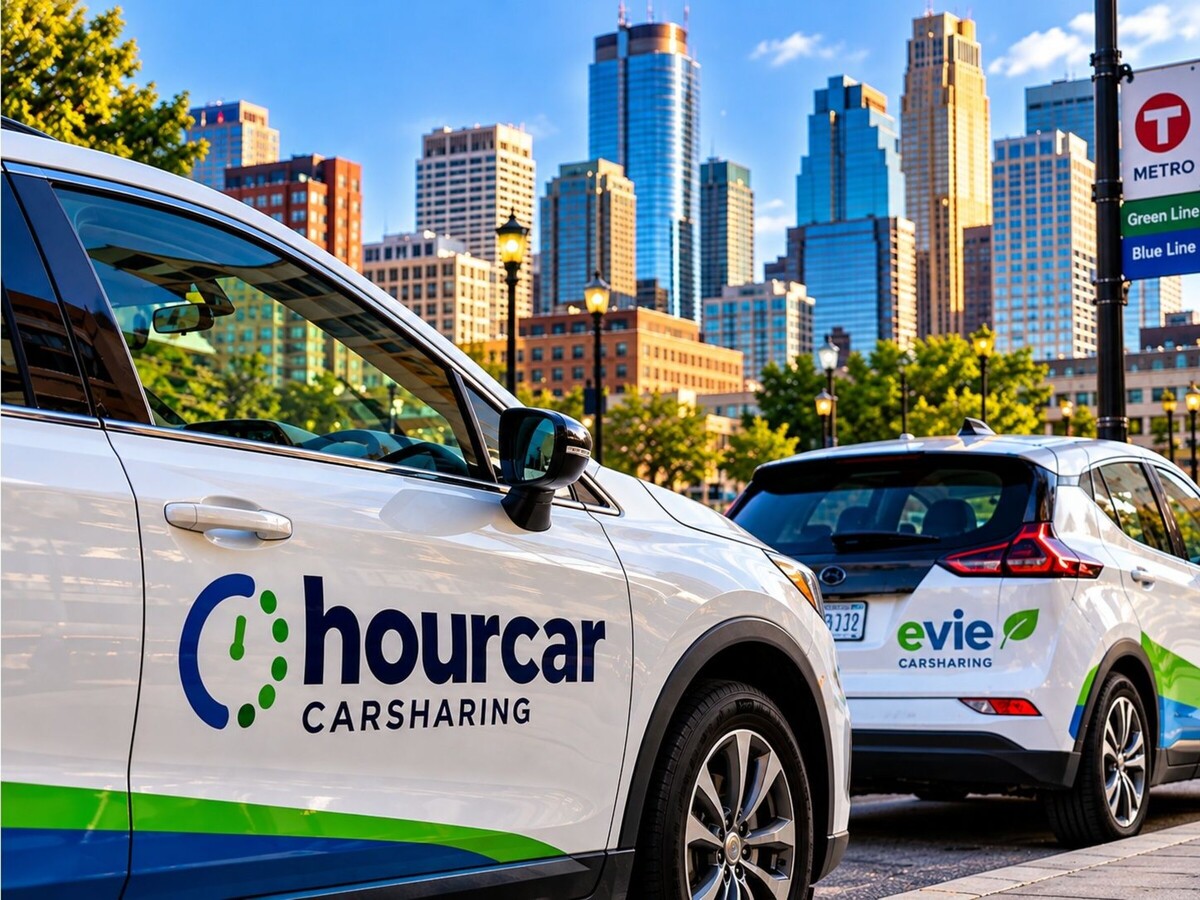
A transportation service that has helped Twin Cities residents get around without owning a vehicle is preparing to close, bringing an end to more than two decades of nonprofit carsharing in the metropolitan area.
Hourcar announced Thursday that it will discontinue its Hourcar and Evie operations on October 15, 2026, after its board determined that the organization could no longer sustain the financial demands of operating the service.
The announcement affects residents who use shared vehicles for grocery shopping, medical appointments, employment, family responsibilities and trips that are difficult to complete by bus, train, bicycle or on foot.
Hourcar's closure also raises a broader question about transportation affordability in Minneapolis and Saint Paul: What happens when an option designed to reduce dependence on private automobile ownership becomes financially impossible to maintain?
Hourcar operated in the Twin Cities for approximately 21 years, developing into one of the country's larger nonprofit carsharing organizations.
Its services included traditional Hourcar vehicles and Evie, the electric-vehicle carsharing program that expanded the organization's presence in the region.
According to reporting by Axios, the organization served more than 4,000 members and recorded approximately 670,000 vehicle uses over its history.
For households without reliable access to a personal vehicle, carsharing can fill an important gap between public transportation and conventional rental cars. It can also reduce the costs associated with vehicle payments, insurance, maintenance and parking.
The impending shutdown removes that option from the region's transportation network.
The organization attributed its decision to escalating insurance costs and reductions in government and philanthropic funding.
Axios reported that Hourcar faced a financial shortfall of approximately $1.1 million.
Amanda LaGrange, Hourcar's president and chief executive officer, acknowledged the difficulty of the decision in comments reported by the Star Tribune, describing an organization that still saw potential in its services but no longer had the financial time needed to continue.
The financial problems illustrate the vulnerability of transportation programs that combine user fees with public or philanthropic support. Even when residents depend on a service, the cost of operating and insuring a vehicle fleet can exceed available revenue.
The October 15 closure date gives current members a limited period to make alternative transportation arrangements.
Members should consult Hourcar's official communications for instructions concerning existing reservations, account balances, payments and any other obligations associated with the shutdown.
Residents who have depended on the service may need to reconsider how they reach destinations that are not conveniently served by transit.
The impact may be particularly significant for people who cannot afford a private vehicle but occasionally require one.
The end of Hourcar and Evie is more than the closure of a single organization. It creates a practical challenge for local governments, transportation planners and community partners that have promoted alternatives to car ownership.
The Twin Cities have invested in transit, bicycle infrastructure and mobility programs intended to give residents more ways to travel. Carsharing has been one component of that broader transportation picture.
Whether another operator, public-private partnership or new funding arrangement can replace the lost service remains uncertain.
For now, the immediate consequence is clear: a familiar transportation option is scheduled to disappear on October 15.

Local stories matter. Subscribe free to MinneapoliMedia and receive independent news, community reporting and important updates from Minneapolis, the North Metro and communities across Minnesota.
SUBSCRIBE FREE: https://minneapolimedia.town.news/subscribe
MinneapoliMedia | Community. Culture. Civic Life


Sunny, with a high of 71 and low of 48 degrees. Overcast during the morning, sunny during the afternoon, clear in the evening, overcast overnight.