58° and Overcast
Image



BLAINE, MN (November 3, 2026).
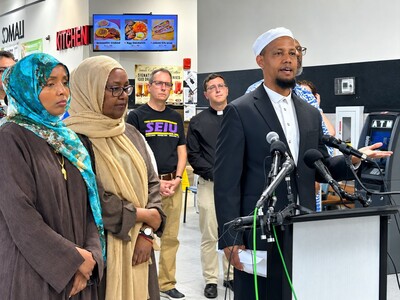
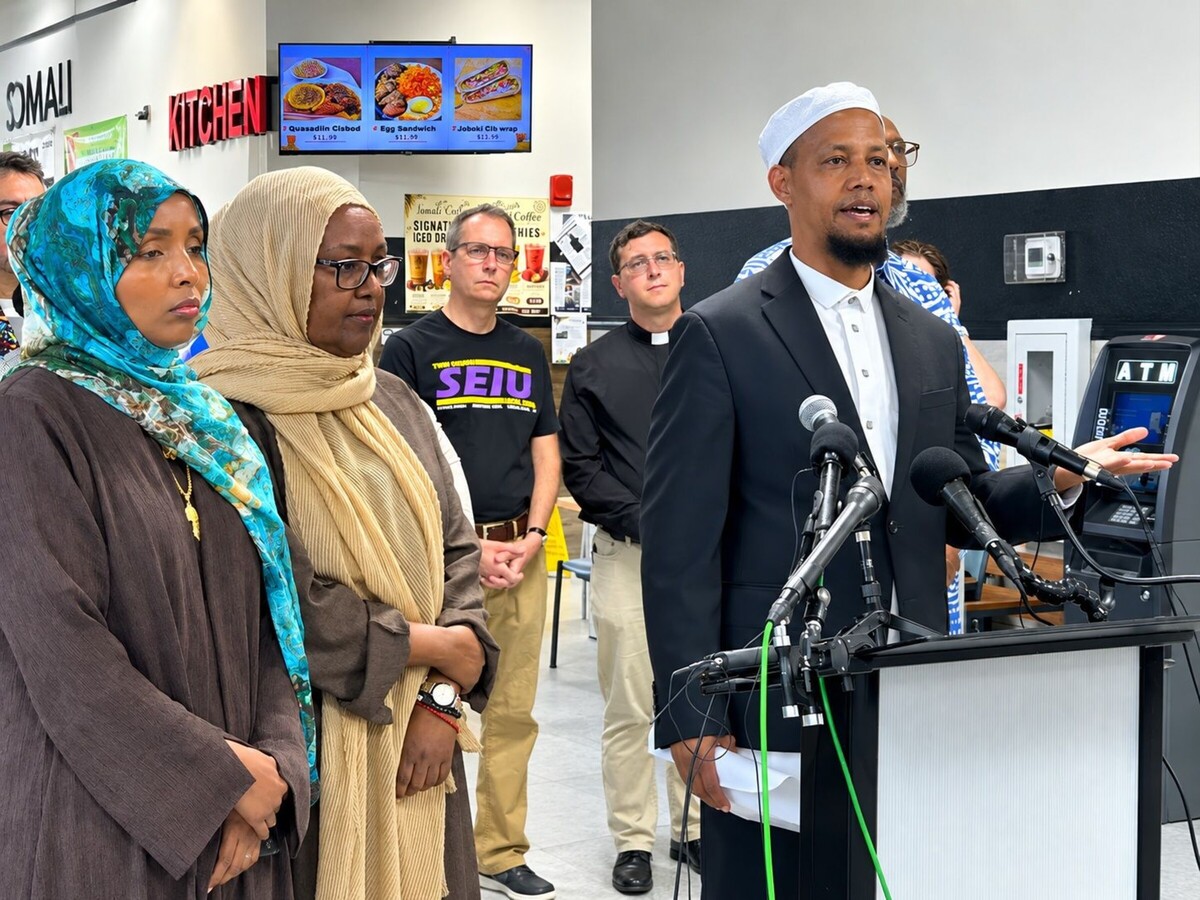
Muslim faith leaders across Minnesota are strengthening security measures at mosques and community facilities as the state enters Election Day amid concerns about anti-Muslim harassment, threats and political rhetoric directed at immigrant communities.
The precautions are taking place in the Twin Cities and surrounding suburbs, including Blaine and Bloomington, where mosque leaders have described the financial and practical challenges of protecting worshippers while maintaining welcoming religious spaces.
According to reporting published Monday by MPR News, FBI data show 12 anti-Islamic hate crime incidents in Minnesota so far in 2026, including two incidents involving mosques.
The figures form part of a broader concern among faith leaders about the relationship between political tensions, community safety and the willingness of residents to participate in public life.
At the Muslim American Society Blaine Masjid, community leader Jawad Islam described security as an important responsibility even though the mosque has not recently received threats.
The facility has installed surveillance cameras and bullet-resistant windows in its prayer room.
Police also provide a presence during Friday prayers to assist with traffic management.
Islam credited the mosque's relationship with the surrounding Blaine community, developed over approximately 18 years, as an important factor in maintaining a safe environment.
The precautions demonstrate how religious institutions are balancing openness with the need to prepare for potential threats.
At Dar Al-Farooq Mosque in Bloomington, Imam Abdulahi Farah remains concerned about the possibility of another attack.
The mosque was targeted in a 2017 bombing carried out by members of a far-right group.
No one was injured in that incident, although worshippers were present at the facility.
Since then, the mosque has invested in security cameras, bullet-resistant windows and guards.
Farah told MPR News that security personnel cost the organization thousands of dollars annually.
He also indicated that the mosque had received multiple threats this year, although he declined to disclose specific details.
The experience illustrates the continuing financial and emotional burden that security concerns can place on religious communities.
FBI data show that anti-Muslim hate crimes in Minnesota have tended to rise during presidential and midterm election years since 2016.
However, the available statistics do not establish that every reported incident was caused by a particular campaign or political statement.
Faith leaders also caution that official figures may not capture every threatening or discriminatory encounter.
Hudhayfa Suhail, an imam at Lakeville Masjid, told MPR News that some community members may hesitate to report threats because they fear alarming worshippers or discouraging attendance.
Minnesota's chapter of the Council on American-Islamic Relations reported 693 civil rights complaints in 2025, compared with 353 in 2024.
Those figures represent a broader category of reported complaints and should not be confused with the FBI's narrower classification of criminal hate incidents.
The distinction is important when evaluating the scale and nature of the problem.
The concerns arise during an election in which immigration policy, public safety and government accountability have featured prominently in public debate.
Faith leaders interviewed by MPR News emphasized that security concerns should not prevent eligible residents from participating in the democratic process.
Their message was not tied to support for a particular candidate or party.
Instead, they encouraged community members to exercise their voting rights and remain engaged in civic life.
The issue has significance for Anoka County and the broader Twin Cities, where Muslim communities contribute to the region's religious, cultural and economic life.
Religious freedom includes the ability to gather for worship without threats or intimidation.
Protecting that freedom requires credible responses to criminal conduct, accurate public information and cooperation between communities and law enforcement.
As Minnesota votes Tuesday, the security concerns raised by mosque leaders underscore a responsibility that extends beyond the election itself: ensuring that residents can practice their faith and participate in public life safely.

Local stories matter. Subscribe free to MinneapoliMedia and receive independent news, community reporting and important updates from Minneapolis, the North Metro and communities across Minnesota.
SUBSCRIBE FREE: https://minneapolimedia.town.news/subscribe
MinneapoliMedia | Community. Culture. Civic Life



Overcast, with a high of 63 and low of 54 degrees. Overcast for the morning, light drizzle in the afternoon, mist during the evening, light drizzle overnight.