52° and Overcast
Image
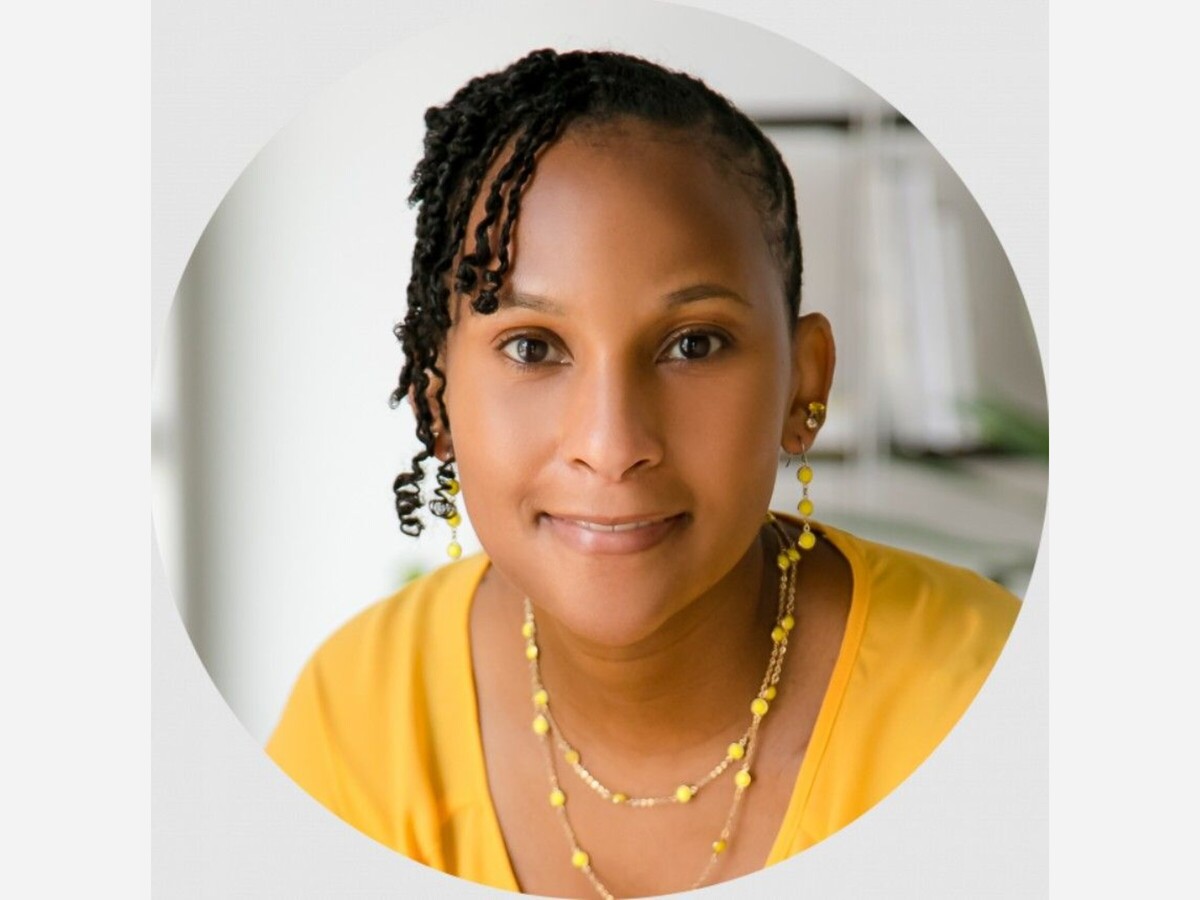



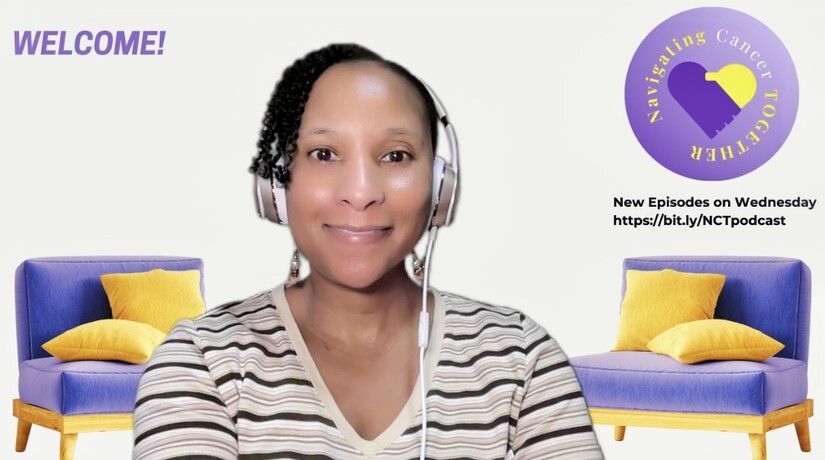
On a cold December morning in Minnesota, as snow softened rooftops from Minneapolis to Hastings, Talaya Dendy appeared on my screen with a warm smile that immediately dissolved the distance between us. The greeting was simple, but infused with a grounded presence that would become the defining spirit of our conversation. Talaya carries a calm that is both reassuring and unshakeable, the kind of calm that only comes from someone who has walked through fire and returned with something sacred to offer the world.
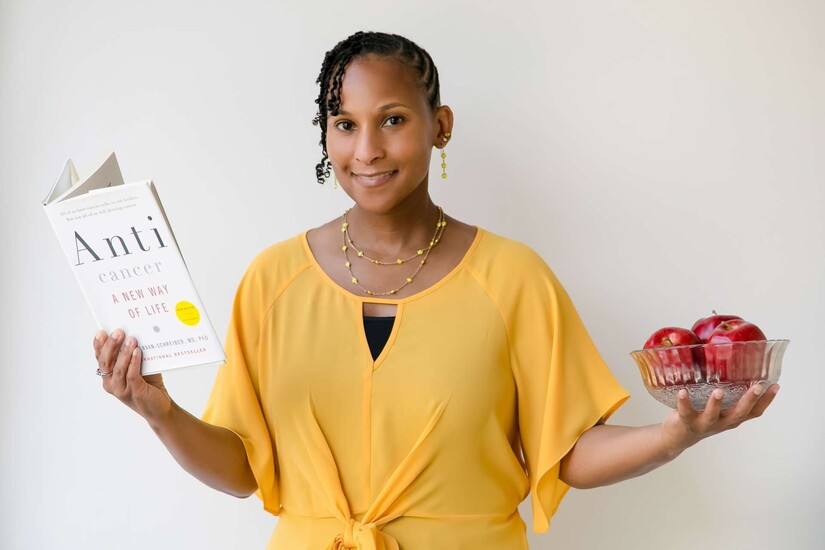
Talaya is a cancer survivor, a Board Certified Patient Advocate, a cancer doula, and a Bush Fellow. She stands in a unique space within the health care landscape, one that merges lived experience with advocacy, emotional guidance, and a revolutionary insistence that patients deserve to be seen as whole people rather than diagnoses. Her work is rooted in the conviction that healing is not only physical. It is emotional, spiritual, communal, and deeply personal.
For many Minnesotans, especially African Americans, Americans of African origin, and other people of color navigating cancer, her presence has become a lifeline.
We began with the question that grounds her entire mission.
When Talaya was diagnosed with cancer fourteen years ago, she expected fear, uncertainty, and medical complexity. She did not expect to feel so alone.
She had a strong oncology team and a loving family, but neither could fully understand the inner terrain she was navigating. The support group she attended left her feeling more isolated. She was the youngest person in the room. She was also the only African American woman. The energy was heavy and discouraging, the opposite of the emotional environment she needed in order to survive.
“I had decided that I wanted to live,” she said. “I knew I needed emotional support. I knew I needed someone who understood what I was going through. I did not have that.”
What she did have was determination. When no such model of care existed for her, she created it for others.
“That is why I became a cancer doula. I am providing what I needed, but could not find.”
Talaya describes her work with a clarity that reveals both purpose and discipline.
“I walk alongside individuals and families impacted by cancer,” she explained. “I focus on emotional well-being, health, mindset, education, communication, and advocacy. I help people understand that they still have power. They are the customers. They have the right to ask questions, to seek a second opinion, and to make informed decisions about their care.”
Her approach is holistic and deeply personal. Cancer does not pause life. Bills still come. Children still need care. Jobs still demand attention. Relationships still need tending.
“So many people are treated as a diagnosis,” she said. “I see the whole person. I make sure they feel heard, understood, and guided.”
She supports people from all walks of life, but she is particularly attuned to the needs of African Americans and other communities of color, who often encounter bias, misunderstanding, and systemic barriers in medical settings.
“I am a Black woman in this space,” she said. “There are not many of us. It is important that I keep showing up. Not just occupying the space, but contributing to it. Lending my voice. Sharing what I know from lived experience.”
Her advocacy extends beyond one-on-one support. She works with cancer clinical trial networks in Minnesota to educate communities about research opportunities, dismantle misconceptions, and push for equitable access to the life-saving treatments that clinical trials can offer.
Some moments stay with her. The phone calls from people who are shaking with fear. The shattering questions. The whispered confessions of despair. Then the shift, the moment when panic begins to settle into clarity.
“When someone starts the call overwhelmed and terrified, and by the end they say, I can do this, that is everything,” she told me. “That is when I know this work matters.”
Listening is her most powerful tool. Not just casual listening. Deep listening. Unhurried listening. Listening without judgment. Many of the people she serves have spent months or years not being believed or not being given space to express their fears.
“When someone finally feels heard, that is the beginning of healing.”
One of the reasons Talaya’s work resonates so deeply is her emphasis on empowerment.
Cancer often strips people of control. She helps them reclaim it.
“I teach people what to ask. I help them understand their rights. I remind them that they can get a second opinion. I tell them that they have choices.”
She believes information is a form of self-advocacy. Faith is another. She credits her own survival to both.
“For me, prayer was essential. Cancer is not something you get through on strength alone. You need something bigger than yourself.”
And, she added, no one should have to walk through it alone.
The work is transformative, but not easy.
“The biggest challenge is the health care system itself,” she said. “It is not designed to work with someone like me. Yet the people who need what I offer are everywhere.”
She also faces barriers related to education and awareness. Most people have never heard of a cancer doula. Many do not know that emotional and navigational support can be as important as treatment decisions.
Still, she persists.
“I have been given a vision. I do not expect everyone to understand it. I know the work matters.”
Her perseverance is powered by flexibility, community support, and unwavering faith.
“Every time I think things are about to fall apart, something opens. God always makes a way.”
Talaya’s future plans are bold and thoughtful.
She is shifting her focus toward survivors who are often left without support after treatment ends. Many feel abandoned by their care teams, misunderstood by loved ones, and overwhelmed by the physical and financial aftermath of cancer.
“There is a huge gap in survivorship care,” she said. “People need guidance long after the last treatment.”
Her emerging projects include:
At the center of all her future work is an ongoing dedication to establishing the cancer doula role as a recognized pillar of comprehensive cancer care. Talaya is determined to help the world understand that emotional and social support are not extras. They are essential. When individuals receive care that acknowledges their humanity, their fears, their hopes, and their lives beyond a diagnosis, their outcomes improve and their healing deepens.
As she put it with clarity and conviction, “Human beings develop cancer, but we are not cancer.”
Her long-term vision is to ensure that people everywhere have access to support that sees them as whole. Her efforts continue to shape a model of care that honors dignity, fosters resilience, and places humanity at the heart of healing.
She is also exploring the possibility of a social enterprise model. Such a structure would allow her to raise funds and offer services at little or no cost to those who cannot afford them.
She continues to hope that one day her services will be covered by insurance, not because she values the system, but because she wants every person who needs support to have access to it.
When asked what advice she would give to women who want to make an impact in their communities, her answer was immediate.
“Do not wait for permission,” she said. “No one gave me permission to do this work. I created it. If you believe in something, figure out how to do it. Be true to yourself. Walk with integrity. And understand that the work does not need instant applause. You need resilience. You need vision. And you need heart.”
She paused and then added, “Just keep doing something every day that moves you toward your purpose.”
In keeping with MinneapoliMedia’s tradition, I asked Talaya to name two women whose impact deserves celebration.
Without hesitation, she named:
She offered to make the introduction, a gesture that reflects her spirit. Talaya’s work is not solitary. It is communal. She rises and lifts others with her.
As our conversation came to an end, Talaya expressed gratitude for the chance to share her story. She spoke with humility, but also with the quiet certainty of someone who has built a path no one gave her, simply because she knew it was needed.
Her work is a reminder that healing is not only found in hospitals. It can begin in a quiet conversation. In a listening ear. In a gentle truth spoken at the right moment. In the presence of someone who knows the road.
Talaya Dendy is helping people find their way through darkness with courage and compassion. She is building legacy. She is building liberation. She is building community. And she is doing it one person at a time.
In Minnesota and far beyond, her work is changing lives.


Sunny, with a high of 71 and low of 48 degrees. Overcast in the morning, sunny in the afternoon, clear for the evening, overcast overnight.