71° and Clear
Image
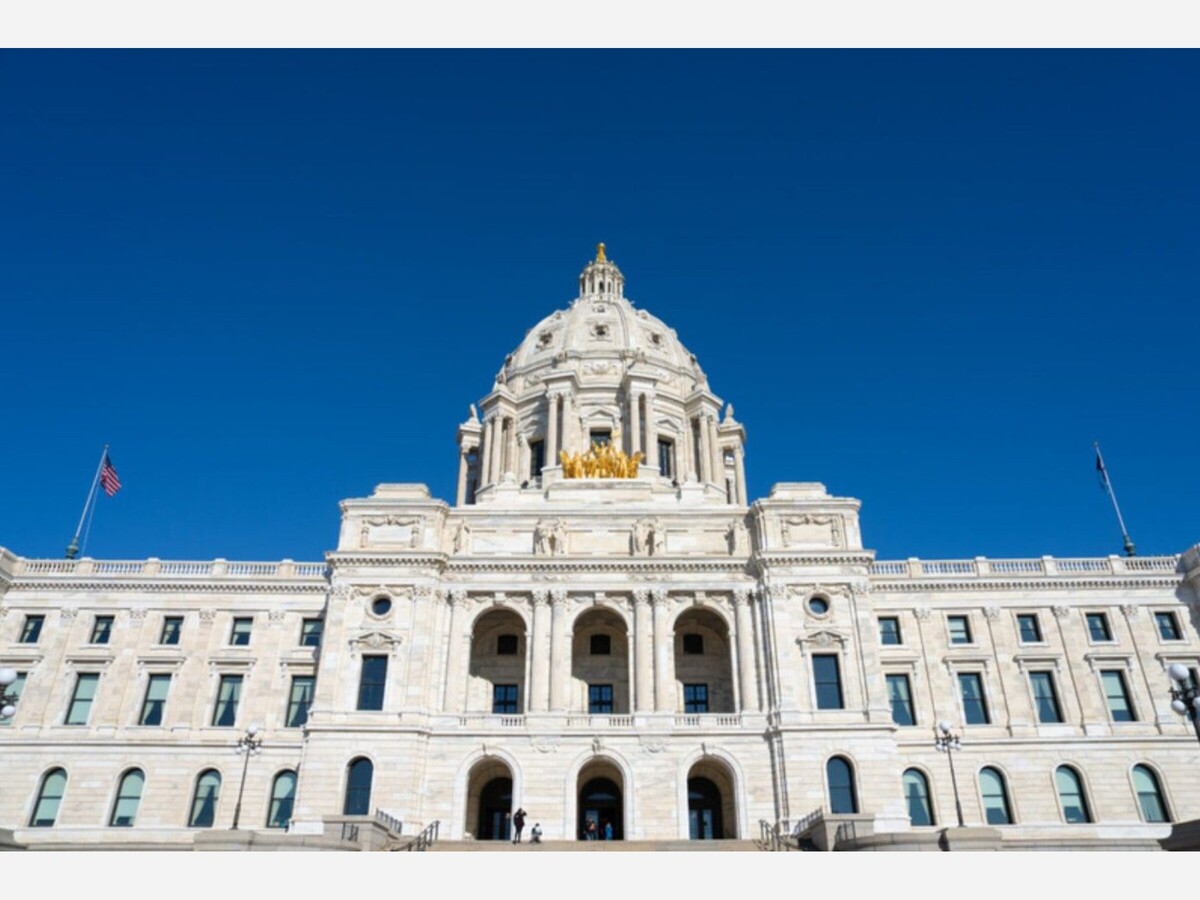



The proposal, Senate File 3596, authored by Senator Lindsey Port, a Democrat from Burnsville, would redirect unused funds from a state settlement account to help renters struggling to keep up with housing payments following the economic disruption caused by the federal operation.
The measure passed the Senate after hours of heated debate, reflecting not only a disagreement about housing policy but also a broader clash over the meaning and consequences of Operation Metro Surge, a federal immigration enforcement action that involved roughly 3,000 agents operating across Minnesota.
Yet despite clearing the Senate, the bill faces steep odds in the Minnesota House, where a rare 67–67 partisan split has turned nearly every major policy proposal into a high-stakes negotiation.
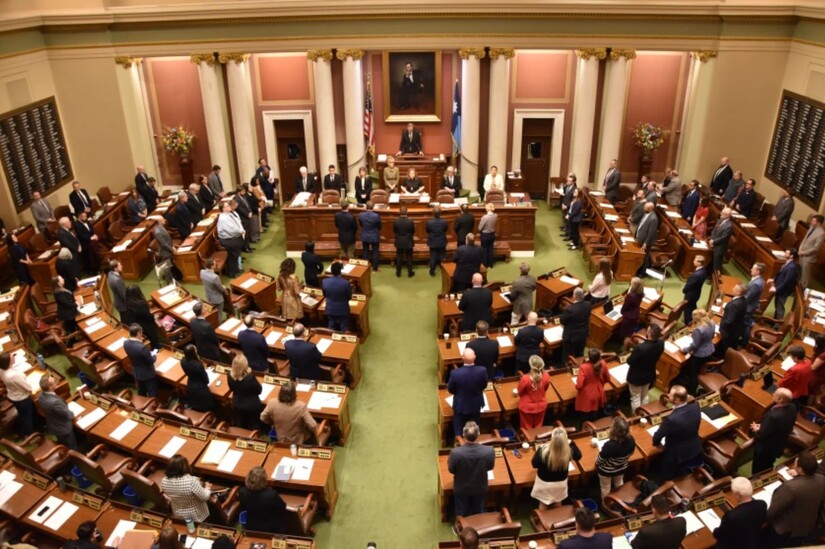
Supporters of the measure framed it as an emergency intervention designed to prevent evictions and homelessness in the wake of sudden economic disruption.
“Putting the resources that we have available toward renters who are struggling in an unprecedented crisis is good policy,” Sen. Port said during Senate debate. “Preventing evictions and homelessness is good policy.”
Under the proposal, the $40 million would be distributed to counties and tribal governments, which would administer emergency rental assistance to households facing financial hardship and potential housing instability.
Democratic lawmakers argued that the sudden drop in wages experienced by many residents during Operation Metro Surge created an immediate housing risk for thousands of Minnesota renters, particularly those already living close to the edge of affordability.
Governor Tim Walz has signaled support for the plan, aligning with Senate Democrats who argue that stabilizing housing now could prevent a larger wave of evictions later.
But Republican lawmakers largely opposed the bill, arguing the crisis was exaggerated and that the program could open the door to fraud or taxpayer support for people without legal immigration status.
House Speaker Lisa Demuth, a Republican from Cold Spring, indicated earlier in the week that her caucus does not support the proposal.
“Assistance due to people making choices to either not go to work or do other things — there is not an appetite in the House Republican caucus for that,” Demuth said.
At the heart of the proposal is an unusual funding source rooted in a landmark constitutional ruling.
The money would come from the remainder of a $109 million settlement fund created after the U.S. Supreme Court’s unanimous decision in Tyler v. Hennepin County in 2023.
In that case, the Court ruled 9–0 that Hennepin County violated the constitutional rights of homeowner Geraldine Tyler when it seized her condominium over a tax debt of about $15,000, sold the property, and kept the surplus equity.
The Court held that such actions violated the Takings Clause of the Fifth Amendment, which prohibits the government from taking private property without just compensation.
Following the ruling, Minnesota lawmakers created a compensation fund to reimburse residents whose homes had been seized under the state’s former tax-forfeiture practices.
The program initially set aside $109 million to settle potential claims.
But when the application window closed in June 2025, millions of dollars remained unclaimed.
According to Minnesota Management and Budget, between $35 million and $45 million remains in the settlement account.
Senate Democrats now propose redirecting approximately $40 million of that remaining balance to emergency rental assistance.

Supporters of the legislation say the proposal is a direct response to the economic shock caused by Operation Metro Surge, a large-scale federal immigration enforcement effort conducted across Minnesota earlier this year.
The operation reportedly deployed roughly 3,000 federal immigration agents to conduct arrests and enforcement actions.
Advocates and community leaders say the presence of federal agents created a climate of fear that kept many workers home, particularly in industries reliant on immigrant labor such as construction, food service, hospitality, and agriculture.
Lawmakers supporting the bill argue that the economic ripple effects extended beyond those directly targeted by enforcement actions.
When workers stopped reporting to jobs out of fear of detention, some businesses reduced hours or temporarily shut down operations, leading to lost wages and sudden financial instability for families already struggling with high housing costs.
Those economic disruptions, supporters say, translated quickly into missed rent payments and rising housing insecurity.
Even before the Senate acted, local governments had already begun deploying emergency resources.
Officials in Minneapolis and Saint Paul each approved approximately $1 million in emergency rental assistance to help residents impacted by Operation Metro Surge.
Local leaders described the move as a temporary measure meant to prevent immediate displacement while state lawmakers debated a broader response.
Housing advocates say the local funding, while important, represents only a fraction of the assistance potentially needed if wage disruptions continue.
Republican lawmakers argued during the nearly four-hour Senate debate that the proposal was both unnecessary and poorly targeted.
Senator Steve Drazkowski of Mazeppa described the crisis as “self-inflicted,” arguing that political messaging surrounding immigration enforcement discouraged people from going to work.
Drazkowski also used inflammatory language to describe groups that had tracked and documented immigration enforcement activity, referring to them as a “paramilitary organization.”
Observers and journalists covering those groups have generally described them instead as legal observers or community monitors documenting federal actions.
Republicans also warned that the proposed program could become vulnerable to fraud or misallocation of public funds.
Despite those objections, one Republican senator broke with his caucus.
Senator Jim Abeler of Anoka voted in favor of the bill, citing concerns about the aggressive nature of the federal enforcement operation and its broader community impacts.
Even with Senate approval, the bill’s path forward remains uncertain.
The Minnesota House is currently split 67–67 between Democrats and Republicans, meaning legislation generally requires bipartisan support to advance.
Without Republican votes in the House, the measure could stall despite support from the governor and Senate Democrats.
That legislative deadlock highlights a broader reality of Minnesota politics in 2026: even urgent policy responses can become trapped between competing narratives about responsibility, immigration, and the proper role of government.
Minnesota already faces persistent housing affordability challenges.
According to housing advocates and state data, thousands of renter households across the Twin Cities and Greater Minnesota spend more than 30 percent of their income on housing, the threshold commonly used to define housing cost burden.
Supporters of the Senate plan argue that emergency rental aid could prevent a short-term income shock from cascading into long-term displacement.
Critics counter that public funds should not be used to address economic consequences tied to federal immigration enforcement.
For renters now struggling to pay next month’s rent, the debate in St. Paul is not abstract.
It may determine whether the state intervenes to stabilize housing during a sudden economic disruption or whether families must rely on limited local programs while lawmakers remain locked in a partisan stalemate.
MinneapoliMedia
Community. Culture. Civic Life.


Sunny, with a high of 94 and low of 68 degrees. Overcast during the morning, thundery outbreaks in nearby in the afternoon, clear for the evening,