Image
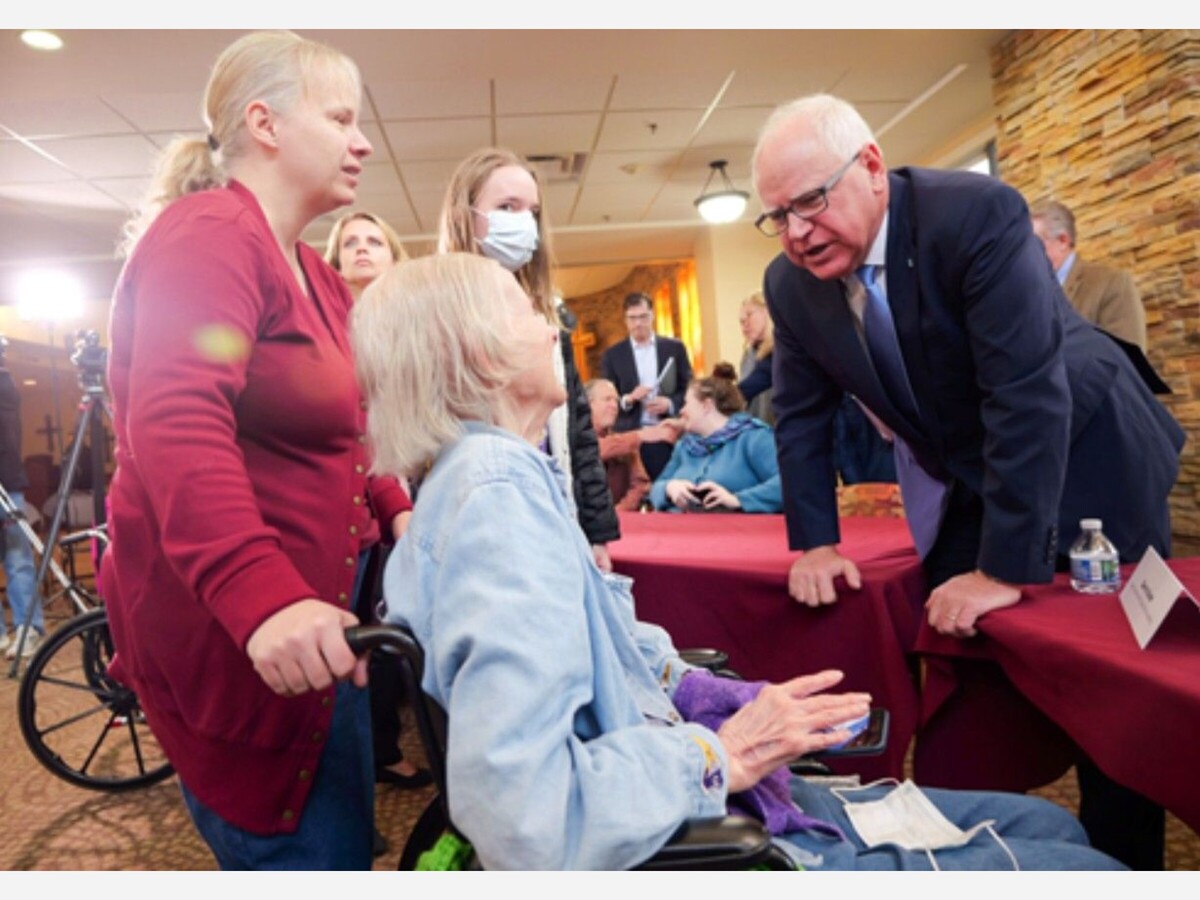



Announced March 10, the proposal would centralize control of Medical Assistance, Minnesota’s Medicaid program, by removing private insurance companies that currently manage most benefits and transferring several administrative responsibilities from counties to the state government.
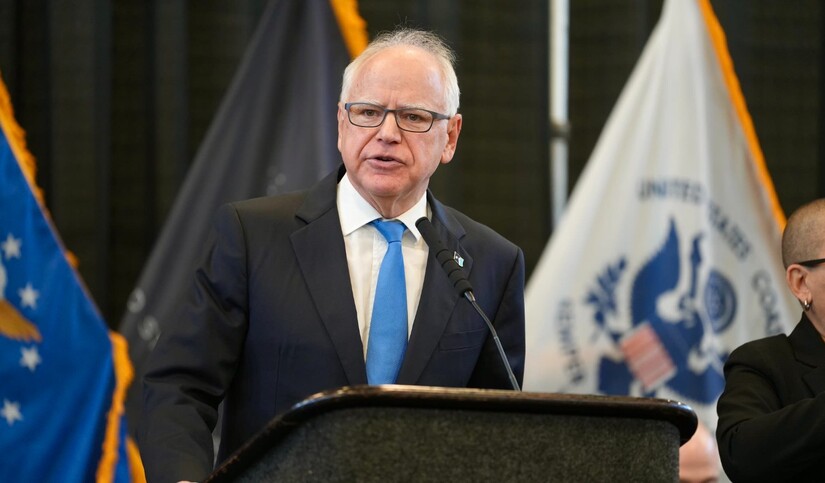
Walz said the current structure has grown overly complex after decades of policy changes, technological patchwork, and divided authority between state agencies, county governments, and private insurers.
“This system has become a Frankenstein monster,” the governor said while outlining the proposal, referring to what he described as a fragmented system that has become difficult to manage and increasingly vulnerable to fraud.
If enacted, the proposal would represent one of the most significant structural changes to Minnesota’s healthcare safety net in decades.
• Governor Walz proposes eliminating private insurers from Medicaid administration.
• Eligibility determinations would gradually shift from counties to the state.
• Technology upgrades and new fraud detection tools would be implemented.
• The proposal would require approval from the Minnesota Legislature and would unfold over several years.
Minnesota’s Medical Assistance program provides healthcare coverage to low-income families, children, seniors, and people with disabilities. The program currently serves approximately 1.2 to 1.3 million Minnesotans, representing roughly one in five residents in the state.
The program is overseen by the Minnesota Department of Human Services and funded jointly by state and federal governments through the Medicaid program.
Minnesota’s model relies on a three-part administrative structure.
Private insurance companies administer many benefits through contracts with the state. County governments determine eligibility for many applicants, particularly for long-term care programs. The state government oversees the system and sets policy.
Walz argues that this structure, while developed over many years, now makes oversight difficult and slows the state’s ability to detect improper payments.

A central element of the proposal is removing Managed Care Organizations, or MCOs, from the administration of Medicaid benefits.
Currently, roughly 80 percent of Minnesotans enrolled in Medicaid receive care through private insurers, including companies such as Blue Cross Blue Shield of Minnesota, Medica, and HealthPartners.
These insurers manage provider networks, billing systems, and care coordination for Medicaid recipients.
Under the governor’s proposal, the state would replace that structure with a single statewide Administrative Service Organization.
The system would operate more like a traditional fee-for-service model, where healthcare providers bill the state directly rather than working through private insurance plans.
Supporters of the proposal say this change would create a single set of billing rules and provider networks statewide, improving transparency and simplifying oversight.
Critics, including some insurers and lawmakers, argue that managed care systems help control healthcare costs and coordinate care for patients.

The proposal also calls for transferring responsibility for Medicaid eligibility determinations from counties to the state.
Minnesota remains one of the few states where county employees play a primary role in determining eligibility for Medicaid and certain long-term care services.
Under the governor’s plan:
• the state would begin assuming eligibility responsibilities by July 1, 2028
• the full transition from counties to the state would be completed by 2032
State officials say the goal is to create a standardized “front door” for applicants entering the Medicaid system.
Supporters say the change could reduce administrative burdens on counties and improve consistency across Minnesota.
Some county officials, however, have raised concerns that removing local involvement could eliminate valuable knowledge about community-level needs and circumstances.
Another pillar of the proposal focuses on modernizing Minnesota’s technology infrastructure for administering human services programs.
State officials have acknowledged that some computer systems used for eligibility processing and oversight date back decades.
Walz described parts of the state’s technology as “Oregon Trail-vintage,” referencing outdated software systems that limit the state’s ability to track spending and detect irregular billing patterns.
The proposal calls for:
• commissioning an independent evaluation of the Department of Human Services
• issuing a Request for Proposals to hire outside consulting expertise
• upgrading information technology systems used to administer benefits
• deploying advanced analytics tools, including artificial intelligence, to detect potential fraud in real time
State leaders say improved technology could help investigators identify suspicious claims faster and reduce improper payments.
The proposal comes during a period of heightened scrutiny of Minnesota’s social service programs following a series of high-profile fraud investigations.
Federal prosecutors have brought multiple cases involving misuse of publicly funded programs in recent years, including pandemic food assistance and addiction treatment services.
Investigators have estimated that billions of dollars may have been improperly obtained from state and federal programs since 2018, prompting calls from lawmakers in both political parties for stronger oversight and administrative reform.
The governor’s proposal is partly intended to address those concerns by strengthening monitoring systems and consolidating administrative authority.
Despite the scope of the proposal, its path through the Legislature remains uncertain.
The Minnesota House of Representatives is currently evenly divided between Republicans and members of the Democratic–Farmer–Labor Party, making major policy changes difficult to pass without bipartisan support.
Republican lawmakers have criticized the proposal, arguing that expanding the authority of the Department of Human Services could increase bureaucracy.
Private insurers and managed care organizations have also raised concerns that eliminating the managed care model could reduce competition and drive up healthcare costs.
Even some lawmakers within the governor’s own party have expressed caution.
Senator John Hoffman, a senior legislator involved in health and human services policy, has indicated that lawmakers want more discussion before major structural changes move forward.
County officials have also expressed mixed reactions, with some welcoming the possibility of reduced administrative burdens and others warning about the loss of local expertise.
As of mid-March 2026, the proposal remains in its early stages and would require approval from the Minnesota Legislature before any changes could take effect.
If lawmakers approve the plan, the transition would occur gradually over several years as the state shifts responsibilities away from counties and private insurers.
Because the current legislative session is scheduled to conclude in May, many observers believe the proposal is unlikely to advance in its current form this year.
Still, the announcement signals the beginning of what could become a broader debate about the future of Medicaid administration in Minnesota.
With more than one million residents relying on Medical Assistance for healthcare coverage, any restructuring of the system could have significant implications for patients, healthcare providers, counties, and taxpayers across the state.
If enacted, Governor Walz’s proposal could reshape how healthcare coverage is administered for the large share of Minnesotans who rely on Medical Assistance.
For patients
Most recipients would likely continue seeing the same doctors and hospitals. However, the system that processes healthcare claims and manages coverage would shift from private insurers to a centralized state-run structure.
For healthcare providers
Hospitals and clinics could see changes in billing procedures as the state standardizes payment systems and provider networks.
For counties
County governments would gradually lose their role in determining eligibility for Medicaid benefits, potentially reducing administrative workloads but also limiting local involvement in the process.
For taxpayers
Supporters say centralizing administration and upgrading technology could improve oversight and reduce fraud. Critics warn that eliminating managed care could increase costs if the state struggles to manage the system efficiently.
As lawmakers debate the proposal in the months ahead, the future structure of Minnesota’s Medicaid system may become one of the most consequential healthcare policy questions facing the state.
MinneapoliMedia
Community. Culture. Civic Life.



Overcast, with a high of 73 and low of 53 degrees. Sunny for the morning, light rain shower for the afternoon, light drizzle in the evening, overcast overnight.