Image
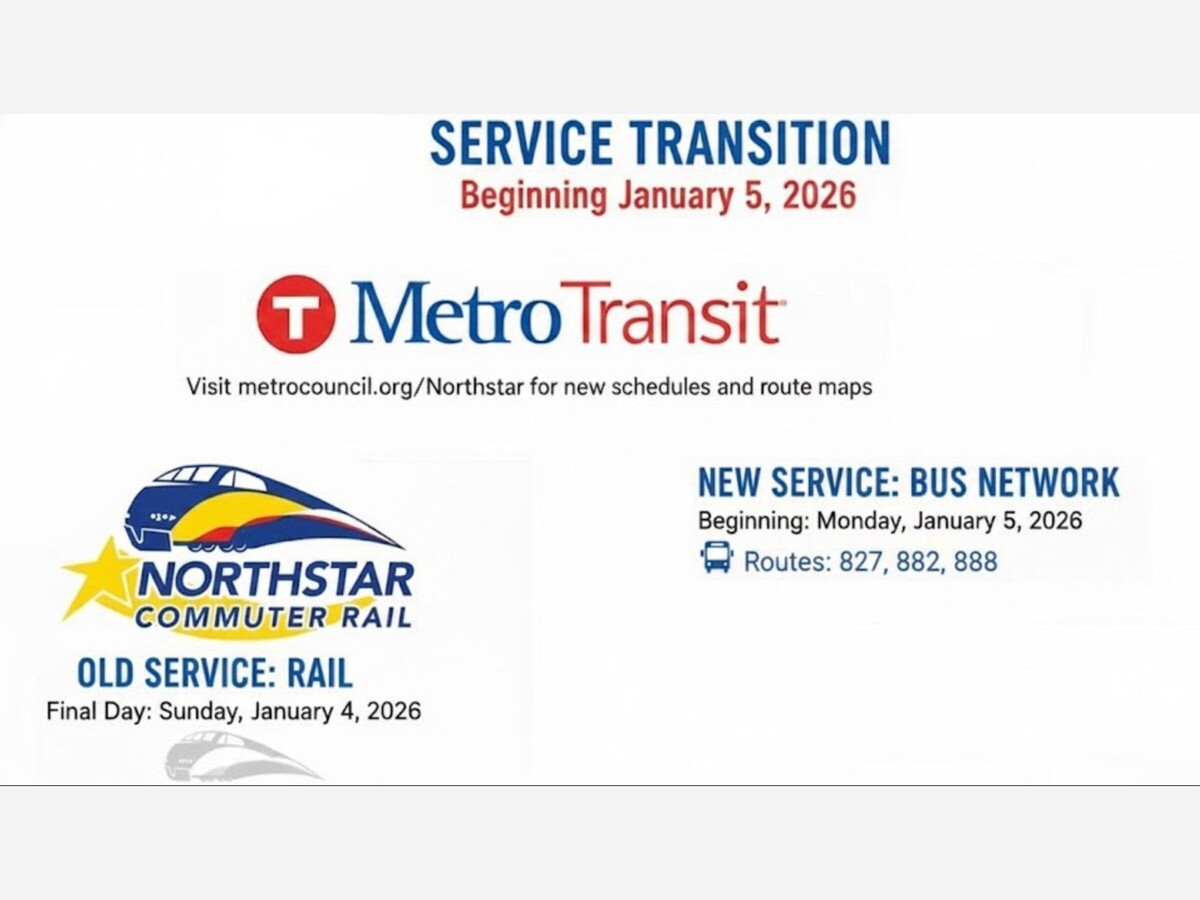



Anoka County commuters who rely on the Northstar corridor are about to experience one of the most significant transit changes in the corridor’s history, as Metro Transit and Anoka County transition the corridor from commuter rail to a dramatically expanded bus network beginning Monday, Jan. 5, 2026.
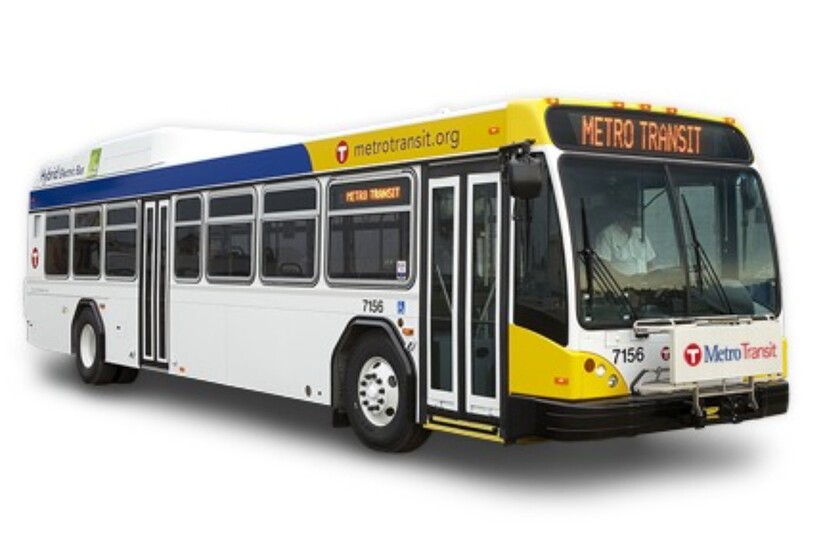
According to Metro Transit, the final day of regular Northstar Line service will be Sunday, Jan. 4, 2026, following the Minnesota Vikings’ final regular season home game. After that date, the corridor will be served primarily by buses operating between downtown Minneapolis and the Big Lake area.
Metro Transit says the shift will expand service from roughly 40 train trips per week to nearly 400 weekly bus trips. The expanded schedule is intended to reflect post pandemic commuting patterns and provide greater flexibility at a significantly lower operating cost than commuter rail.
For north metro riders, the impact is straightforward. Instead of service concentrated almost entirely around traditional peak commute windows, the new network adds frequent rush hour trips along with consistent midday, reverse commute, and weekend options.
The Northstar Line differs fundamentally from the Twin Cities light rail system. Northstar is a heavy rail commuter service that operates on freight railroad tracks and must coordinate schedules with freight rail operators. Those operational constraints limit frequency and flexibility.
Light rail, by contrast, runs on dedicated tracks controlled entirely by Metro Transit and is operated by Metro Transit rail employees, many of whom transitioned from bus operations through specialized training. Because Metro Transit controls light rail infrastructure, it can operate more frequent service throughout the day. Transportation planners have cited these structural differences as a key reason the Northstar corridor is better suited to an expanded bus model.
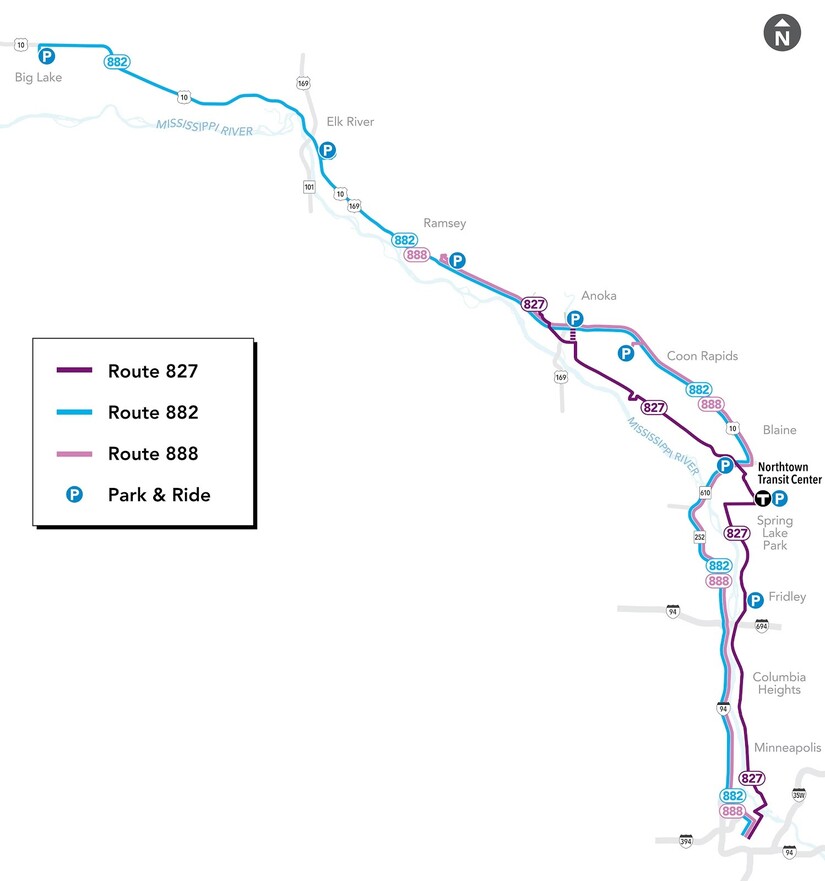
Metro Transit’s redesigned corridor service centers on three express routes. One launched earlier this winter, while two begin Jan. 5.
Route 827: Fridley to Downtown Minneapolis
Route 827 entered service on Dec. 6, 2025, replacing former Route 852. On weekdays, buses operate every 30 minutes during rush hours from 6 to 9 a.m. and 3 to 6:30 p.m., and every 60 minutes during midday hours. Saturday service runs hourly in each direction. Metro Transit notes that the Fridley stop shifts from the train station area to East River Road to better accommodate bus access.
Route 888: Ramsey, Anoka, Coon Rapids to Downtown Minneapolis
Beginning Jan. 5, Route 888 becomes the all day backbone of the corridor. Buses arrive downtown every 30 minutes during the morning rush, roughly 6:30 to 8:30 a.m., and depart downtown every 30 minutes during the afternoon rush, roughly 3 to 5 p.m. Outside peak periods, hourly service supports midday and reverse commute travel. Weekend service is included, with three trips each way on Saturdays and Sundays.
Route 882: Big Lake and Elk River to Downtown Minneapolis
Route 882 is planned as a two year weekday pilot. It will operate three southbound trips in the morning and three northbound return trips in the afternoon and evening. Metro Transit says the route will operate under an agreement with the Minnesota Department of Transportation.

Buses will continue to serve existing Northstar Park and Ride facilities in Big Lake, Elk River, Ramsey, Anoka, and Coon Rapids. Fridley is the exception, with boarding relocated to East River Road rather than the former station area.
In downtown Minneapolis, buses will primarily serve stops along Marquette Avenue. Metro Transit says this provides more direct access to the core of the business district compared to the former Target Field rail terminus.
The base cash fare for the new bus service is expected to be $3.25. Existing Northstar passes and Go To Cards will remain valid on the new routes, allowing current riders to transition without purchasing new fare products.
The service expansion is being amplified locally by Anoka County Commute Solutions, a county Transportation Management Organization created to reduce congestion and improve air quality. Established in 2004, Commute Solutions helps residents and employers navigate transit, carpooling, and telework options. The program is funded primarily through a federal Congestion Mitigation and Air Quality grant administered by the Metropolitan Council, with a local county match.
Metro Transit says the central test of the new network will be whether the increased frequency encourages riders who do not work traditional nine to five schedules to use the corridor. While daily rail service is ending, Metro Transit has indicated that limited special event rail service, such as for major Vikings games, may still be considered in the future. For day to day travel, however, the Northstar corridor is entering a new chapter defined by all day, every day bus service.
Riders can find detailed schedules, maps, and updates at metrotransit.org/northstar.


Patchy rain nearby, with a high of 85 and low of 48 degrees. Sunny in the morning, patchy light rain in area with thunder for the afternoon and evening, clear overnight.