Image
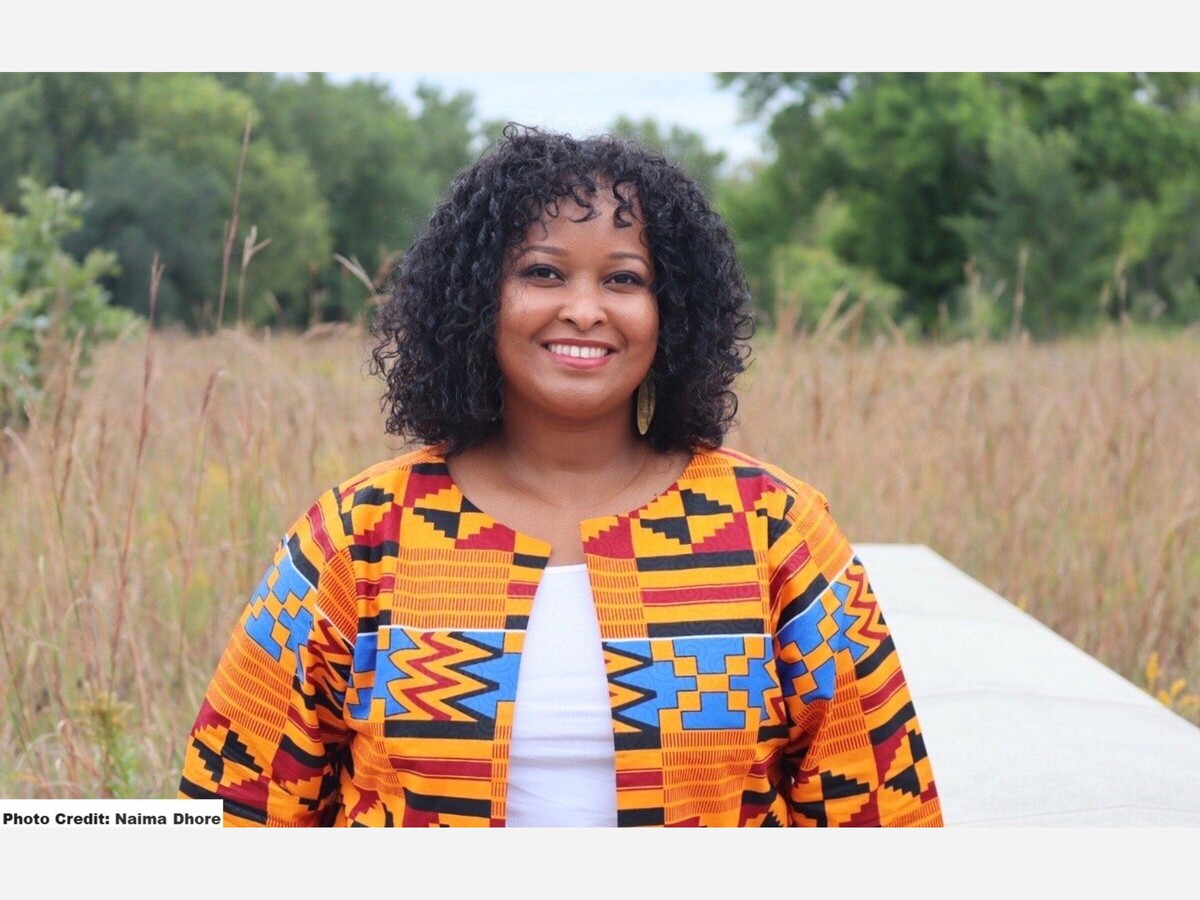



The camera flickers before it steadies.
Naima Dhore apologizes for the delay. She is in rural Minnesota, where broadband thins the farther you move from city limits, where the land opens wide but infrastructure does not always follow. She explains that she needs to stay still so the connection does not drop.
It is an unintentional metaphor for the work itself.
To farm here is to learn patience. To hold your ground. To stay present even when conditions are uncertain. To root yourself deeply enough that what you are building can endure.
“I do exist,” she says, smiling when the image finally comes through. “I’m not AI.”
What follows is not a typical interview. It is a personal reflection, offered deliberately and on her own terms.
Dhore is a sustainable organic farmer, the founder of the Somali American Farmers Association, and a Bush Fellow. But titles alone do not capture the scope of her work. She is not simply growing crops. She is restoring knowledge, building pathways, and creating spaces where land, culture, and community intersect.
Leadership, she reminds us, does not always begin in boardrooms or legislative halls.
Sometimes it begins in soil.
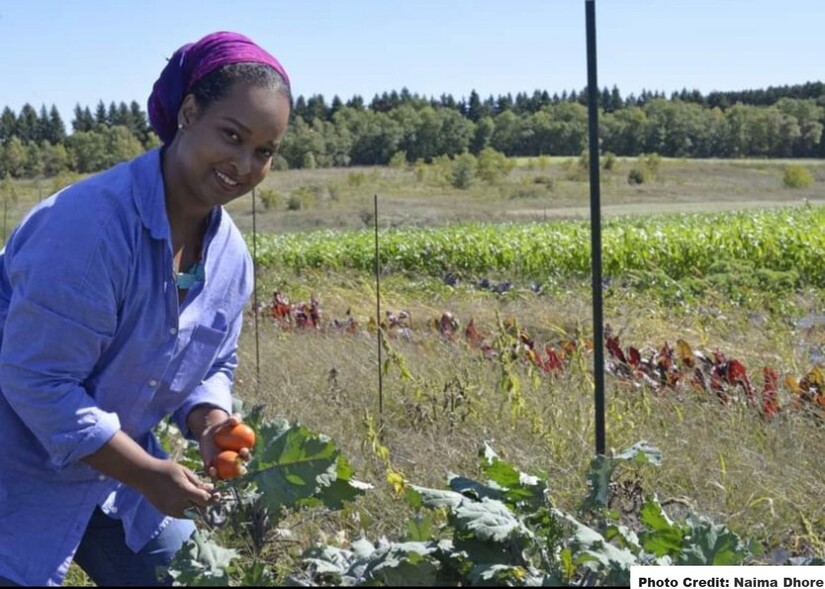
When asked about the early days of building her farm, Dhore pauses. There were hardships. There were moments when everything felt uncertain. But that is not where she chooses to begin.
“What really convinced me,” she says, “was the response from the community.”
The shock. The relief. The recognition.
“For so long, this is what we’ve done,” she says of farming. “It’s in our DNA.”
What surprised her was not the labor, but the hunger for something deeper than food. People wanted nourishment that reflected who they were. Food that carried memory. Food that felt familiar.
“Our people didn’t just need food security,” she says. “They needed food that was good for the soul.”
Growing culturally familiar crops in Minnesota, with its compressed growing season and unfamiliar climate, forced her to think expansively. It required imagination, adaptation, and trust in possibility.
“That’s when I realized this was more than growing food,” she says. “This was about preserving our ways.”
Dhore speaks of food sovereignty not as a slogan, but as an inheritance.
“It’s about preserving identity,” she explains. “How we grow food. How we cook it. How we gather.”
She remembers walking to markets as a child. Fresh food was not a luxury. It was part of everyday life. Meals were communal, intentional, and nourishing in ways that extended beyond nutrition.
In Minnesota, she has seen how access shapes choice. How families navigate trade-offs between cost, convenience, and health. How entire neighborhoods can feel disconnected from fresh food.
“For a lot of families,” Dhore says, “you’re deciding what you can afford, not what you need.”
Food sovereignty, in her telling, becomes a way to reconnect. A reason for elders to share recipes. A reason for families to gather again.
“Farming becomes collective,” she says. “It becomes culture survival.”
She smiles when she says it. The pride is unmistakable.
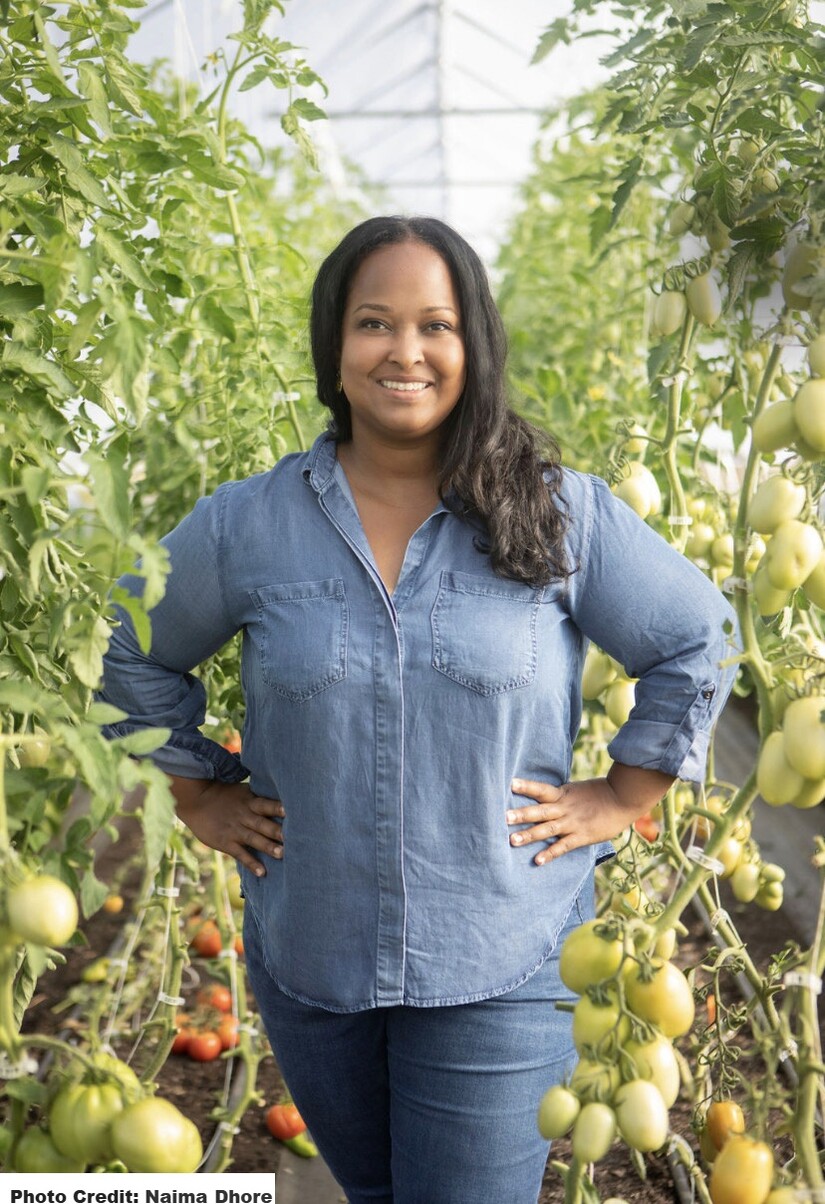
The Somali American Farmers Association was born not from a grant proposal, but from absence.
“There was no roadmap,” Dhore says. “We didn’t even know this was possible.”
What she saw was a clear gap. Immigrant and emerging farmers lacked access to land, capital, transportation, and markets. Many lived far from the systems designed to support agriculture.
SAFA became a response. A platform. A bridge.
“This was never just for Somali farmers,” she explains. “It was always for Black and brown communities, for the African diaspora.”
She speaks of abundance, not scarcity. Of value-added products. Of land that sustains people, not just profits. Of farms as places where artists, musicians, and neighbors can gather.
“We’re just getting started,” she says. “The possibilities are endless.”
When the conversation turns to land access, capital, and visibility, Dhore is direct.
“Farming is expensive,” she says. “And the system wasn’t designed with small-scale or emerging farmers in mind.”
Rather than framing herself as a casualty of that reality, she positions herself as a practitioner navigating it. Learning. Building relationships. Naming gaps. Advocating for improvement.
“When you don’t include diverse farming models,” she says, “you miss opportunities to strengthen the local food system.”
She acknowledges progress. Shifts in language. Increased recognition of small-scale operations. Growing conversations around equity and access.
“I know some people love seeing my face,” she says lightly. “And some don’t.”
She laughs, aware of the moment.
She speaks candidly about the need for better crop insurance and disaster protection, especially after losing an entire season to flooding.
“Other farmers had safety nets,” she says. “We didn’t.”
Progress exists, she notes, but farmers like her continue to play an active role in shaping what comes next.
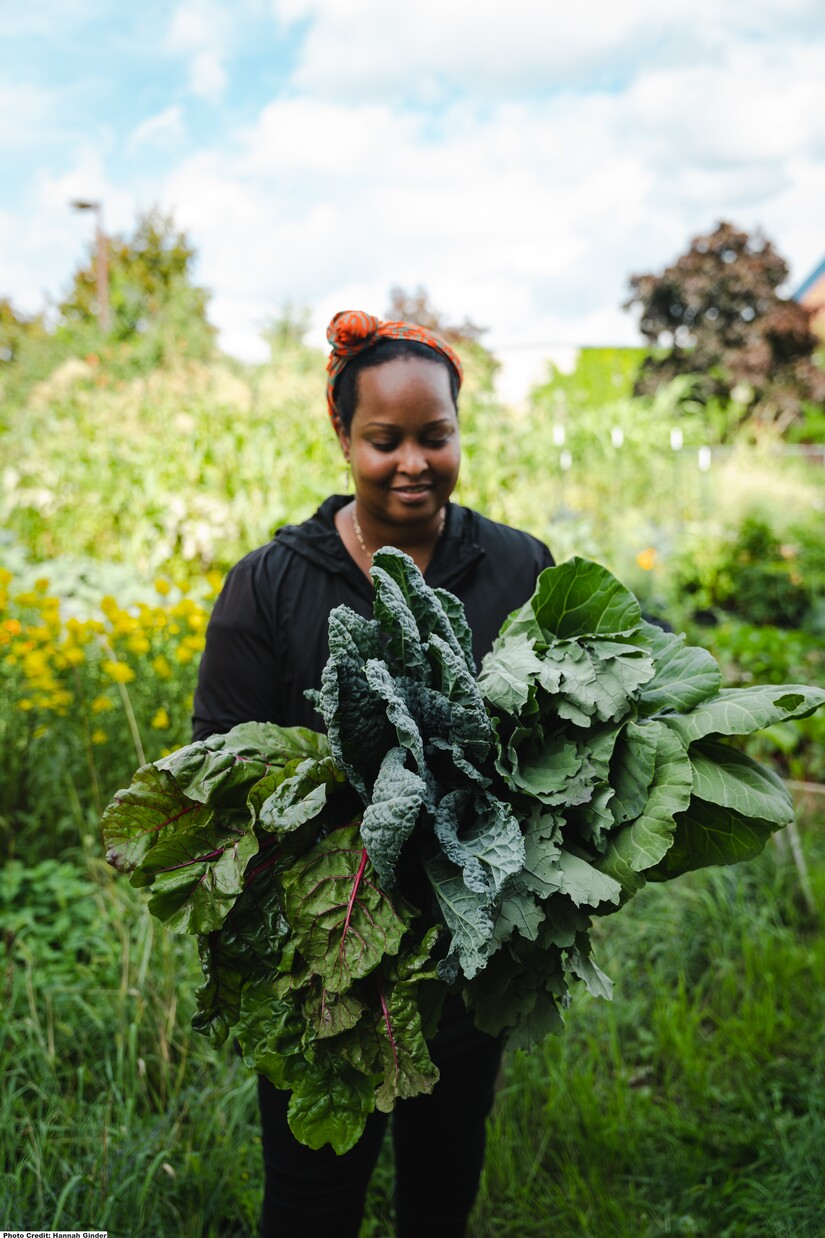
Dhore does not speak of land as something to be dominated.
“You don’t just take,” she says. “You give.”
Regenerative farming, for her, is not a trend. It is attentiveness. Listening. Repair.
“If land has been harmed,” she says, “you bring it back to life. You don’t extract more.”
She speaks of soil, insects, birds, water as interconnected.
“We are temporary,” she says quietly. “So we move with care.”
Her measure of success is simple. To rest at night knowing no harm was done.
When asked what keeps her grounded, Dhore returns to ancestry.
“This work honors those who came before us,” she says. “And it creates space for those who come after.”
Farming becomes a way to carry memory forward while adapting to place.
“We’re resilient people,” she says. “We find a way.”
Dhore’s leadership philosophy is service, integrity, and community-centered decision-making.
“It’s not about me,” she says. “If community isn’t centered, leadership means nothing.”
She considers long-term impact in every decision. On land. On people. On culture.
“The vision is bigger than myself,” she says. “Always.”
She lights up when she speaks about young people visiting the farm.
Urban youth tasting cabbage straight from the soil. Hearing birds. Seeing wildlife. Imagining land ownership for the first time.
“They didn’t want to come out here,” she laughs. “Now they’re talking about owning land.”
That shift, she says, is powerful.
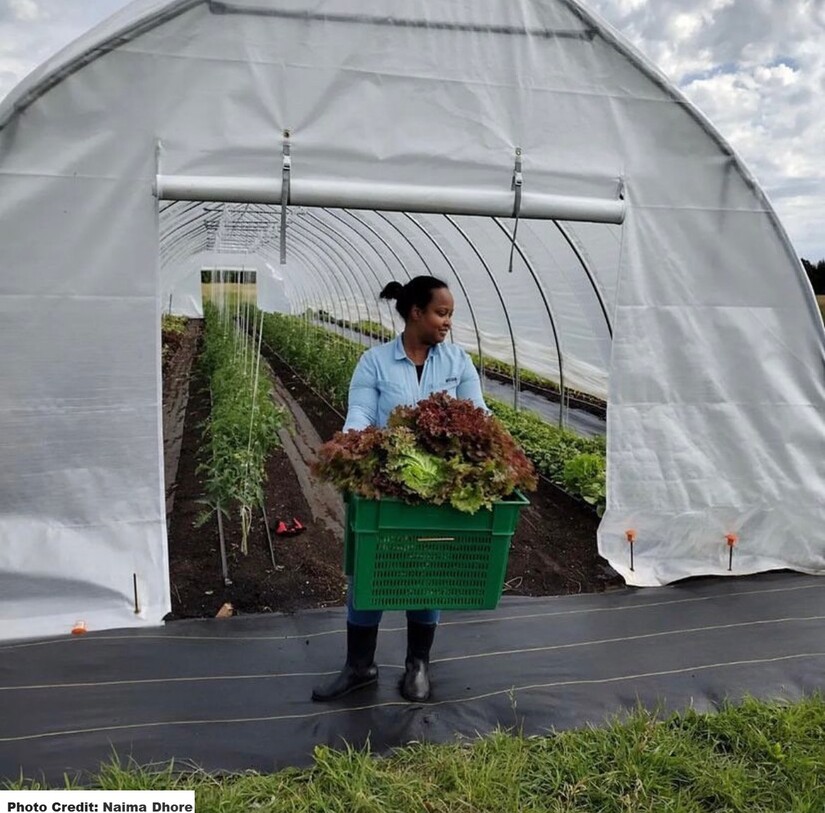
Women, Dhore reminds us, have always been central to agriculture.
“We bring a holistic approach,” she says. “Community. Sustainability. Generational thinking.”
Barriers remain. Land access. Funding. Navigating rural spaces.
“Sometimes people assume I’m in the wrong place,” she says. “I say, no. I’m here for the same reason you are.”
Showing up, she believes, is part of shaping what comes next.
When asked about legacy, Dhore does not hesitate.
“If I cracked the door open,” she says, “I want the next generation to kick it down.”
She hopes to leave behind possibility. Cultural pride. Connection.
“We didn’t think land ownership was possible,” she says. “But here we are.”
More people reach out every day asking how to begin.
“That,” she says softly, “is powerful.”
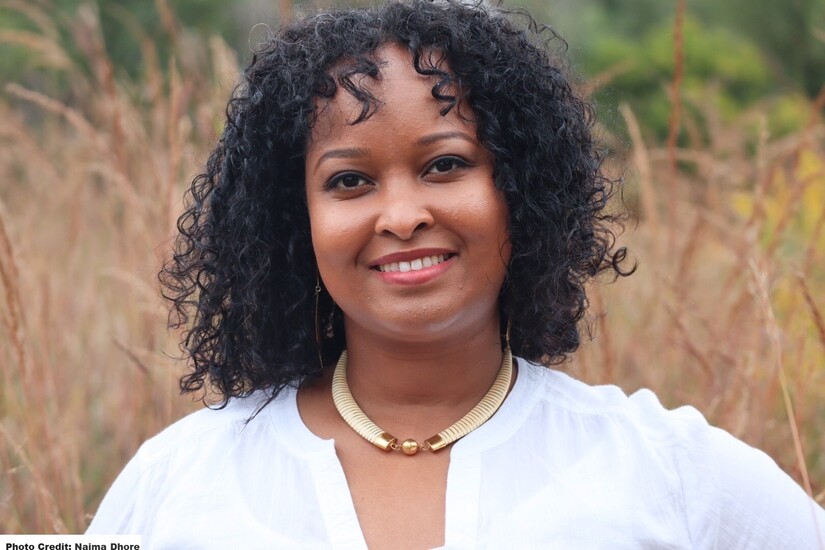
Naima Dhore’s story does not ask to be interpreted as symbol or statement. It stands as what it is. A personal account of building something meaningful, deliberately, and with care.
She grows food.
She builds pathways.
She cultivates futures.
And in doing so, she reminds us that legacy often begins quietly, with hands in the soil and a vision rooted firmly in possibility.

Sunny, with a high of 70 and low of 50 degrees. Clear for the morning, sunny during the afternoon, smoky haze during the evening, clear overnight.