50° and Overcast
Image



Background: How We Got Here
The dispute began on January 6, 2026, when the Trump Administration announced that more than $2 billion annually would be withheld from Minnesota's Medicaid funding based on vague assertions of "noncompliance" with Medicaid regulations. Minnesota appealed the noncompliance notice, which started an administrative proceeding required to be completed before any such cut could lawfully be made. On January 20, CMS promised it would provide documents necessary for the proceeding within 45 days, but then requested a 45-day extension, citing an inability to obtain the documents from senior leadership. No hearing has yet been scheduled.
Clearly impatient with its own slow pace in the administrative process, the Trump administration announced on February 25 that it would withhold $259 million in Medicaid payments owed to Minnesota, of which approximately $243 million targets the same Medicaid service areas flagged in the January announcement.
What the Lawsuit Argues
The lawsuit argues the administration violated due process procedures by taking hundreds of millions of dollars without proving Minnesota's noncompliance through discovery and an evidentiary hearing, and alleges the administration failed to provide Minnesota with details about its decision, in violation of federal law. The suit also argues the cuts violate the Fifth Amendment's due process protections, the Administrative Procedure Act's prohibition against arbitrary and capricious agency actions, and the Constitution's spending clause.
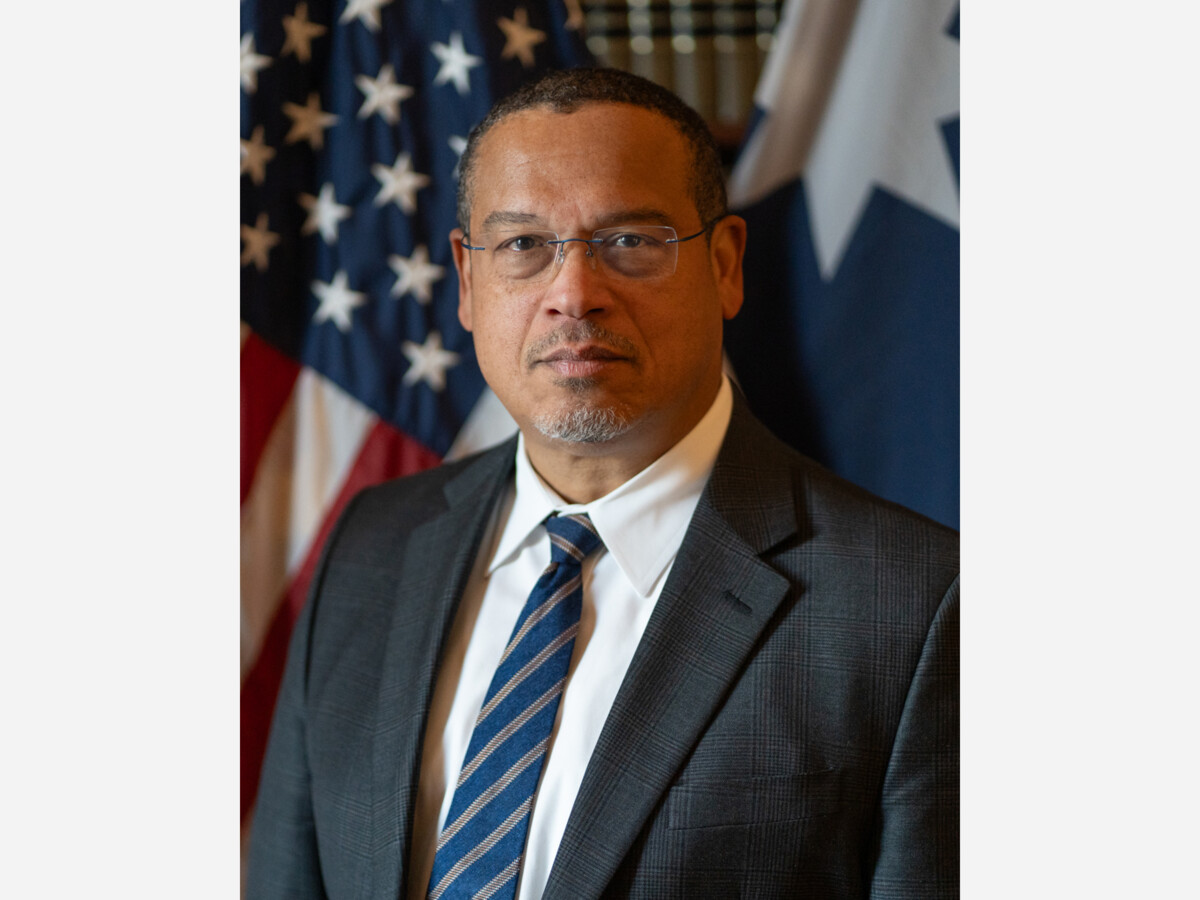
Along with the lawsuit, Ellison's office is requesting a temporary restraining order from a U.S. court in Minneapolis to immediately block the withholding. Named defendants include HHS Secretary Robert F. Kennedy Jr. and CMS Administrator Dr. Mehmet Oz in their official capacities.
What's at Stake for Minnesotans
Medicaid, known as Medical Assistance in Minnesota, provides health insurance to 1.2 million Minnesotans who would otherwise be unable to afford it. A family of four qualifies with an income at or under $42,759. The threatened cuts amount to roughly 7% of Minnesota's quarterly Medicaid funding. If allowed to take effect, Minnesota could be required to significantly scale back healthcare services for low-income families or other government services.
Ellison's Response to Fraud Claims
Ellison pushed back strongly on the administration's fraud rationale, noting his office has won more than 300 convictions and $80 million in judgments and restitutions during his tenure as Attorney General. In a statement, he said the administration's actions harm rather than help the fight against fraud, and that the cuts ultimately punish the very Minnesotans most in need of affordable healthcare.
No Federal Response Yet
The Department of Health and Human Services did not immediately return requests for comment.



Fog, with a high of 67 and low of 47 degrees. Fog for the morning, sunny in the afternoon, partly cloudy in the evening,







Ebony is a wonderful woman and amazing therapist. I am so honored to know her, and I see big things in her future for her and her beautiful family. Her company is unique and it is so much needed and a blessing to the community, and all the clients that it serves.