Image
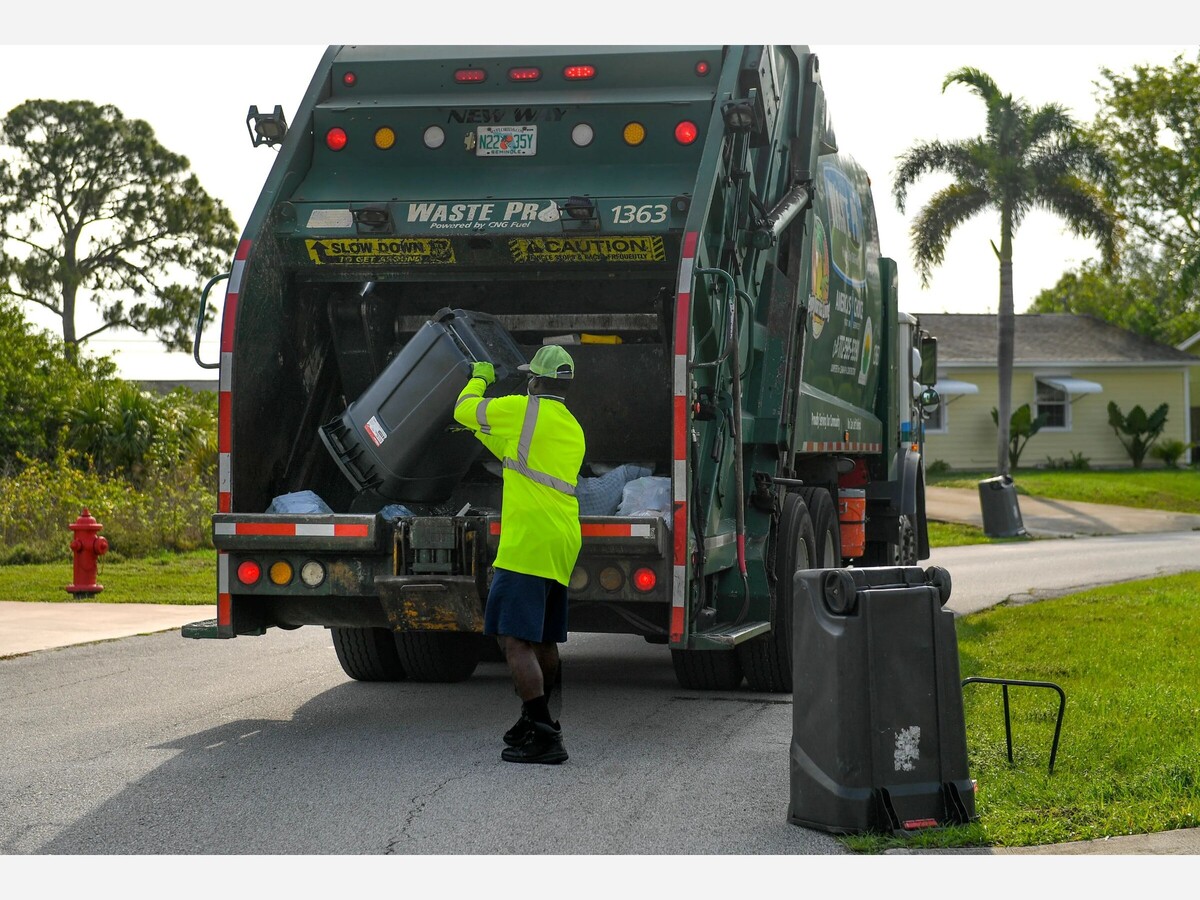



ANOKA, Minn. - A long running and politically charged debate over who controls residential trash collection in Anoka is resurfacing, despite two decisive votes by residents in 2024 affirming their right to choose a private waste hauler.
The Anoka City Council is scheduled to revisit the issue during a public meeting on Monday, January 5, 2026, at City Hall, prompting renewed concern from residents and local waste hauling companies who say the city is attempting to advance a government managed system without voter approval.
A flyer recently distributed by ACE Solid Waste, one of the city’s licensed haulers, urges residents to attend the meeting and contact city officials. The document warns that the council may again pursue an organized trash hauling model that would eliminate the current open hauling system and require all households to participate in a city administered program.
At the center of the dispute is a fundamental policy choice.
Under open hauling, Anoka’s current system, residents independently select and pay a licensed private hauler. Pricing is negotiated directly between customers and companies, and garbage service is not billed through city utilities.
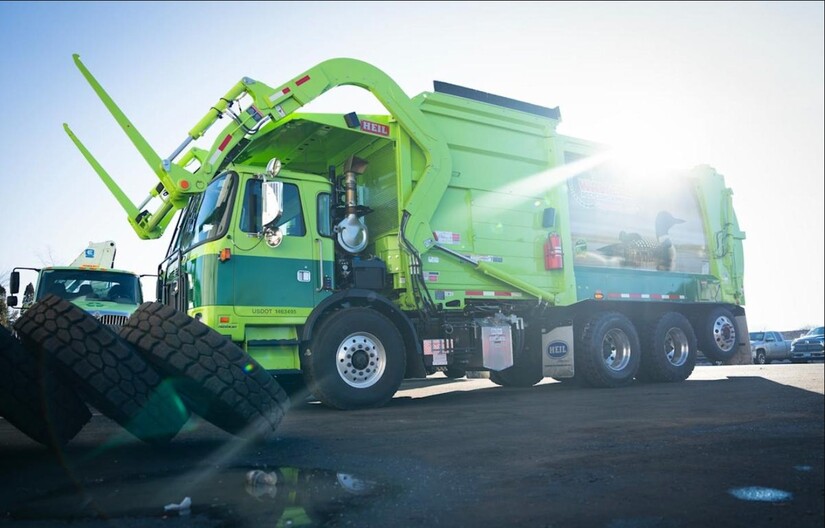
Under organized hauling, the city would select one hauler, or a limited number of haulers, to serve all residential properties. Rates would be uniform and charged through municipal utility bills, with the city overseeing service standards and administration.
Supporters of organized hauling argue that it could reduce truck traffic, lower emissions, and produce more predictable pricing. Opponents counter that it eliminates consumer choice, concentrates power in city government, and risks higher long term costs.
Public records show that Anoka voters addressed this issue twice in 2024.
On August 13, 2024, residents approved a City Charter amendment by roughly 75 percent, requiring that any move to replace the competitive garbage hauling market must first receive approval from voters in a state general election.
That requirement led to a second vote on November 5, 2024, when the city placed a ballot question asking whether residents wanted to switch to an organized hauling system. Voters rejected the proposal, opting to retain the open market structure.
Together, the two votes established a clear directive from residents to preserve private choice in trash collection.
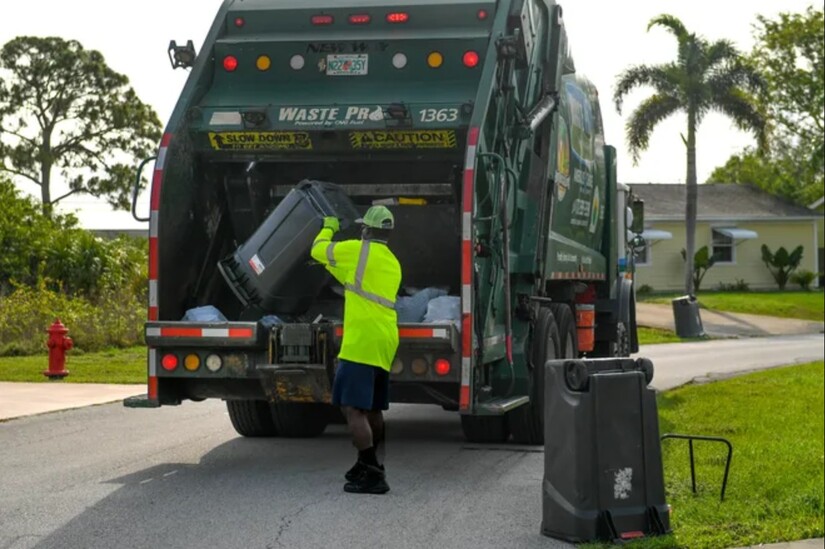
Despite those outcomes, the January 5 meeting agenda includes renewed discussion of the city’s waste hauling framework. The flyer distributed by ACE Solid Waste alleges that the City Council is exploring ways to move forward with a city managed program before seeking any additional voter approval.
Among the concerns raised:
City officials have not publicly released a detailed cost analysis tied to any renewed proposal, nor clarified how further deliberations would align with the 2024 charter amendment.
The waste hauling debate in Anoka has unfolded over several years and has included lawsuits, political action committee involvement, and sharply divided public commentary. While organized hauling has been adopted in some Minnesota cities, Anoka’s experience has been shaped by unusually strong voter engagement and explicit charter protections.
The dispute has also highlighted broader questions about local governance, including how cities balance administrative efficiency with consumer choice and how elected officials respond to direct voter mandates.
The January 5, 2026 meeting is expected to begin at 6:00 p.m. with discussions involving city officials and waste haulers, followed by a public comment period at 7:00 p.m.
For residents, the meeting represents another test of whether the City Council will honor the outcomes of the 2024 elections or continue to explore alternatives that could fundamentally reshape how basic services are delivered in Anoka.
As the city reopens the conversation, the stakes extend beyond trash collection. At issue is the role of voter authority, the limits of municipal power, and whether electoral outcomes serve as final decisions or merely waypoints in an ongoing policy struggle.


Moderate snow, with a high of 36 and low of 30 degrees. Don't forget your umbrella! Heavy freezing drizzle in the morning, moderate snow in the afternoon, overcast for the evening, patchy moderate snow overnight.