74° and Overcast



Image
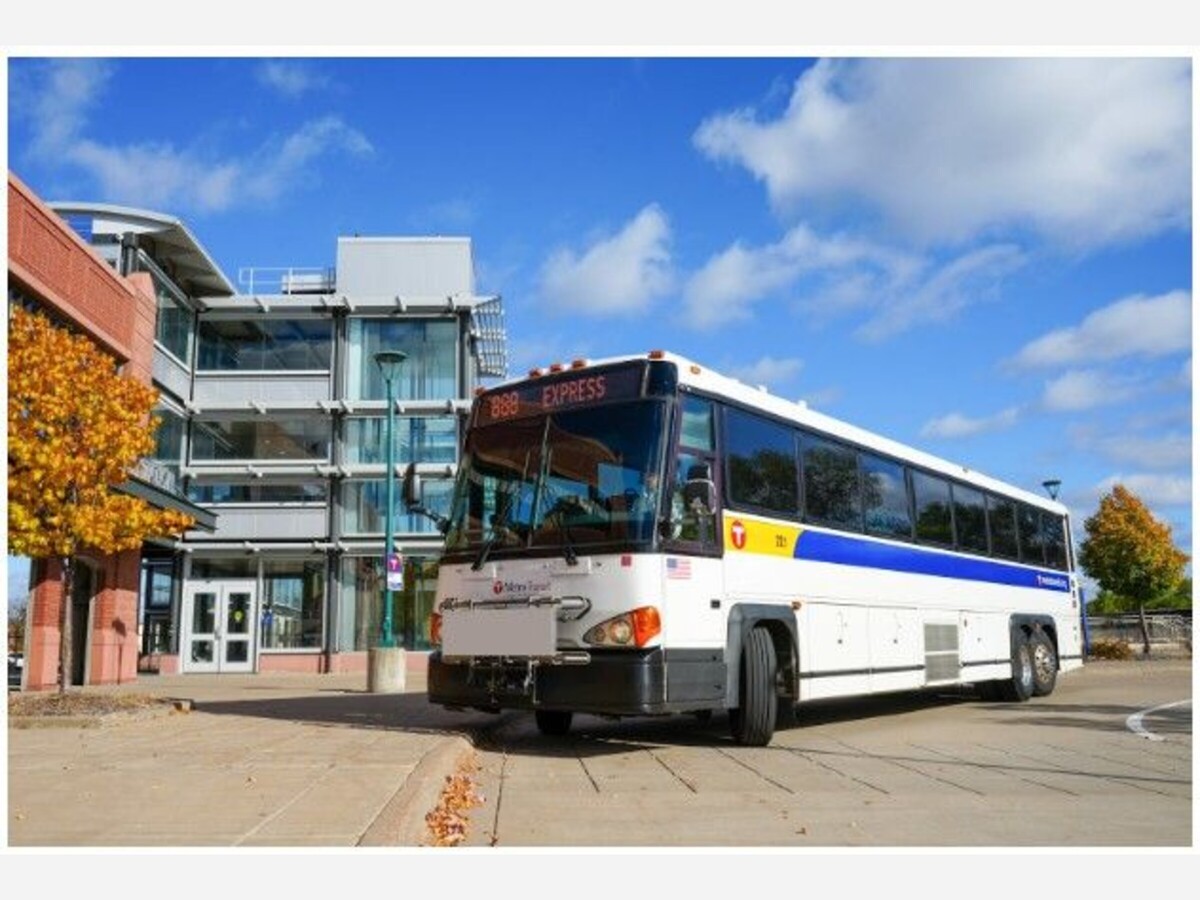
COON RAPIDS, Minn. - January 5, 2026 marks a defining moment in Minnesota’s public transportation history. The Northstar Commuter Rail, once promoted as the backbone of the north metro commute, has been permanently retired. In its place, Metro Transit, working with Anoka County Transit and Anoka County Commute Solutions, has launched a high frequency bus network designed to serve riders throughout the day, not just during peak commuting hours.
Transit officials describe the shift as a move from a commuter focused model to an all day mobility system. The new bus network is projected to deliver roughly ten times more weekly trips than the rail line provided, with expanded service during midday, evenings, and weekends.
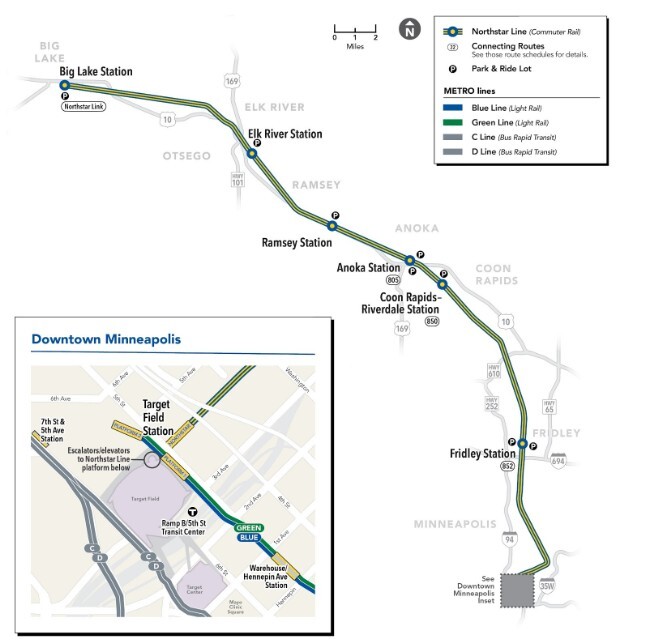
For more than a decade, Northstar connected Big Lake to downtown Minneapolis with a schedule largely limited to weekday rush hours. While ridership was strong in its early years, usage never recovered after the pandemic. By 2024, the line averaged about 430 weekday rides, down from roughly 2,600 before 2020.
Cost pressures also mounted. In 2023, Northstar cost an estimated $11.6 million to operate while bringing in approximately $320,000 in fare revenue. In contrast, the replacement bus network is projected to cost about $2 million annually.
Operational constraints further limited the rail line’s flexibility. Because the tracks are owned by BNSF Railway, Metro Transit paid significant access fees and was required to prioritize freight traffic. Those constraints made it impractical to add the midday and weekend service riders repeatedly requested.
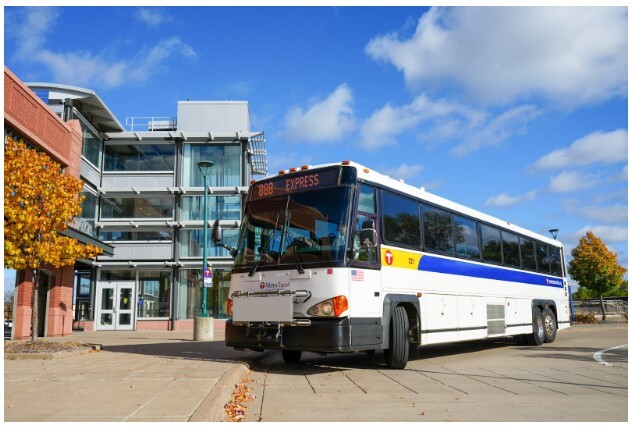
The new service replaces the train with three primary bus routes designed to provide consistent, predictable service across the north metro.
Route 888, the backbone
Route 888 replaces the core Northstar rail service for Ramsey, Anoka, and Coon Rapids. Buses run every 30 minutes during peak hours from 6:30 to 8:30 a.m. and 3:00 to 5:00 p.m., and every 60 minutes during midday and evenings. The route uses existing Northstar park and ride stations and, unlike the train, provides regular Saturday and Sunday service with three trips in each direction.
Route 827, the Fridley connection
Serving Fridley, Route 827 shifts its primary boarding location from the former rail station to East River Road. The change is intended to improve travel speed and reliability.
Route 882, Big Lake and Elk River pilot
Route 882 is a two year pilot operated by Metro Transit under an agreement with Minnesota Department of Transportation. It provides three southbound morning trips and three northbound afternoon trips on weekdays, ensuring continued weekday connectivity for Big Lake and Elk River.
Anoka County Commute Solutions says the new network reflects years of rider feedback. Residents consistently asked for more reliable travel times, additional trip options, and service beyond traditional rush hours. The redesign concentrates resources where they can serve more people, resulting in shorter waits and fewer missed connections.
The routes also allow riders to board and exit along the corridor, rather than being limited to end of line stations, increasing flexibility for work, errands, medical appointments, and social trips.
For downtown Minneapolis trips, the change brings a notable difference. While Northstar terminated at Target Field Station, the new buses drop riders directly along Marquette and Second avenues, closer to major employment centers and offices.
The base fare for the bus service is $3.25. Metro Transit has confirmed that all existing Northstar passes and Go To Cards remain valid on the new routes.
Although daily rail service has ended, Metro Transit has indicated that limited special event rail service may still be operated on a case by case basis for major events such as Minnesota Vikings games.
Local and regional officials say the transition reflects a fundamental rethink of how transit is used in the post pandemic era. Rather than focusing narrowly on moving office workers downtown twice a day, the new system is designed to support all day travel patterns across the north metro.
As Anoka County Commute Solutions assists riders in adjusting to the new routes, transit planners emphasize that feedback will continue to shape future refinements. The stated goal is straightforward but ambitious: to make public transit something people can realistically use every day, not just during rush hour.

Sunny, with a high of 58 and low of 41 degrees. Partly Cloudy in the morning, cloudy during the afternoon, overcast in the evening, clear overnight.