46° and Clear



Image
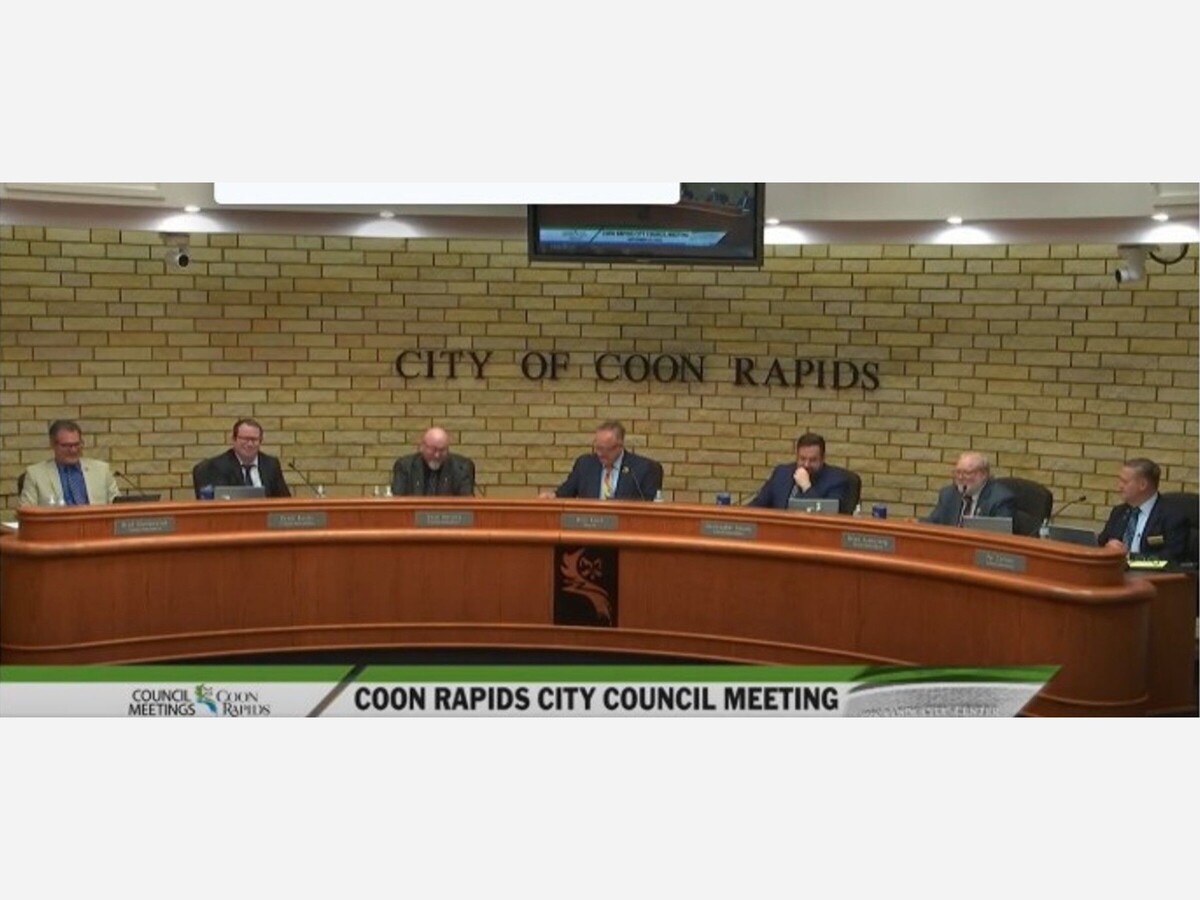
Coon Rapids moved through a full civic agenda Tuesday night, blending ceremony with consequential votes that will shape the city’s streets, workforce, housing stock, and public governance in the years ahead.
At its Feb. 17, 2026 meeting, the Coon Rapids City Council, led by Mayor Jerry Koch, administered oaths to new firefighters, approved three two-year labor agreements, advanced a multi-mile street reconstruction project into the bidding phase, amended portions of the City Charter governing petitions and referendums, and gave the green light to a 29-home development at the former Balfany Farms site on Shenandoah Boulevard.
The actions, drawn from official council proceedings and city records, reflect a municipality balancing growth, workforce stability, and public accountability.
The evening opened on a note of ceremony. Mayor Koch administered the oath of office to several new members of the Coon Rapids Fire Department, formally welcoming them into city service. The badge-pinning marked the culmination of recruitment and training efforts that city leaders say are essential to maintaining response capacity in a growing suburban community.
Following the ceremony, the council turned to the less visible but equally consequential work of labor negotiations.
The council adopted resolutions approving 2026 to 2027 labor agreements for three bargaining units:
• Firefighters
• Public Works employees
• Police Captains
According to city summaries, each agreement spans two years and includes cost-of-living adjustments and market adjustments intended to maintain competitiveness in a tight regional labor market.
For firefighters, the contract includes a 3 percent cost-of-living adjustment and a 1 percent market adjustment effective January 1, 2026. The public works agreement includes similar wage provisions, along with adjustments to standby pay and uniform allowances. The police captains’ agreement includes a 3 percent cost-of-living adjustment and a 1 percent market adjustment in 2026, followed by a 3 percent cost-of-living adjustment and a 0.5 percent market adjustment in 2027.
Such agreements typically shape not only wages but also benefits, scheduling structures, and retention incentives, all of which influence municipal budgets and service continuity.
If labor agreements represent internal stability, the city’s street reconstruction project represents visible investment.
The council adopted resolutions ordering the 2026 street reconstruction project, identified in city engineering documents as Project 26-1. The action also approved detailed plans and specifications and authorized staff to advertise for construction bids.
The scope covers approximately four miles of residential streets across multiple neighborhoods. According to city records, the project includes full pavement reclamation and replacement with two new layers of bituminous pavement, curb and gutter repairs, ADA-compliant sidewalk and curb ramp upgrades, targeted storm and sanitary sewer repairs, and water main replacements in most project areas. City-owned streetlights are also slated for LED upgrades.
The project affects hundreds of properties. Assessment documents list nearly 400 single-family homes, along with townhomes, twin homes, and commercial parcels proposed for reconstruction assessments under rates previously approved by the council in late 2025.
For residents, the project means months of construction disruption. For the city, it represents long-term asset preservation, infrastructure reliability, and compliance with modern accessibility standards.
In a quieter but structurally important vote, the council adopted an ordinance amending Sections 1-505 and 1-511 of the Coon Rapids City Charter.
The amendments update procedures related to citizen petitions and referendums. According to the city attorney’s memo, the changes align local charter language with Minnesota election rules requiring petition forms to include a signer’s year of birth as part of voter verification.
The amendment was previously recommended unanimously by the Charter Commission and followed a public hearing earlier in February at which no comments were recorded.
While procedural in nature, charter amendments carry long-term implications. Petition and referendum rules define how residents can bring initiatives forward and challenge council decisions, making the structure of those rules central to local democratic access.
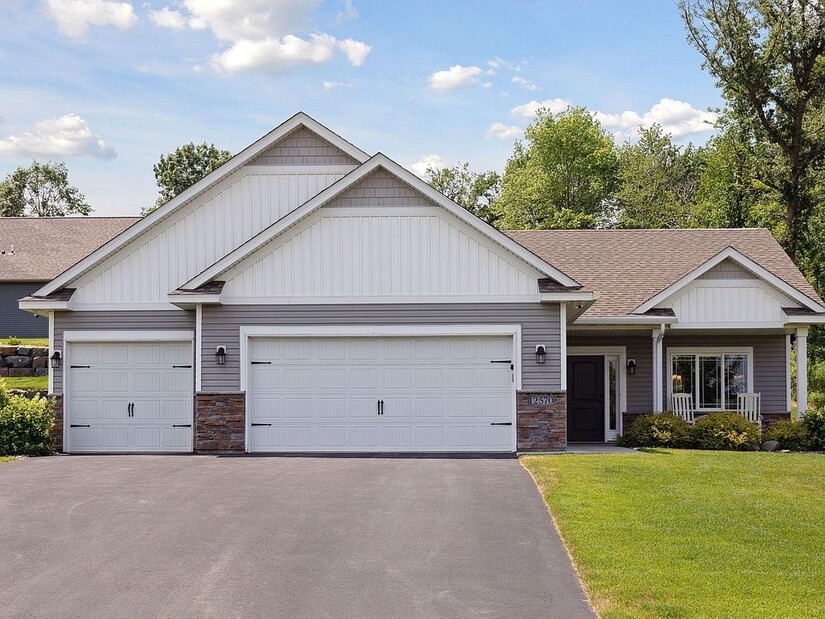
One of the most closely watched items of the evening involved land use at 12301 Shenandoah Boulevard, the former Balfany Farms property.
The council approved a Planned Unit Development and preliminary plat for a 29-unit single-family residential development.
The site spans approximately 30 acres and has been under review since late 2025. According to city planning documents, development will be concentrated in the southern portion of the property, with the northern acreage remaining largely undisturbed.
Because part of the site contains low, wet ground, plans include substantial grading and the creation of a lake-style water feature through excavation. A separate stormwater pond will be dedicated to the city. The project also includes a planned trail connection toward Cardinal Woods Park.
City staff materials indicate the development is expected to generate roughly 290 daily vehicle trips, a level below the city’s threshold for requiring a formal traffic study. Earlier deliberations included discussion of traffic sightlines and density, and the item had been tabled at a previous meeting before returning for final approval on Feb. 17.
With the vote, the project moves into final design and permitting.
In the meeting’s public forum follow-up segment, Mayor Koch read a formal response to concerns raised during an earlier open mic session regarding federal law enforcement activity in the city.
The response, prepared by City Manager Matt Stemwedel, explained that Immigration and Customs Enforcement does not routinely notify local police of its operations. City officials estimated that 15 to 20 federal enforcement activities had been observed or reported in recent weeks, none of which required direct intervention by Coon Rapids police.
The written response also referenced publicly available enforcement FAQs and guidance materials for residents seeking clarity about jurisdictional roles.
The exchange reflects a broader shift in 2026 toward increased transparency in council proceedings, including the televising and formal recording of public forum responses.
Taken together, the Feb. 17 meeting offers a snapshot of suburban governance at work.
There were no dramatic showdowns. No late-night stalemates.
Instead, there was the methodical cadence of local government:
• New firefighters sworn into service
• Union contracts ratified
• Asphalt scheduled for replacement
• Charter language refined
• Homes approved
• Questions answered
In Coon Rapids, civic life moves not only in headlines but in resolutions, plats, assessments, and amendments. On Tuesday night, those instruments shaped the next chapter of the city’s streets, workforce, and neighborhood


Sunny, with a high of 73 and low of 46 degrees. Sunny in the morning, clear overnight.