64° and Clear
Image
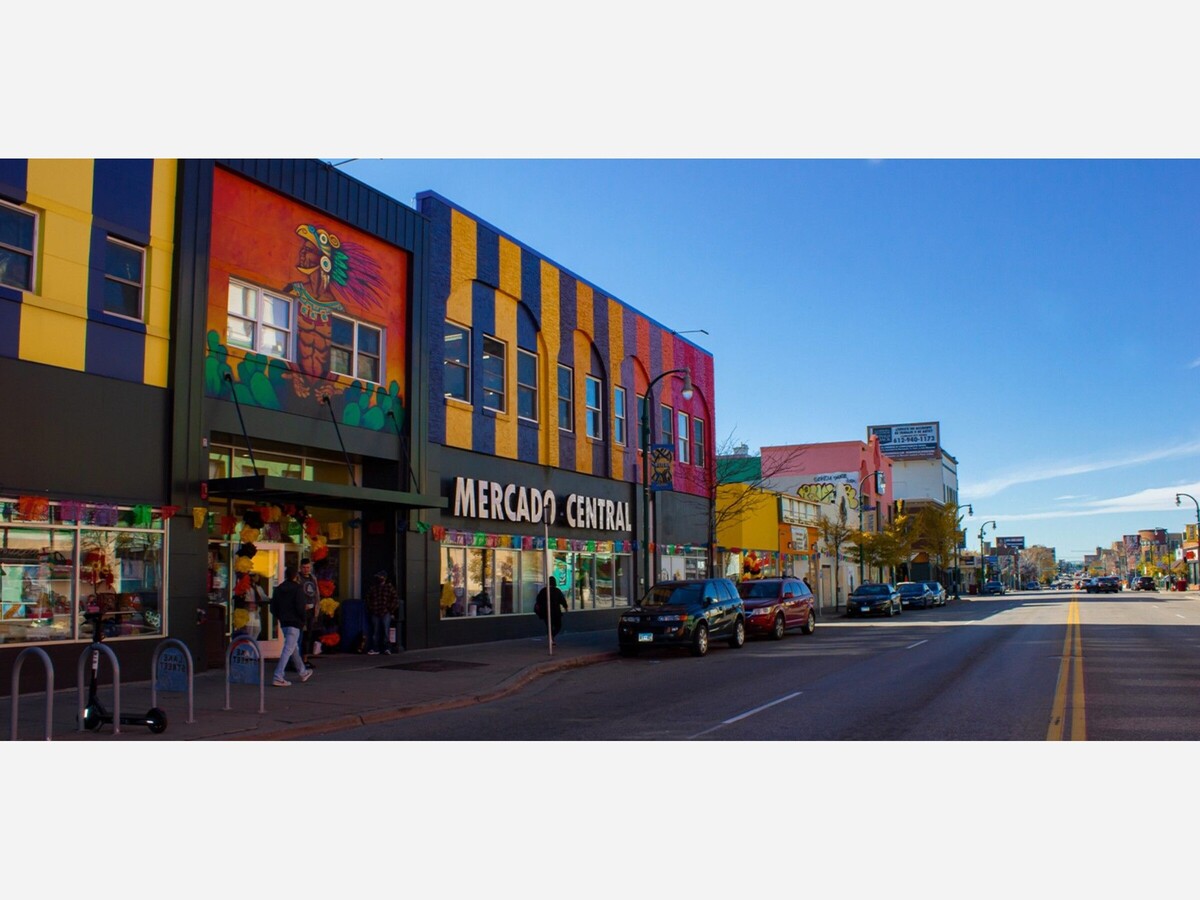



In the long winter shadow of federal immigration raids and shuttered storefronts, tenant organizers in Minneapolis and St. Paul are calling for what could become one of the largest coordinated rent strikes in modern state history.
The Twin Cities Tenant Union, working alongside a coalition of labor unions, has announced plans for a statewide rent strike beginning March 1, 2026, urging renters to withhold payment until state leaders enact an eviction moratorium and allocate emergency rent relief funds.
At the center of the dispute is Operation Metro Surge, a large-scale federal immigration enforcement initiative that began in December 2025 and brought an unprecedented federal presence to the Minneapolis–St. Paul metro area.
Tenant leaders argue the operation triggered a cascading economic crisis: workers afraid to report to job sites, restaurants and small businesses losing customers, and households falling behind on rent. They say the only way to prevent mass displacement is immediate state intervention.
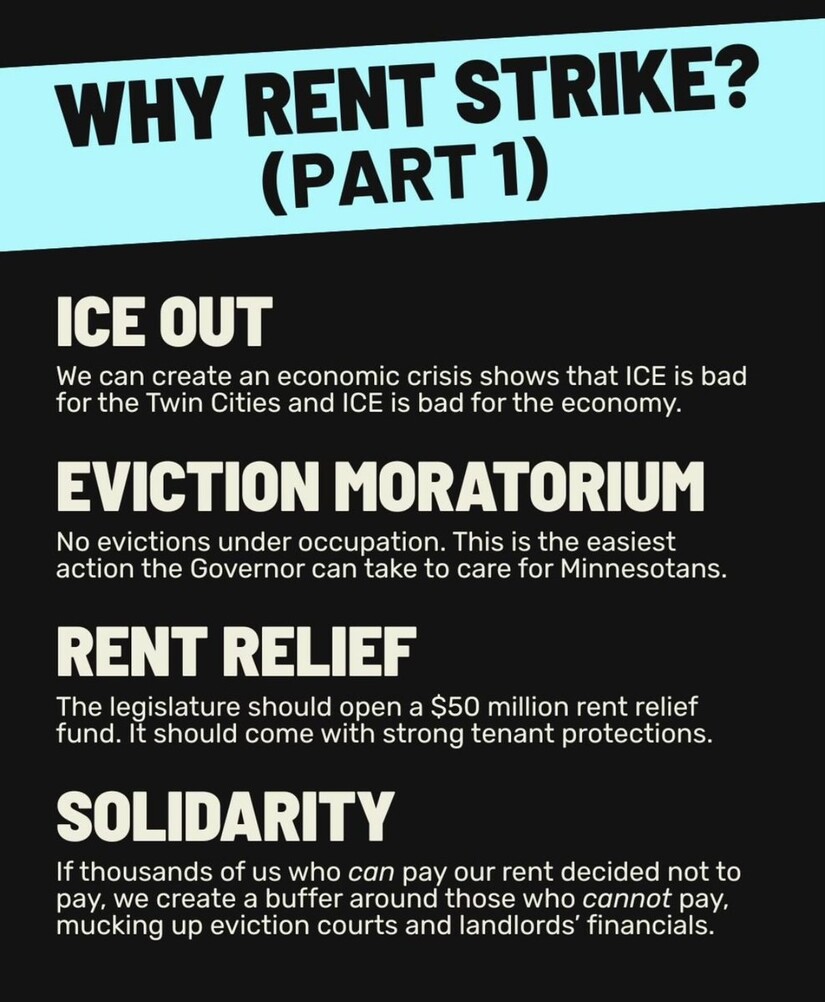
Organizers are calling on Tim Walz to take two primary actions:
• Immediate statewide eviction moratorium, freezing all eviction filings
• $50 million in emergency rent relief, specifically targeted to cover debt incurred during the federal operation
Tenant advocates describe the moment as a “protection crisis,” arguing that housing stability has become collateral damage in a federal enforcement campaign.
A February 2026 analysis by the University of Minnesota Center for Urban and Regional Affairs estimates that Minnesota renters accumulated between $27.4 million and $51.3 million in excess rent debt during January and February alone as a direct consequence of Operation Metro Surge.
That figure sits atop what researchers describe as a baseline $44.6 million in typical two-month rental debt statewide, meaning total arrears could exceed $90 million.
The CURA analysis links the surge-related debt to:
• Missed work shifts
• Reduced hours
• Wage disruptions
• Household earners detained or deported
Separate reporting has documented broader economic shockwaves. Coverage from national outlets described more than 2,700 federal agents deployed to Minnesota during the operation, creating what business owners characterized as a climate of fear and suppressed commerce.
According to local impact assessments cited by tenant organizers:
• $47 million in estimated lost wages
• $81 million in revenue losses for Minneapolis small businesses in January 2026 alone
Whether those figures hold under long-term review remains under scrutiny, but few dispute that certain commercial corridors experienced measurable contraction.
The Twin Cities Tenant Union is coordinating with five labor unions representing approximately 26,000 workers, including:
• SEIU Local 26
• UNITE HERE Local 17
• Communications Workers of America Local 7250
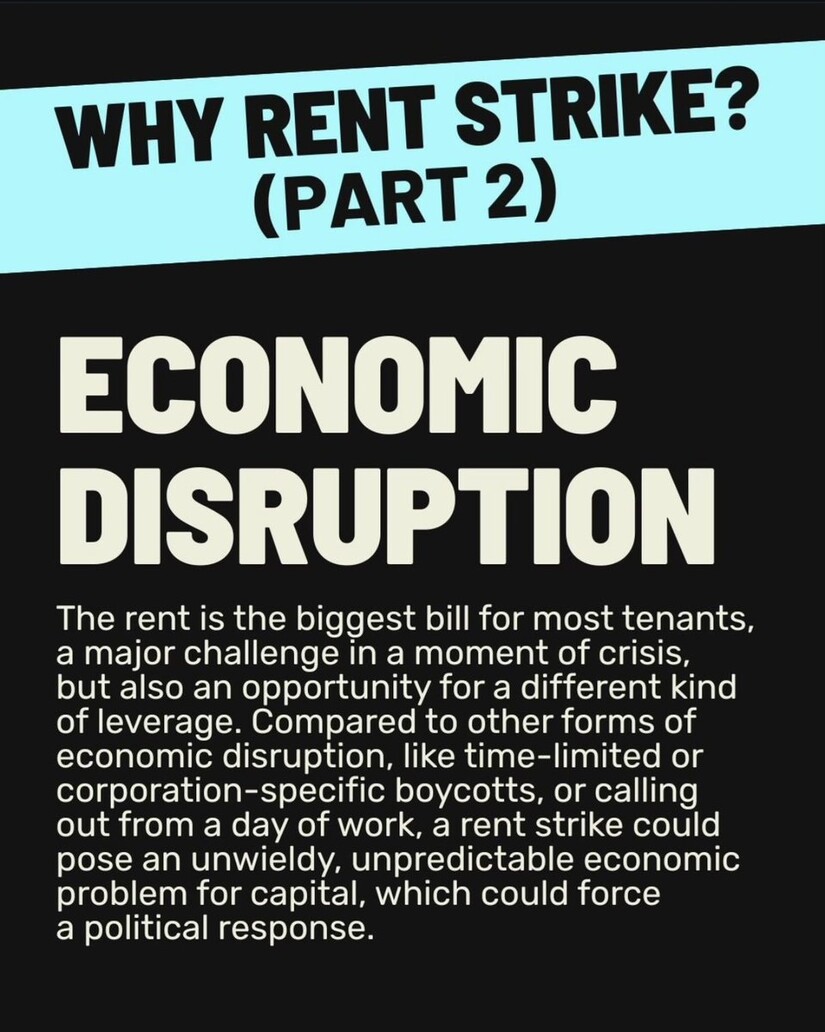
Organizers argue that if 10,000 renters withhold rent, it could generate an estimated $15 million monthly disruption, applying pressure on both property owners and policymakers.
If realized at that scale, tenant advocates say it would be the largest coordinated rent strike in Minnesota history and potentially the largest in the United States in over a century.
Housing law experts note, however, that rent strikes carry significant legal risks. Without statutory protection, tenants who withhold payment could face late fees, lease termination notices, or eviction filings.
Governor Walz’s office has indicated that he does not currently possess unilateral authority to impose a new eviction moratorium absent a declared peacetime emergency, similar to the executive powers used during the COVID-19 pandemic.
Meanwhile, the Minneapolis City Council and the Saint Paul City Council have each passed unanimous resolutions urging state leadership to pursue protective action. Some council members have publicly pledged solidarity with striking tenants.
Landlord groups, including representatives of the Minnesota Multi Housing Association, have cautioned against widespread nonpayment and urged tenants to seek rental assistance or negotiate payment plans directly with property managers.
Operation Metro Surge has begun winding down, according to federal officials. But for thousands of renters, the economic aftershocks remain.
The March 1 deadline now looms as a test of political will, tenant solidarity, and the limits of executive authority.
If only a few hundred tenants participate, the strike may fade quietly.
If thousands join, Minnesota could enter uncharted housing territory.
For families already calculating whether groceries, utilities, or rent comes first, the question is no longer abstract.
It is immediate.



Patchy rain nearby, with a high of 94 and low of 63 degrees. Sunny in the morning, patchy rain nearby in the afternoon and evening, clear overnight.